1
Что сделать в ноябре: защита посадок и ревизия участка
Защищаем озимые и многолетники, проверяем укрытия и готовим план зимних работ.
Read →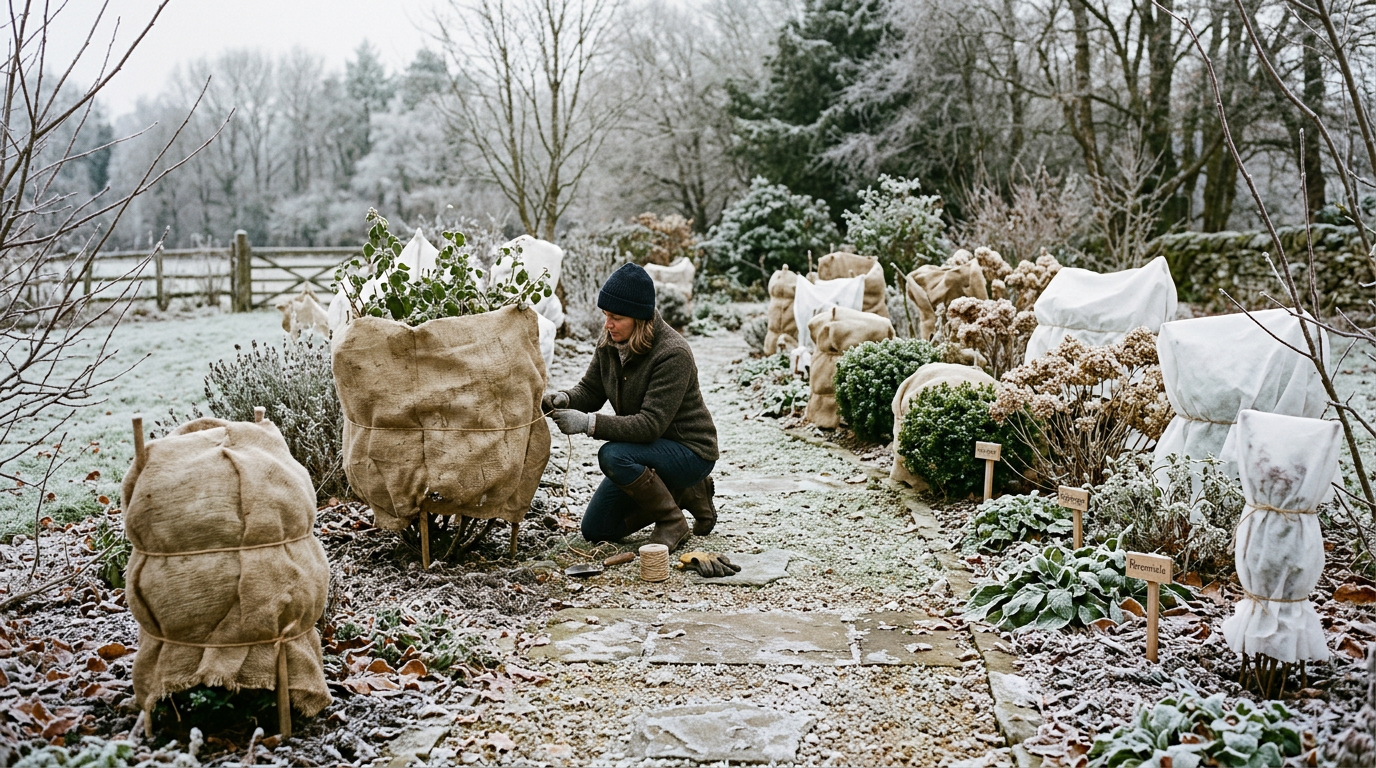
Regular reviews, instructions and analysis on garden crops.
Works of the month
Защищаем озимые и многолетники, проверяем укрытия и готовим план зимних работ.
Read →Какие культуры дружат между собой, а какие лучше не сажать рядом, чтобы не терять урожай.
Read →
October is the last month your garden will absorb your care and store energy for spring. Do it right now and the new season will open free of disease, frost-killed roots, and gnawed bark. Six steps — and your garden will head into winter well protected.
Read →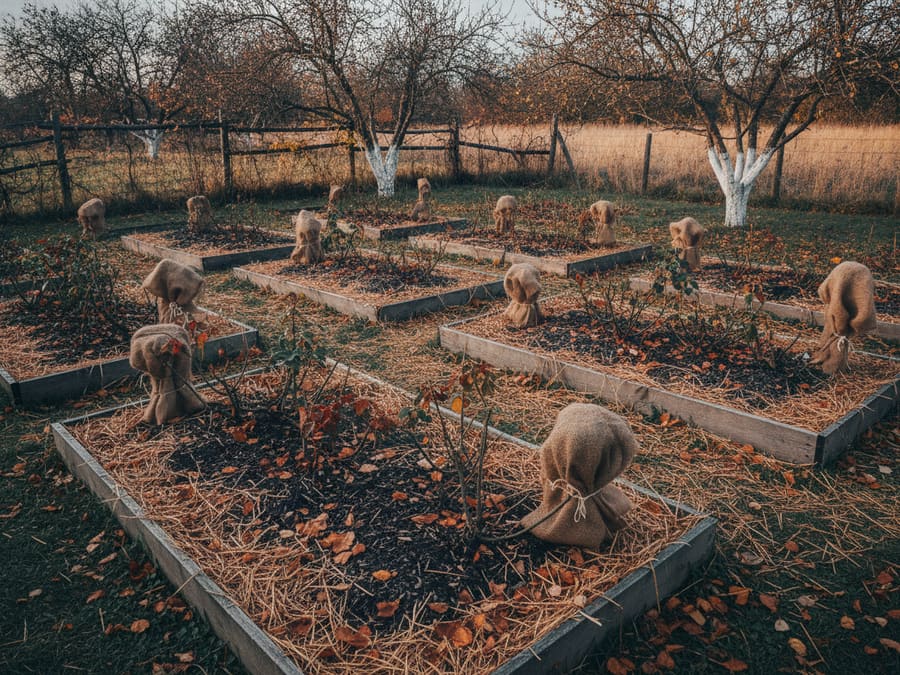
Selection by month
Select a month - we will show you articles that are convenient to do right now.
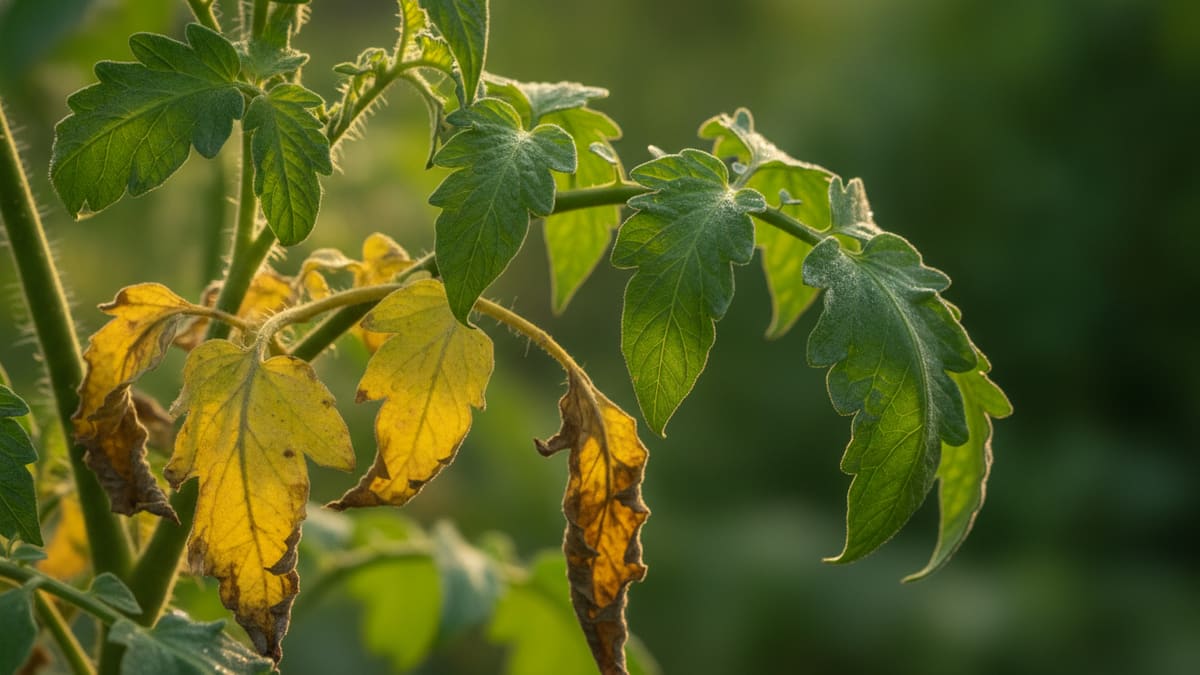
A yellow leaf is a symptom, not a diagnosis. Before reaching for fertilizer or fungicide, take a moment to read the full picture: which leaves are yellowing, where it starts, and whether there is a pattern along the veins. Five minutes of careful observation can save both money and your harvest.
Read →October is the last month your garden will absorb your care and store energy for spring. Do it right now and the new season will open free of disease, frost-killed roots, and gnawed bark. Six steps — and your garden will head into winter well protected.
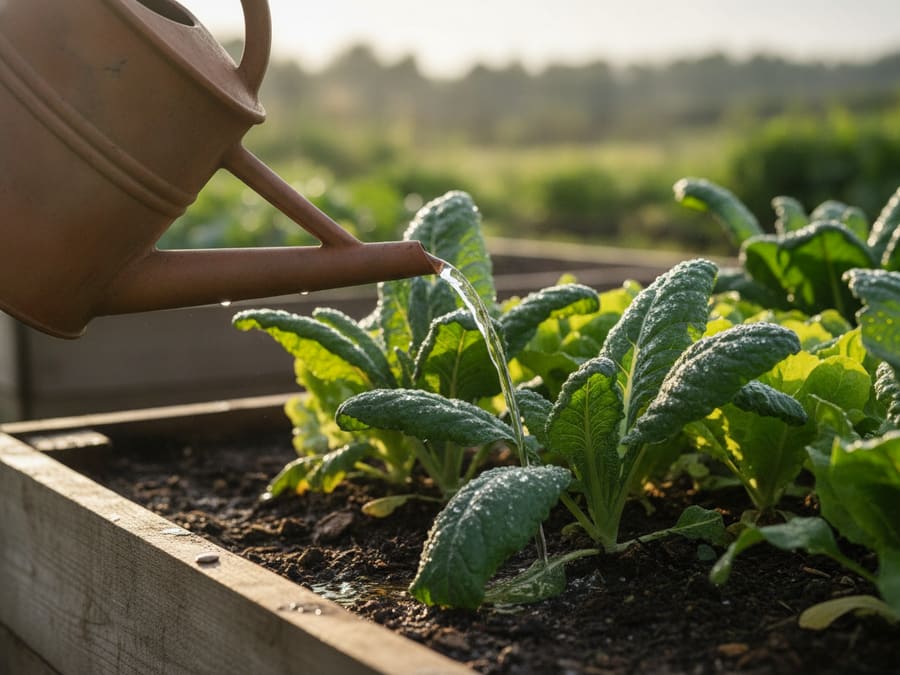
Read →Watering is one of those tasks where more is definitely not better. Wrong timing and technique lead to disease, shallow root systems, and poor harvests. Here is when, how much, and how to water so your plants get exactly what they need — nothing more, nothing less.
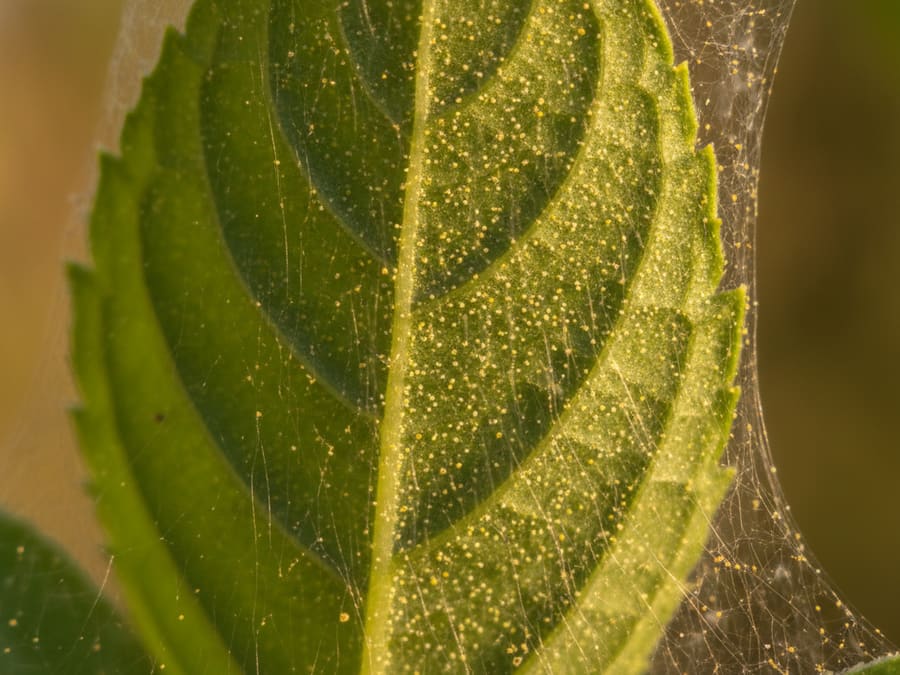
Read →Pale speckles on cucumber leaves and a barely visible silvery webbing in the leaf axils — these are the telltale signs of spider mites. This 0.3–0.5 mm pest thrives in heat and dry air, making greenhouses and indoor windowsills especially vulnerable during July and August. The earlier you catch it, the easier it is to deal with.
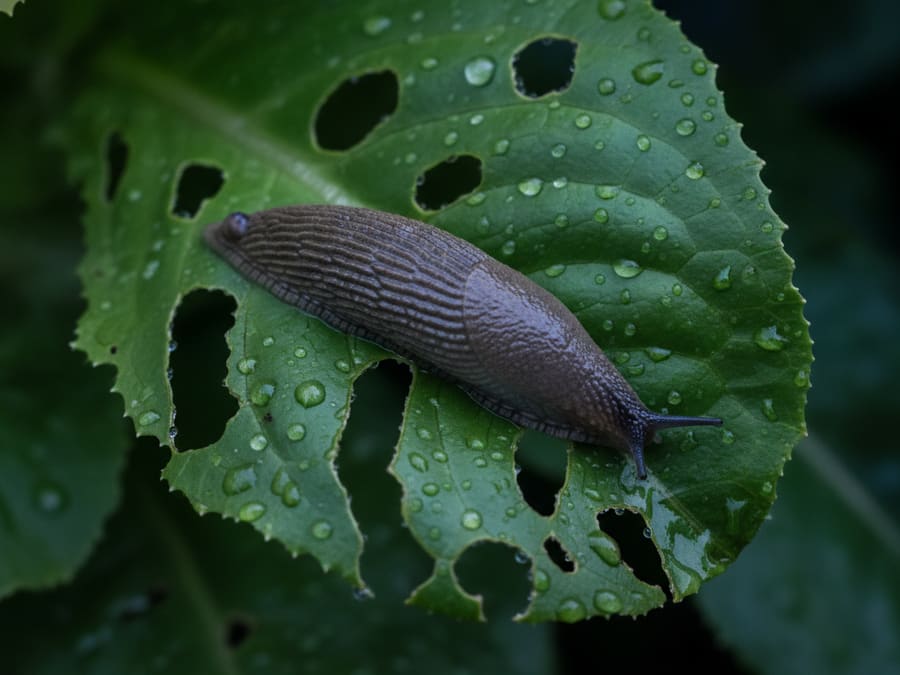
Read →Found ragged holes in your lettuce, cabbage, or strawberry leaves in the morning with no culprit in sight? They've almost certainly hidden away — slugs and snails do their damage at night or during wet weather. Here's how to trap them, deter them, and protect your harvest without resorting to chemicals.
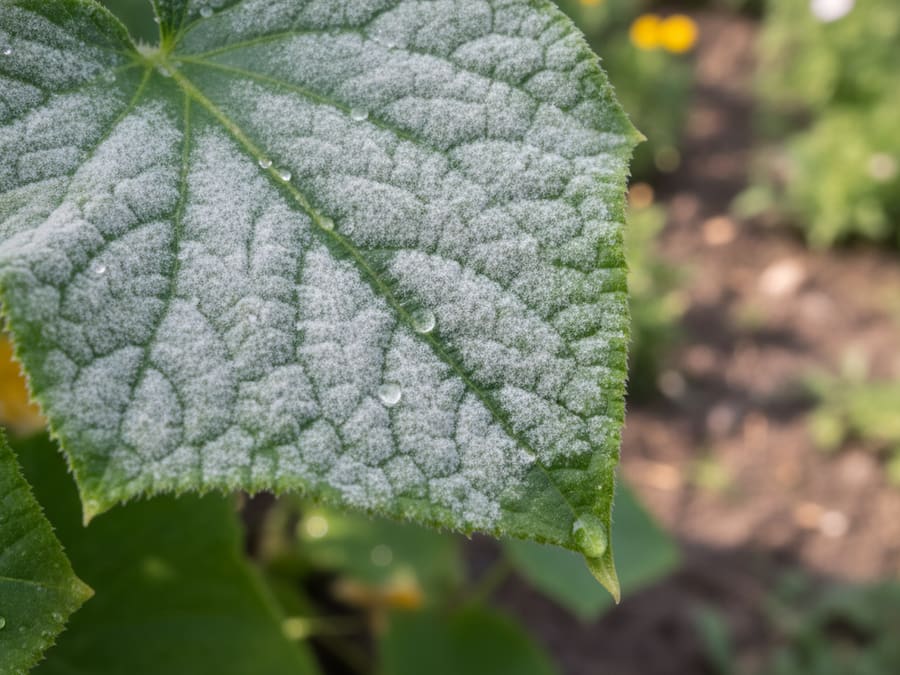
Read →A white powdery coating on cucumber, zucchini, or rose leaves is the unmistakable first sign of powdery mildew, one of the most common fungal diseases in the garden. The fungus overwinters in plant debris and soil, then spreads to leaves whenever conditions turn in its favour. Learn when and why it strikes, and a few simple techniques will let you stop it before it sweeps across the entire plant.
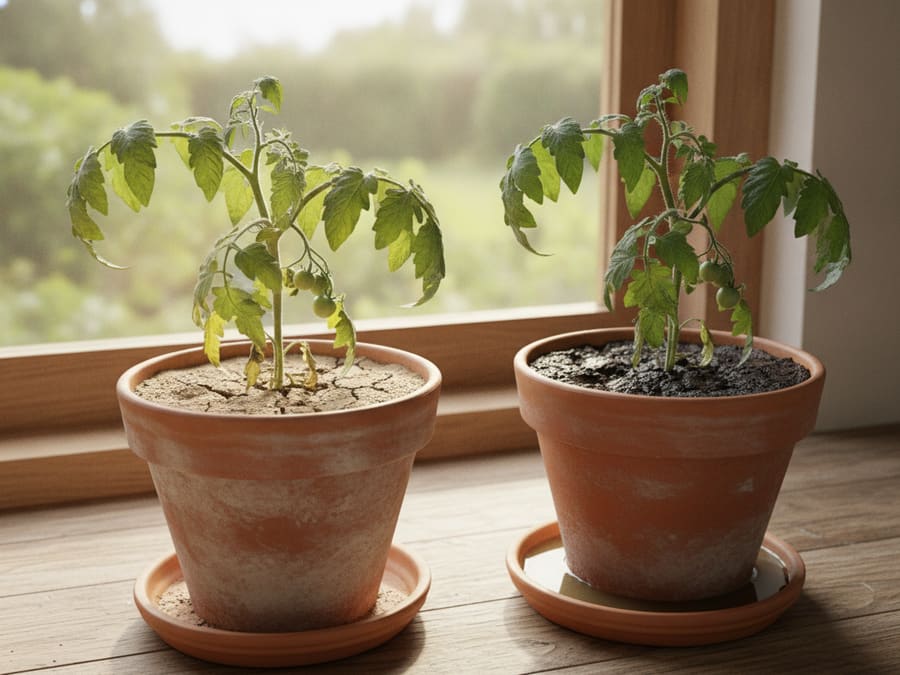
Read →Wilting leaves do not always mean your plant is thirsty. This is where gardeners most often go wrong — they add even more water and finish the plant off for good. Learn to read the signals from the soil and the foliage, and watering will stop being a guessing game.
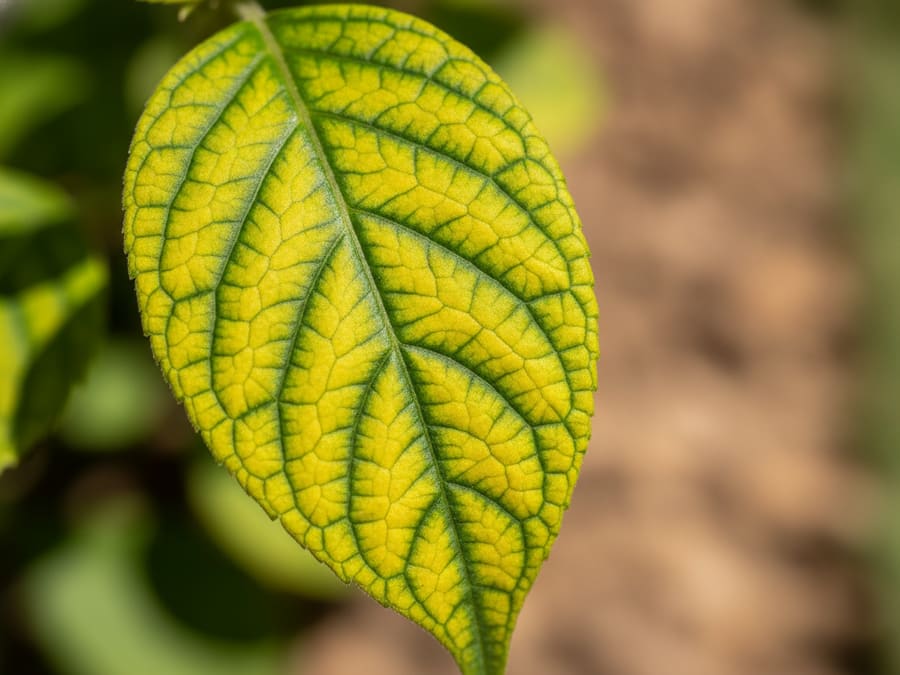
Read →Leaves are your plant's built-in dashboard. The colour, pattern, and location of symptoms tell you exactly which nutrient is missing — so you can fix it before the harvest suffers.
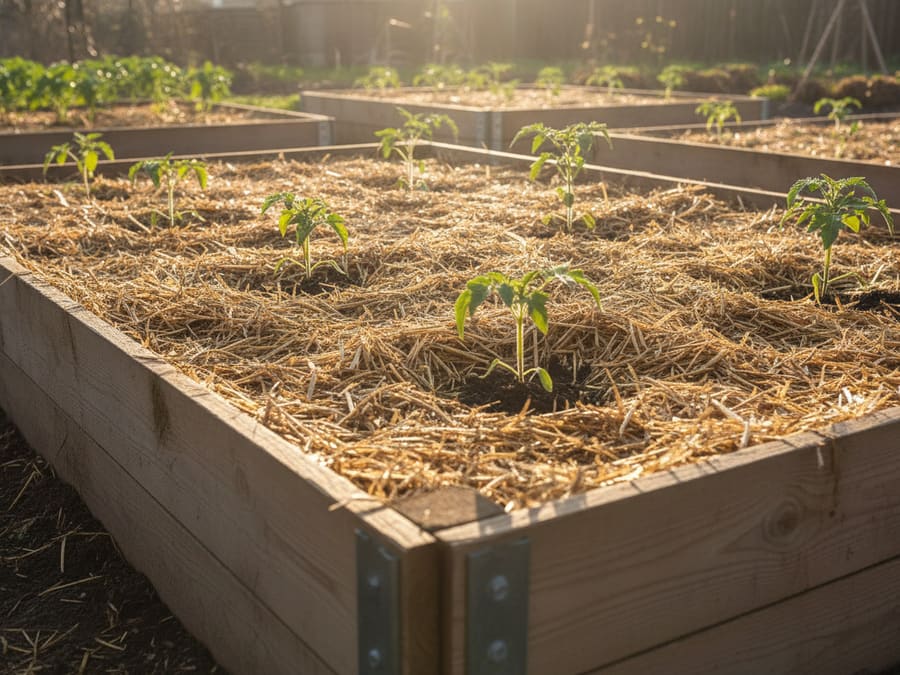
Read →Mulching is one of the simplest techniques that solves several problems at once: it retains moisture, suppresses weeds, and stabilises soil temperature. Lay down a layer of mulch once in spring and you will noticeably cut back on watering and weeding for the rest of the season.
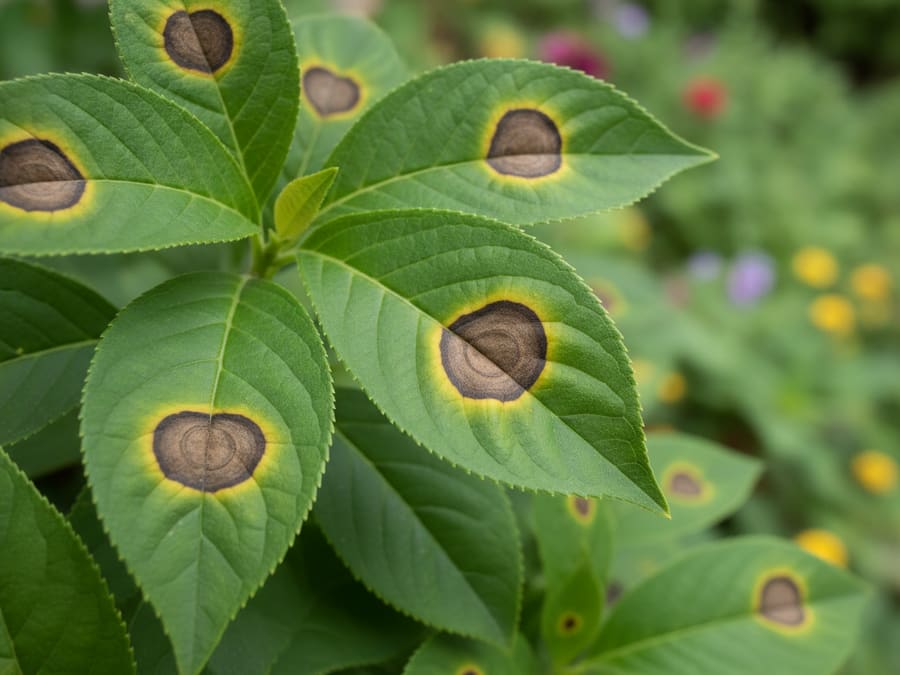
Read →Leaf spots are one of the most common worries for home gardeners, but the causes can be completely different. Fungal disease, bacterial infection, sunscald, and nutrient starvation all look similar at first glance but call for opposite remedies. Learn to read the "signature" of a spot and you can nail the right diagnosis in minutes.
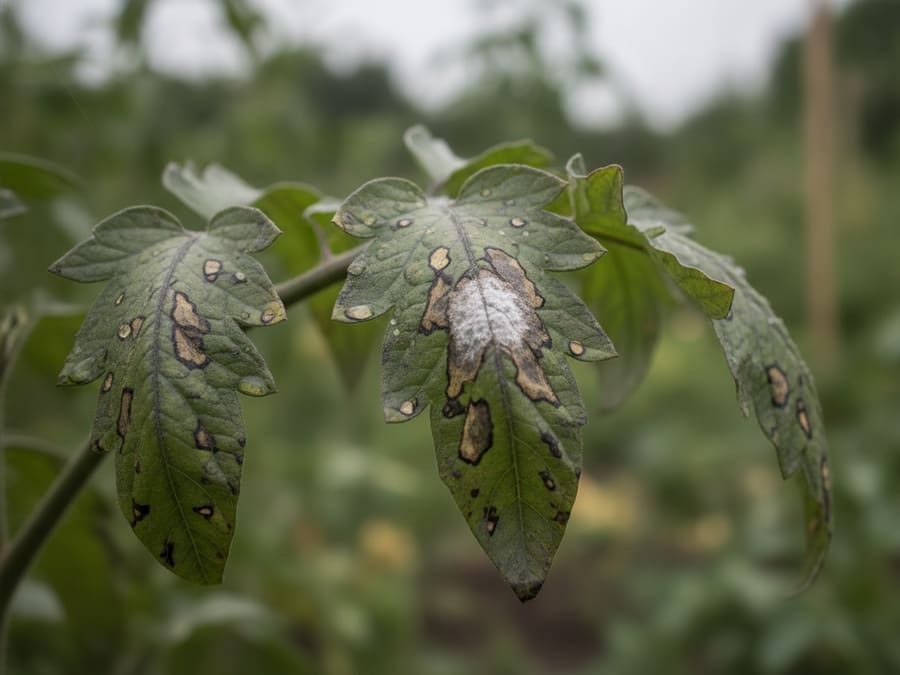
Read →Late blight is the most destructive fungal disease in the kitchen garden: within just a few days it can wipe out an entire tomato plant or a whole bed of potato tops. Spotting it early is straightforward — stopping it in its tracks demands speed and a clear plan.
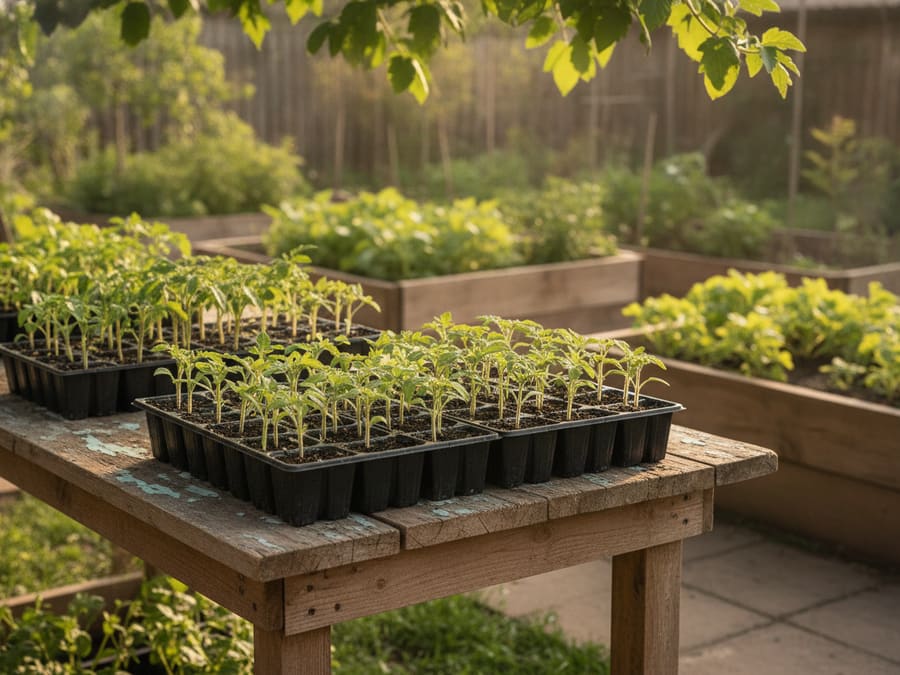
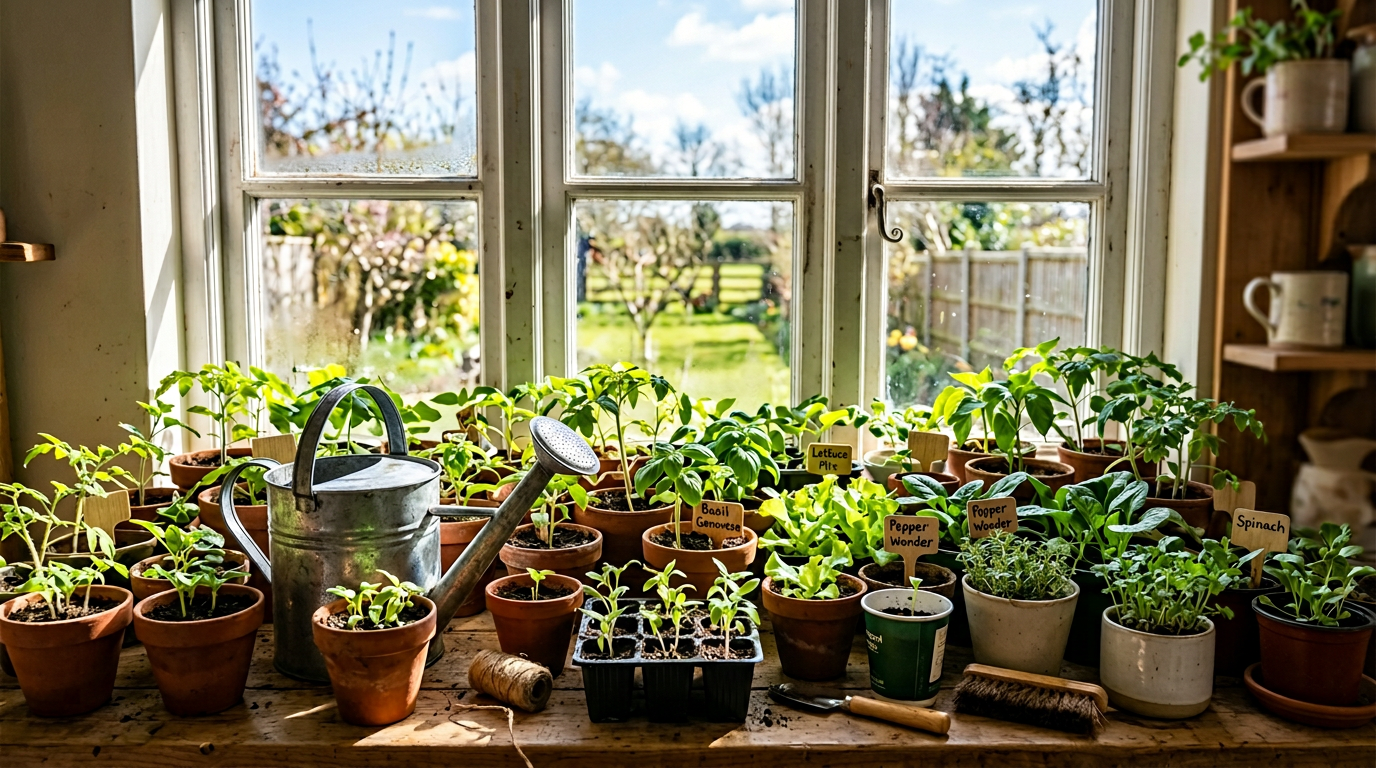
Read →Seedlings raised indoors live a sheltered life — steady warmth, gentle diffused light, no wind whatsoever. Planting them straight into the garden is a shock that can set them back for a week or more. A 10–14 day hardening-off period gradually acclimates them to outdoor conditions so they hit the ground running after transplant.
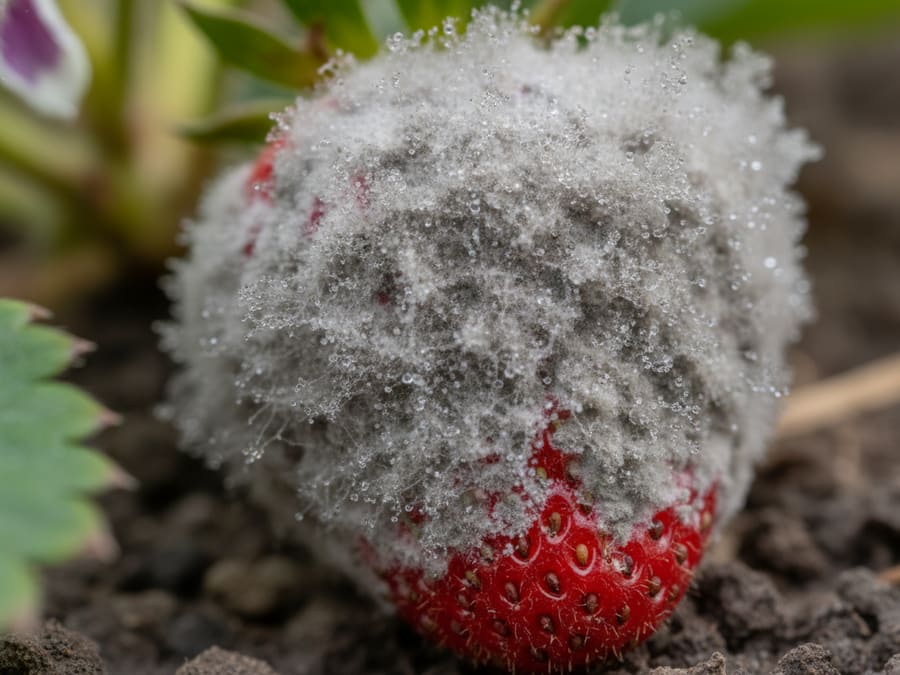
Read →Grey mould is one of the most treacherous diseases in the garden and greenhouse: yesterday your berries looked perfect, and today they're smothered in a distinctive ash-grey fuzz. The culprit is the fungus Botrytis cinerea, whose spores overwinter in soil and plant debris all year long. Let's look at why it flares up and how to stop it spreading before it ruins your harvest.
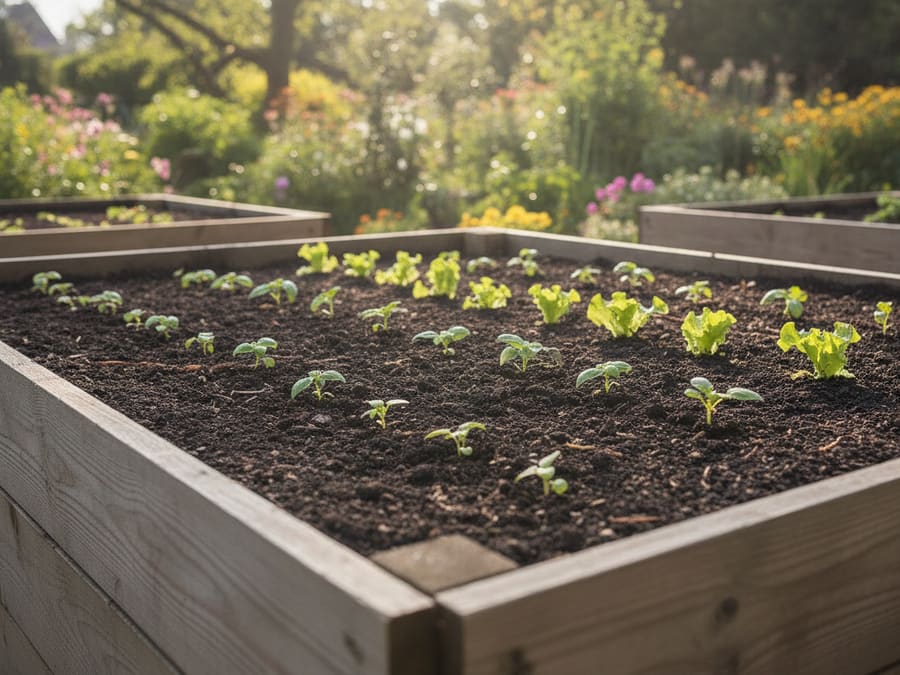
Read →Starting your first vegetable bed is easier than it looks. The key is choosing the right spot, preparing the soil, and sowing crops that reward you within 3–4 weeks. This guide takes you from bare ground to first harvest without the usual beginner mistakes.
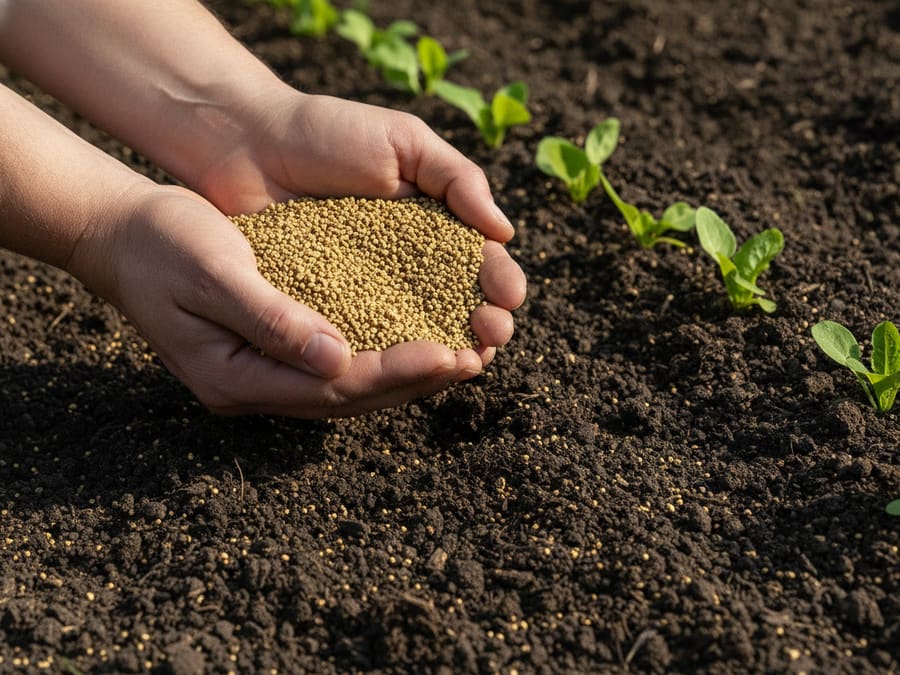
Read →Plants have different nutritional needs at different stages of growth: in spring they need nitrogen to build leafy mass, while during fruiting they demand phosphorus and potassium. Understanding the logic of seasonal feeding means better harvests with less guesswork and no risk of overfeeding your beds. Here is a practical schedule, the warning signs to watch for, and a clear comparison of organic versus mineral fertilizers.
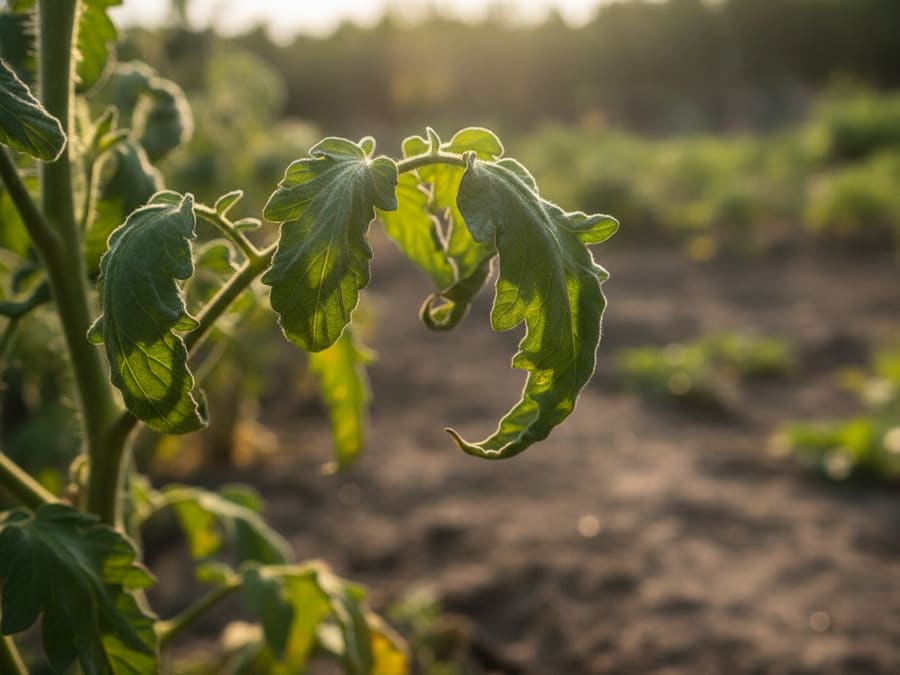
Read →Curled leaves are one of the most common alarm signals in the garden, and your response needs to be precise rather than panicked. Some causes are completely harmless, while others demand action today. Let's work through the five main culprits and learn how to tell them apart.
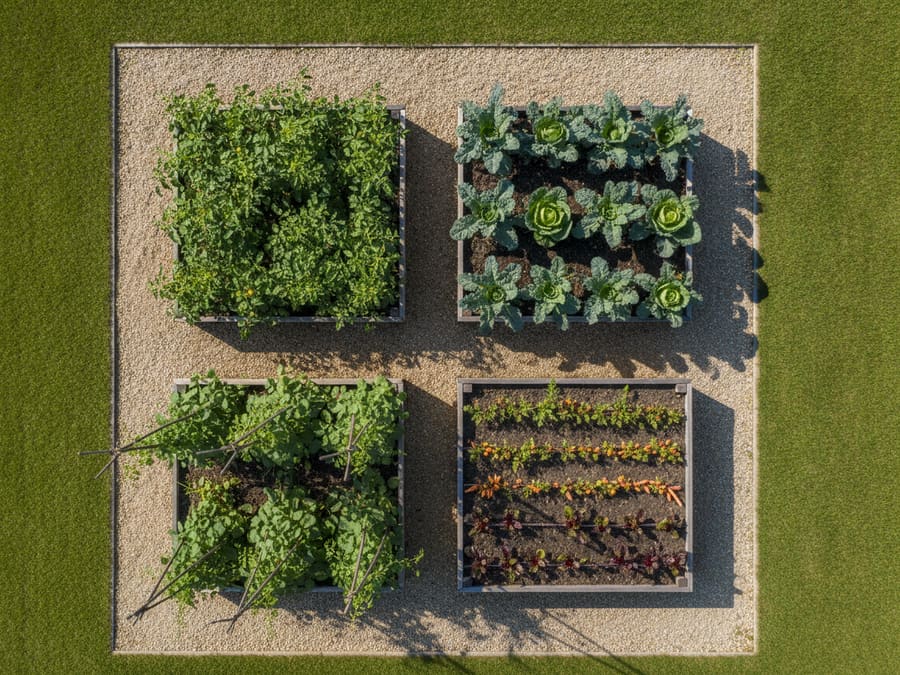
Read →Planting tomatoes in the same spot year after year is a reliable recipe for a weak harvest and a host of diseases. Crop rotation is a simple tool that lets the soil recover and prevents the build-up of pathogens and pests. All you need to do is divide the garden into 3–4 sections and follow a straightforward rotation scheme.
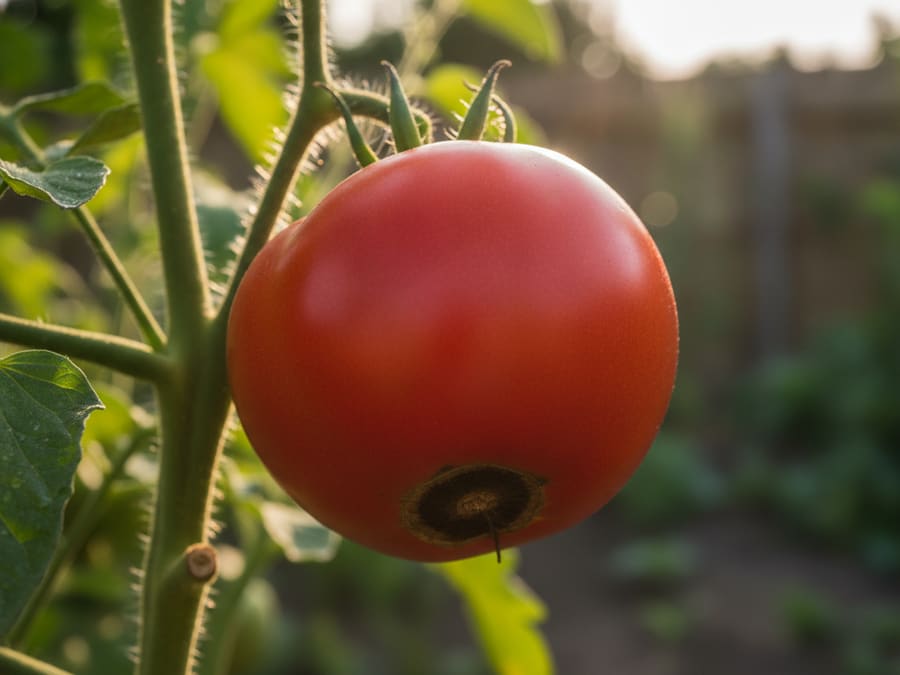
Read →A dark, sunken, leathery patch on the bottom of a fruit is one of the most disheartening sights in a kitchen garden — the tomato looked fine, and then it wasn't. The good news: this is not an infectious disease and cannot spread from plant to plant; it is a physiological disorder caused by calcium deficiency in the fruit tissue. The root cause is almost always the same — irregular watering — and it is entirely fixable.
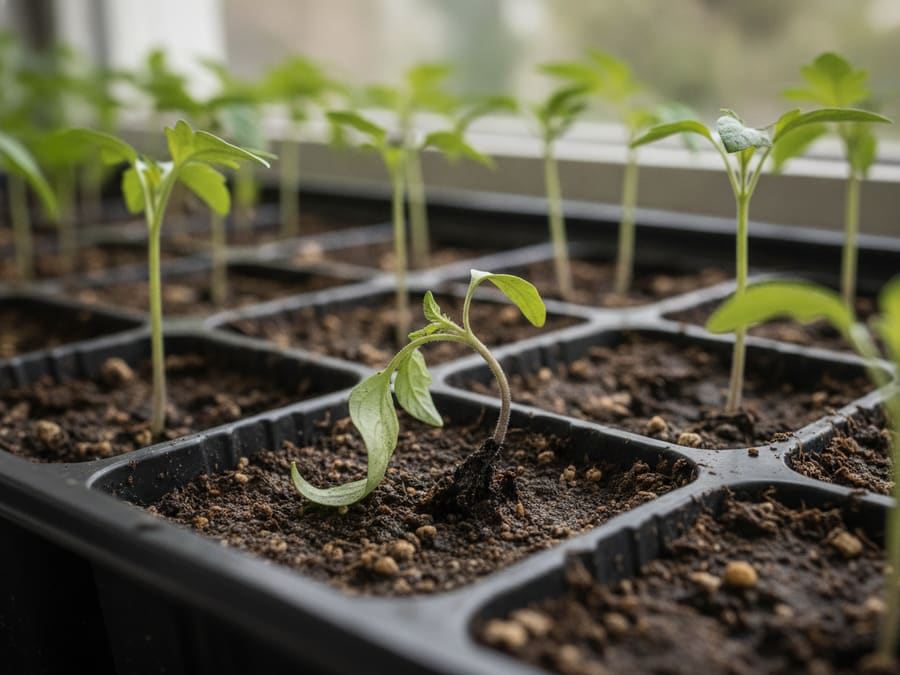
Read →You come to the windowsill in the morning to find several seedlings lying flat — the stem has gone dark, pinched thin, and rotted right at the soil line. This is damping off, one of the most disheartening problems in seed-starting. The good news: if you act quickly, the healthy plants around them can still be saved.
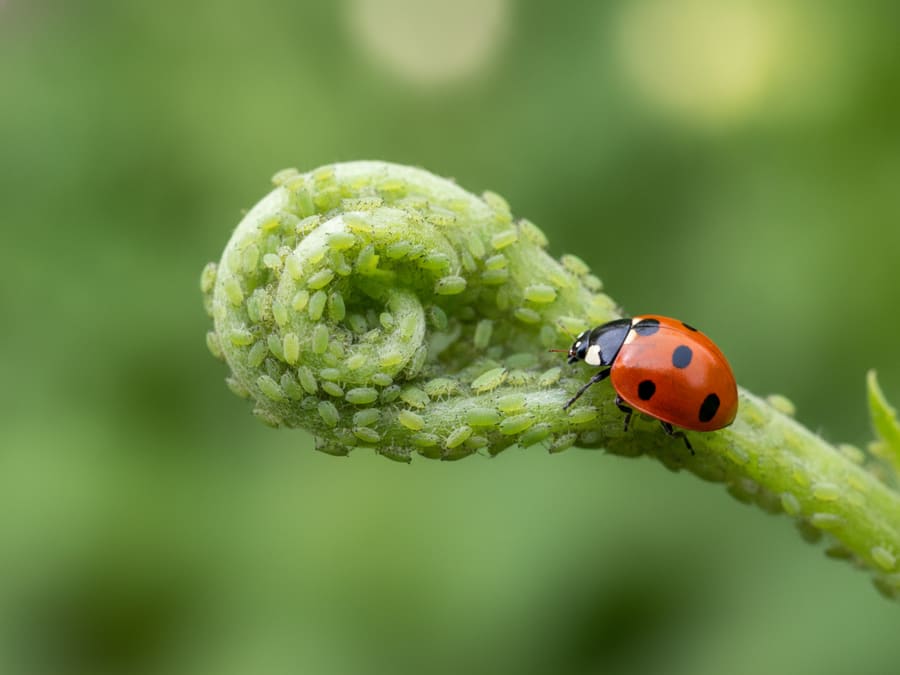
Read →Aphids are among the most common garden pests: tiny insects that form dense colonies on shoot tips and leaf undersides, draining plant sap and leaving behind a sticky residue called honeydew. If you spot curled leaves, a glistening coating on foliage, or a purposeful line of ants heading for a plant — it is time to act. The earlier you step in, the easier it is to solve the problem without reaching for chemicals.
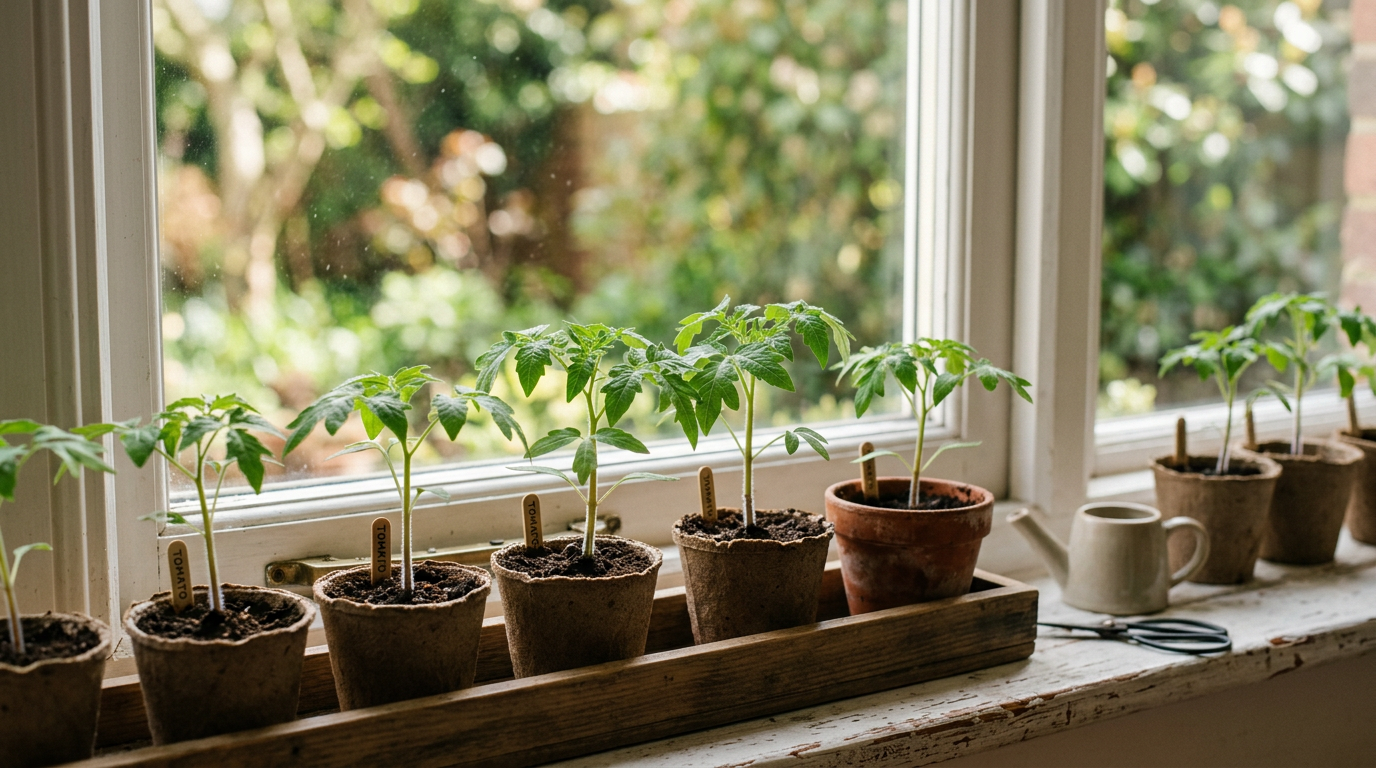
Read →Разбираем сроки посева томатов, подсветку, пикировку и перенос в грунт по шагам для начинающих.
Read →Какие культуры дружат между собой, а какие лучше не сажать рядом, чтобы не терять урожай.
Read →Подборка культур, которые удобно высевать или высаживать в мае, плюс краткий чек-лист по уходу.
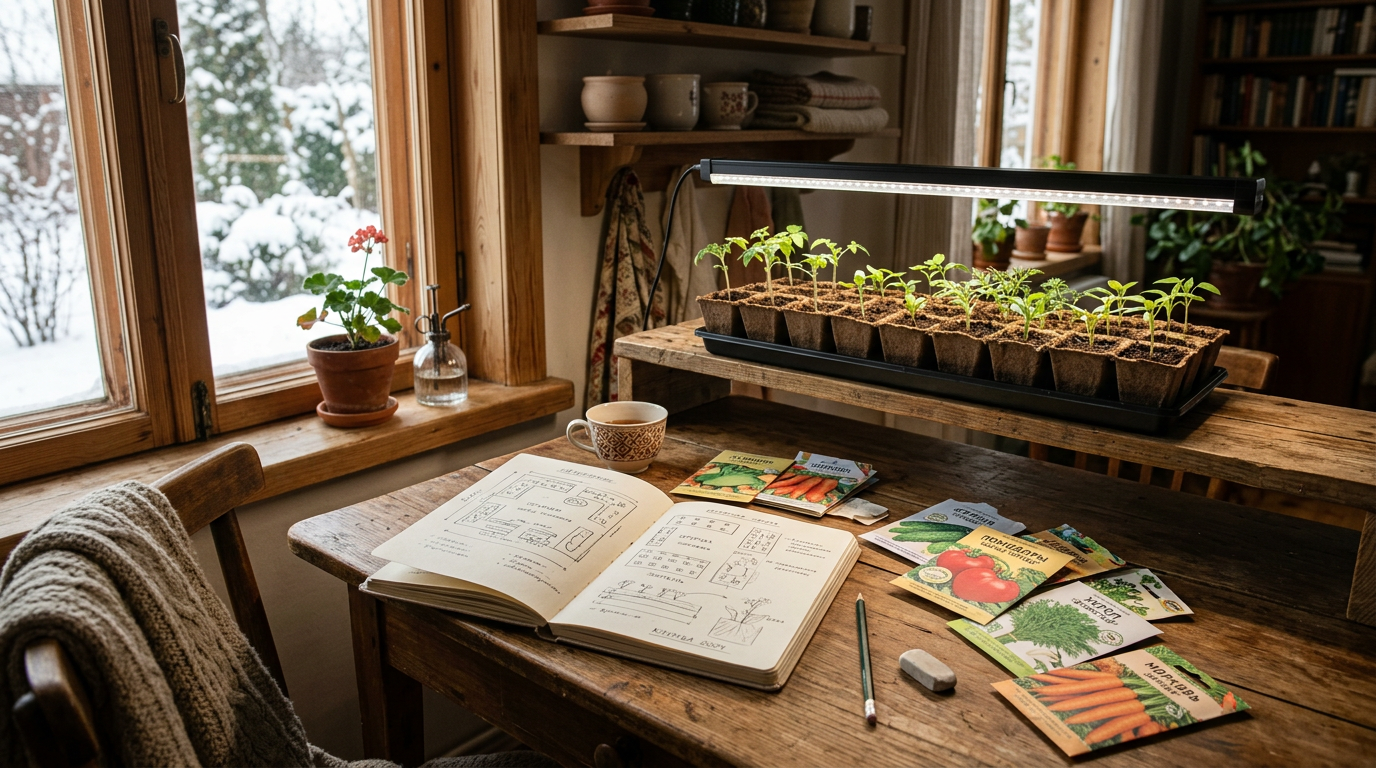
Read →Собираем план посадок, проверяем семена и инвентарь, настраиваем хранение и подсветку для рассады.
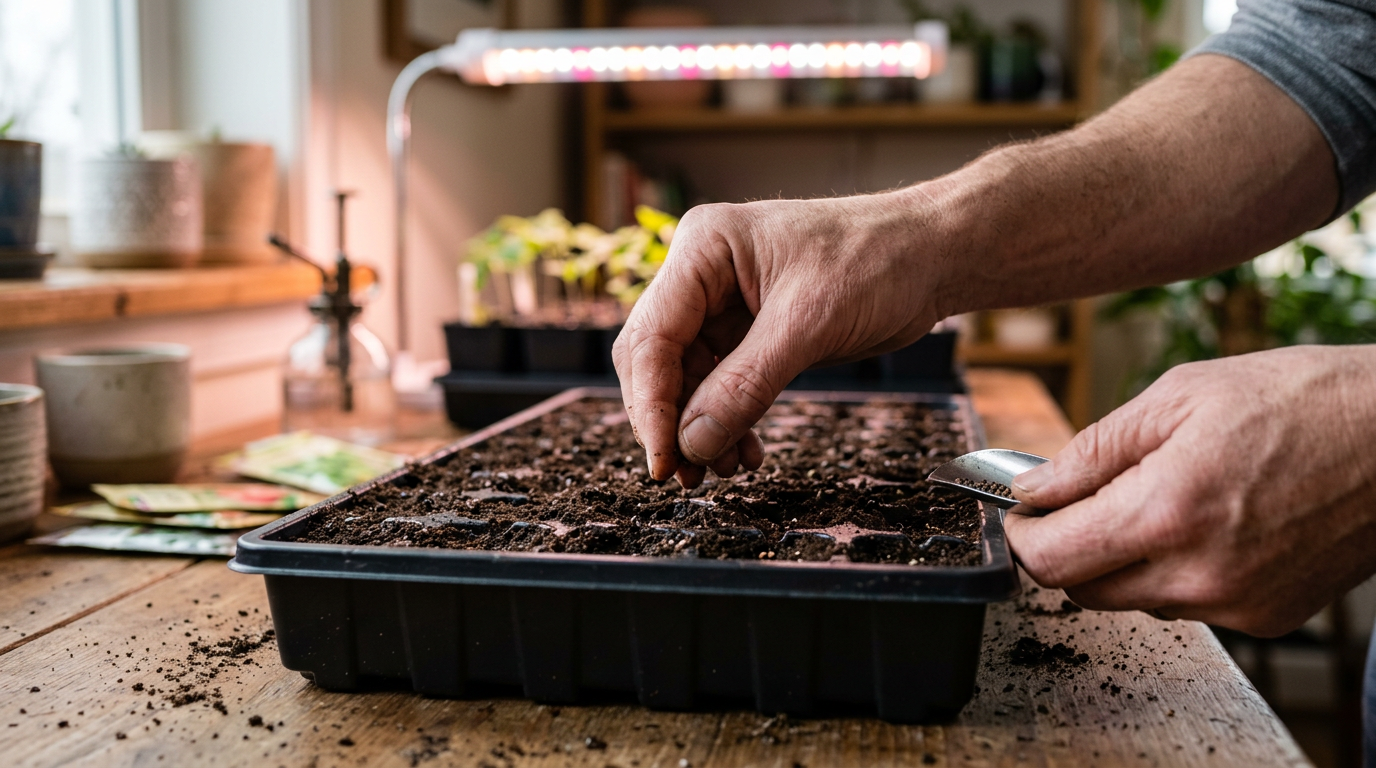
Read →Настраиваем досветку, начинаем ранние посевы и готовим грунт, чтобы в марте всё было готово.
Read →Увеличиваем объём посевов, следим за светом и поливом, готовим место для пикировки.
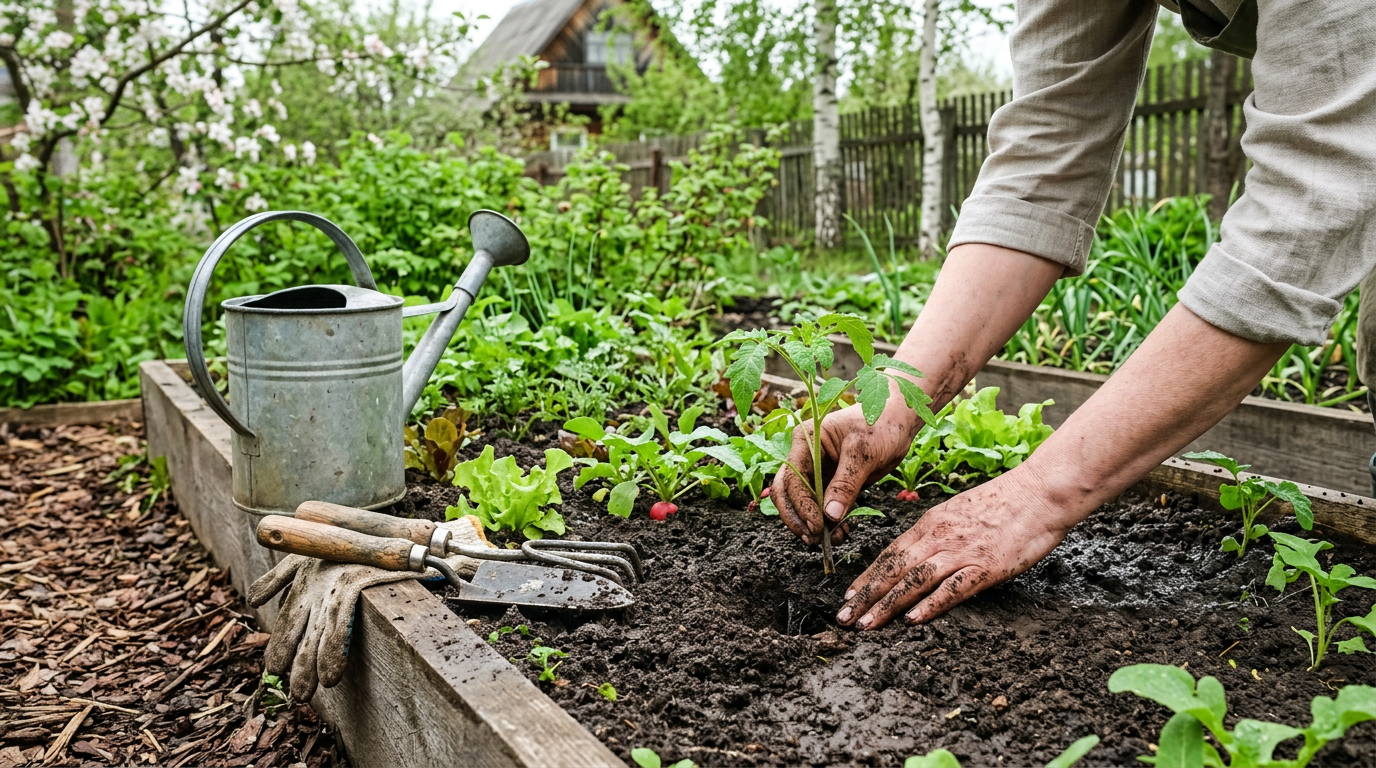
Read →Готовим грядки, проверяем укрытия, сеем холодостойкие культуры и начинаем закаливание рассады.
Read →Высаживаем рассаду по погоде, делаем повторные посевы, защищаем от холодных ночей и запускаем полив.
Read →Настраиваем регулярный полив, добавляем мульчу, следим за тлёй и болезнями, подвязываем растения.
Read →Поддерживаем питание, собираем урожай вовремя, следим за жарой и режимом полива.
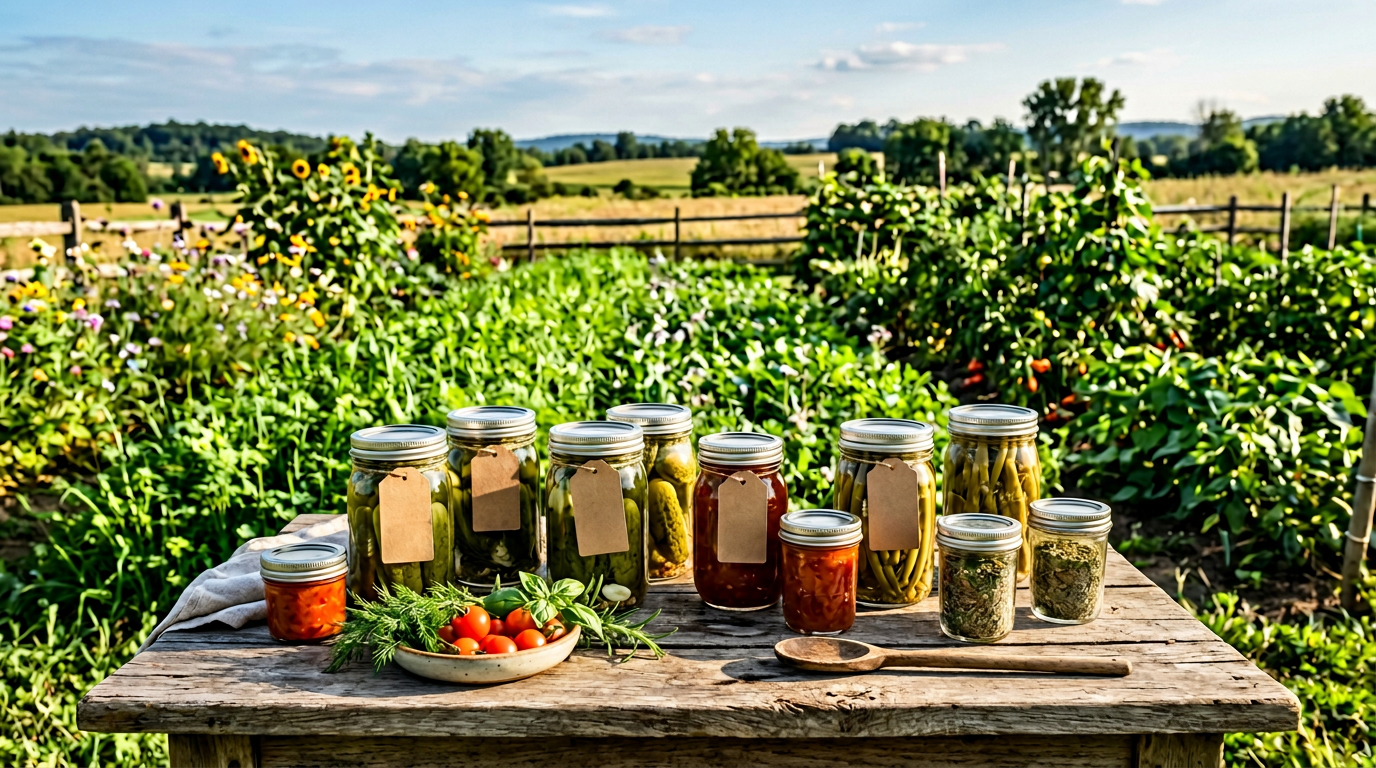
Read →Собираем урожай, сеем сидераты, готовим грядки под осенние посевы и чеснок.
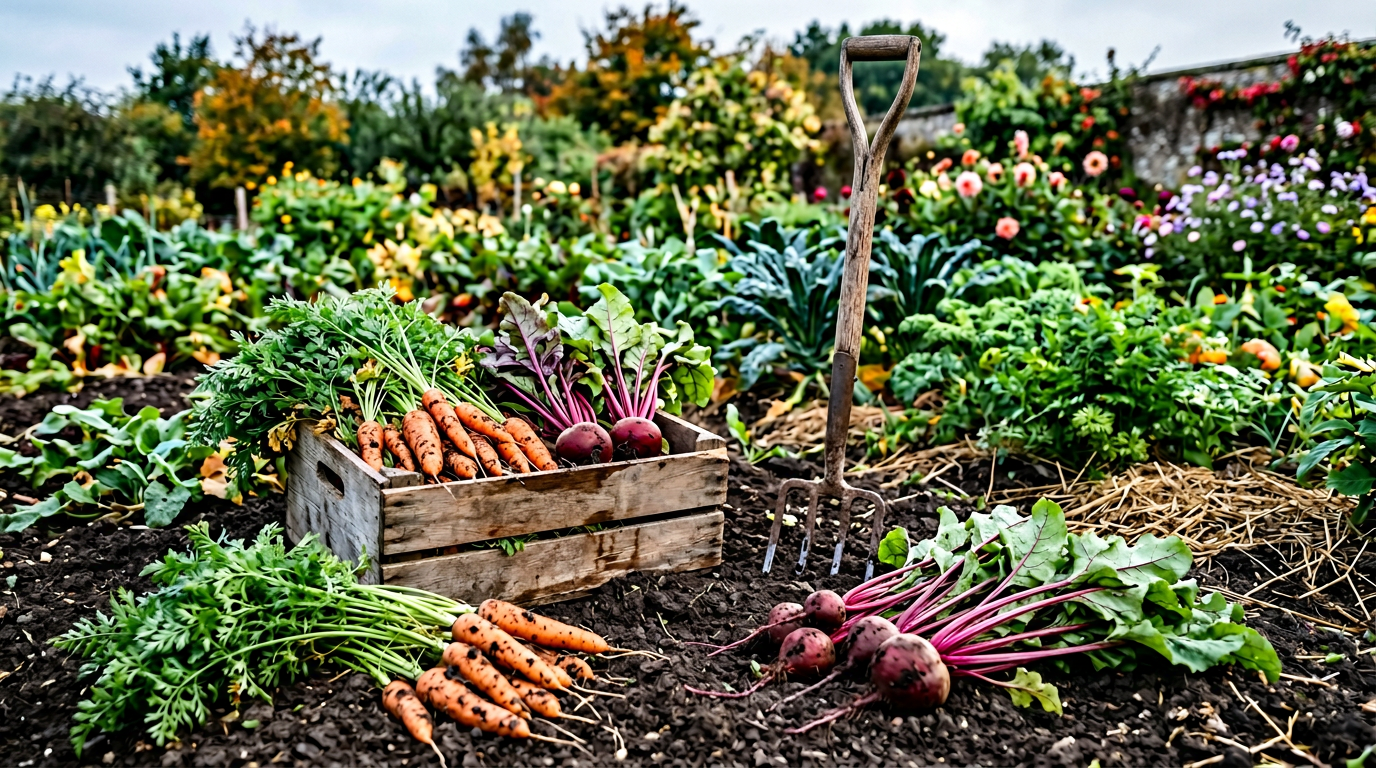
Read →Убираем корнеплоды, готовим хранение, сажаем озимые культуры и обновляем мульчу.
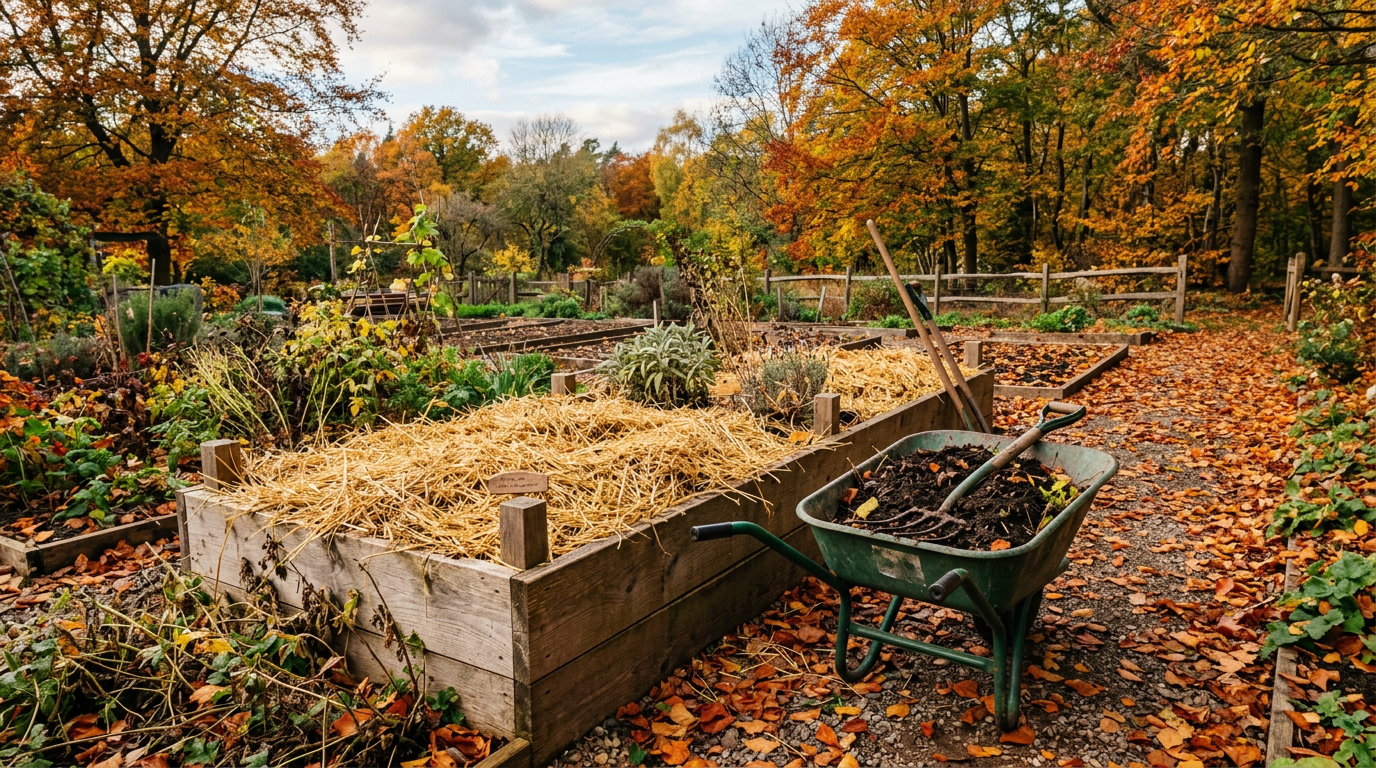
Read →Чистим грядки, вносим органику, мульчируем и подготавливаем укрытия к зиме.
Read →Защищаем озимые и многолетники, проверяем укрытия и готовим план зимних работ.
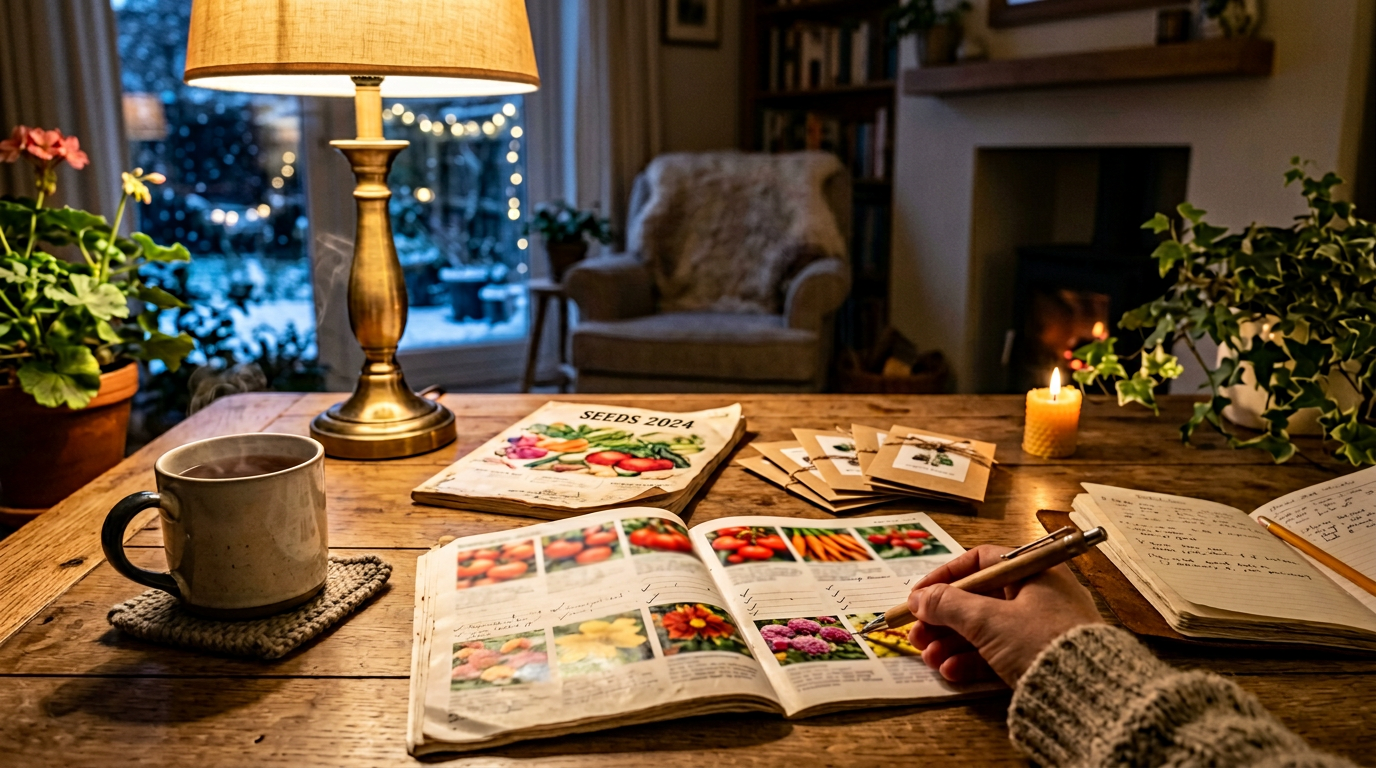
Read →Подводим итоги сезона, выбираем сорта и готовим список покупок к следующему году.
Read →Open the online version of the application or install the mobile application for tasks, planner and reminders.