
Plant catalog
Select crops by season, complexity and type. The display case contains thematic blocks (vegetables, berries, groups of crops). Turn on search or any filter to get to the regular list.
Found: 786
Now they're imprisoning
According to the planting calendar for the current month
In section: 134
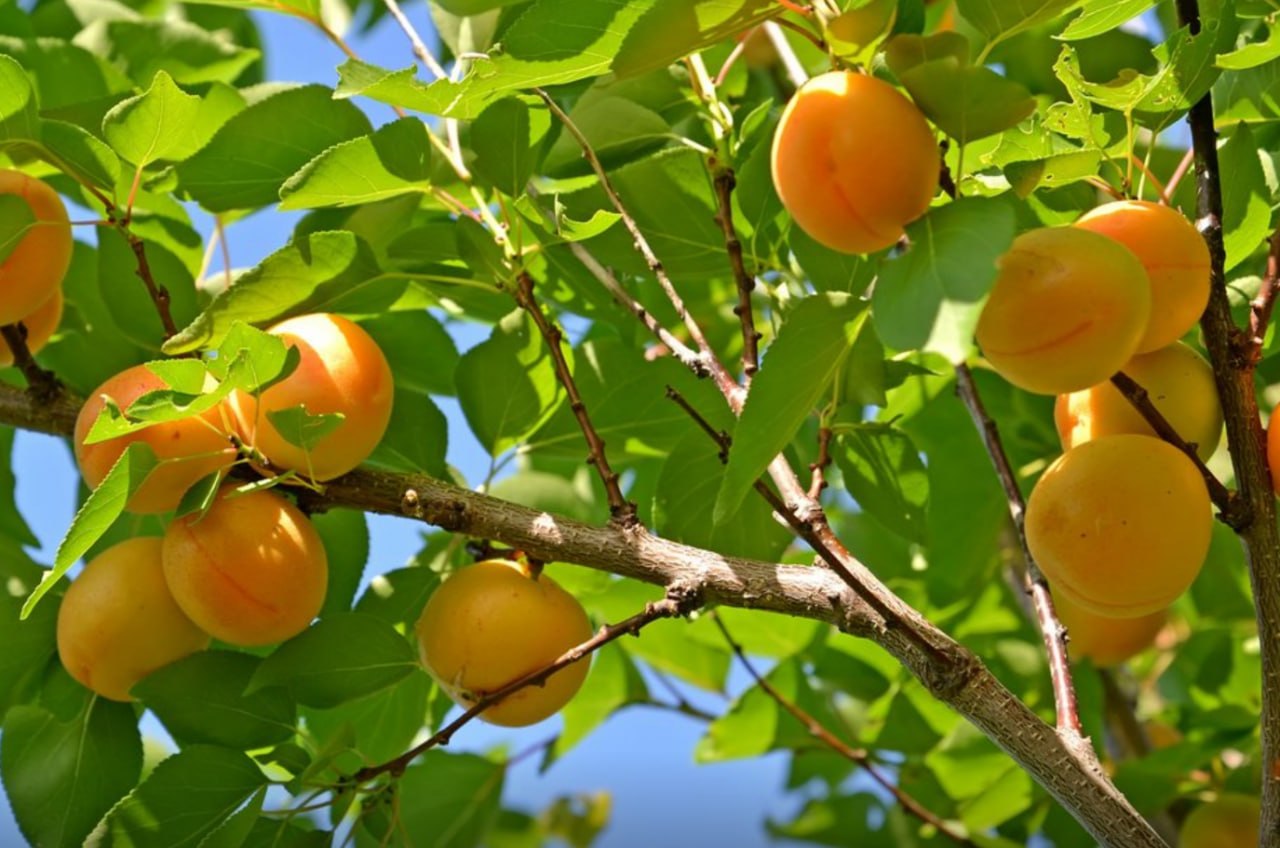
Apricot
Prunus armeniaca
Unpretentious fruit tree with early flowering and sweet orange fruits. Frost-hardy, grows well in CIS conditions in the south and temperate zone.
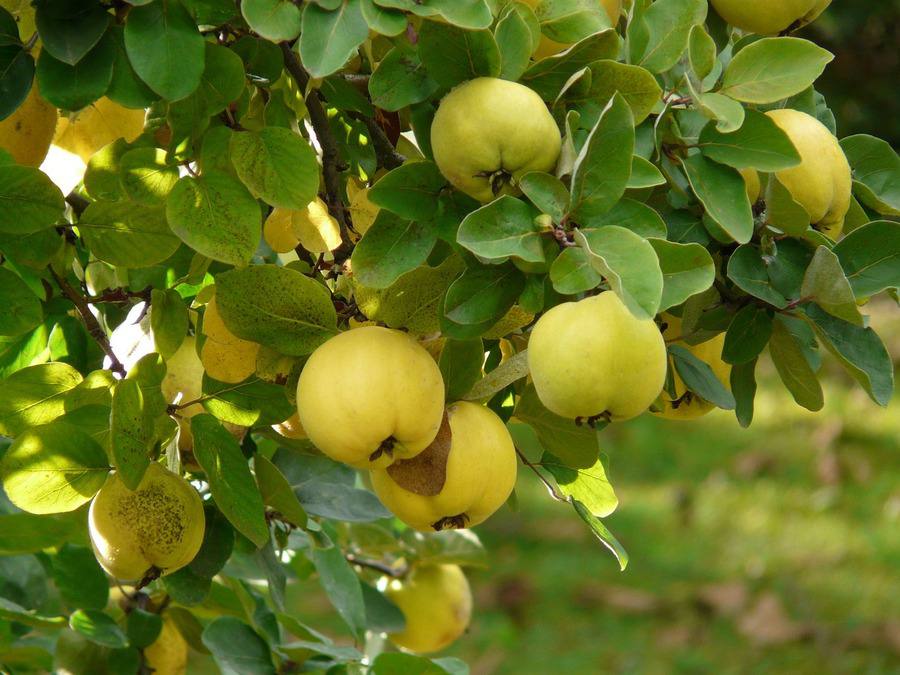
Common Quince
Cydonia oblonga
Quince is a medium-height fruit tree renowned for its large, fragrant yellow fruits. The fruits are rich in pectin and are used for jams, compotes, and marmalades. The tree is hardy, cold-resistant, and grows well in temperate climates across Eastern Europe and beyond.
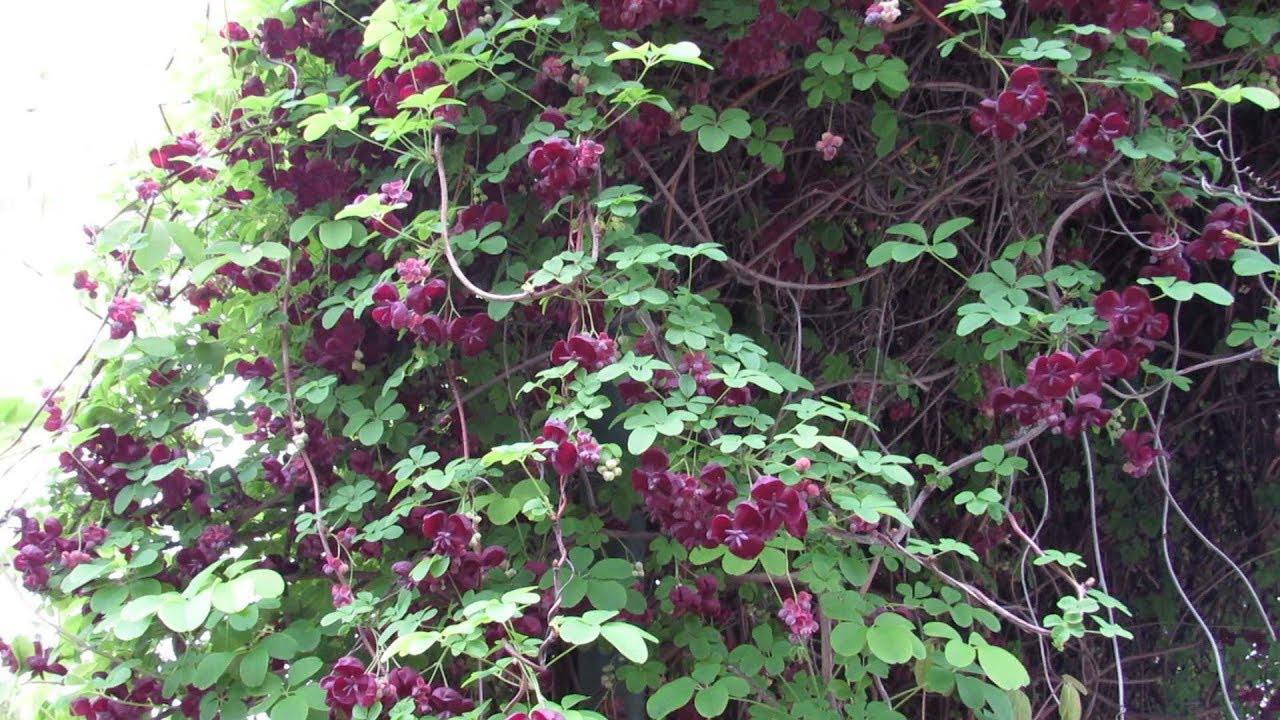
Chocolate Vine, Five-leaf Akebia
Akebia quinata
Ornamental vine with elegant palmate leaves and fragrant purple flowers. Produces edible fruits 8-10 cm long with creamy flesh. Fast-growing, cold-hardy climbing plant perfect for pergolas, arbours and living screens. Only the creamy pulp of ripe fruits is edible: spit out the seeds and do not eat the bitter rind raw (both contain saponins); leaves and stems are not edible.
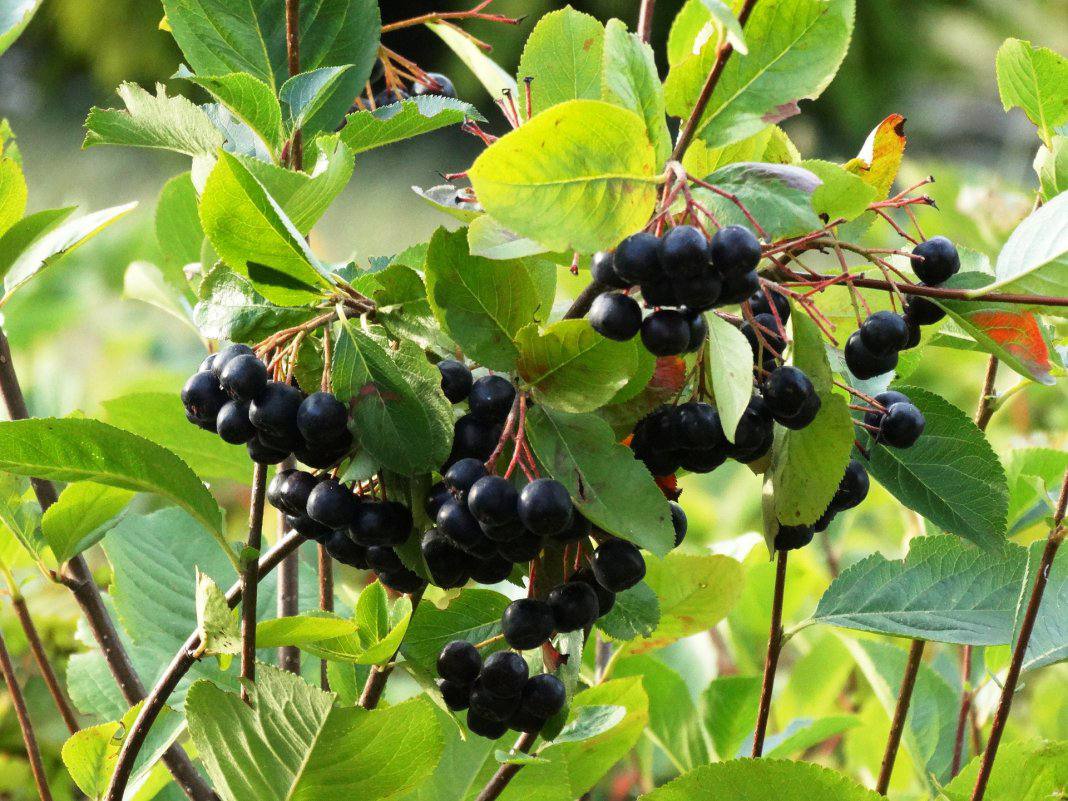
Black Chokeberry
Aronia melanocarpa
Unpretentious ornamental shrub with black berries rich in antioxidants. Bears fruit from July through September and attracts beneficial insects. Hardy to -40°C, excellent for preserving and health drinks.
No hassle
Suitable for beginners
In section: 521
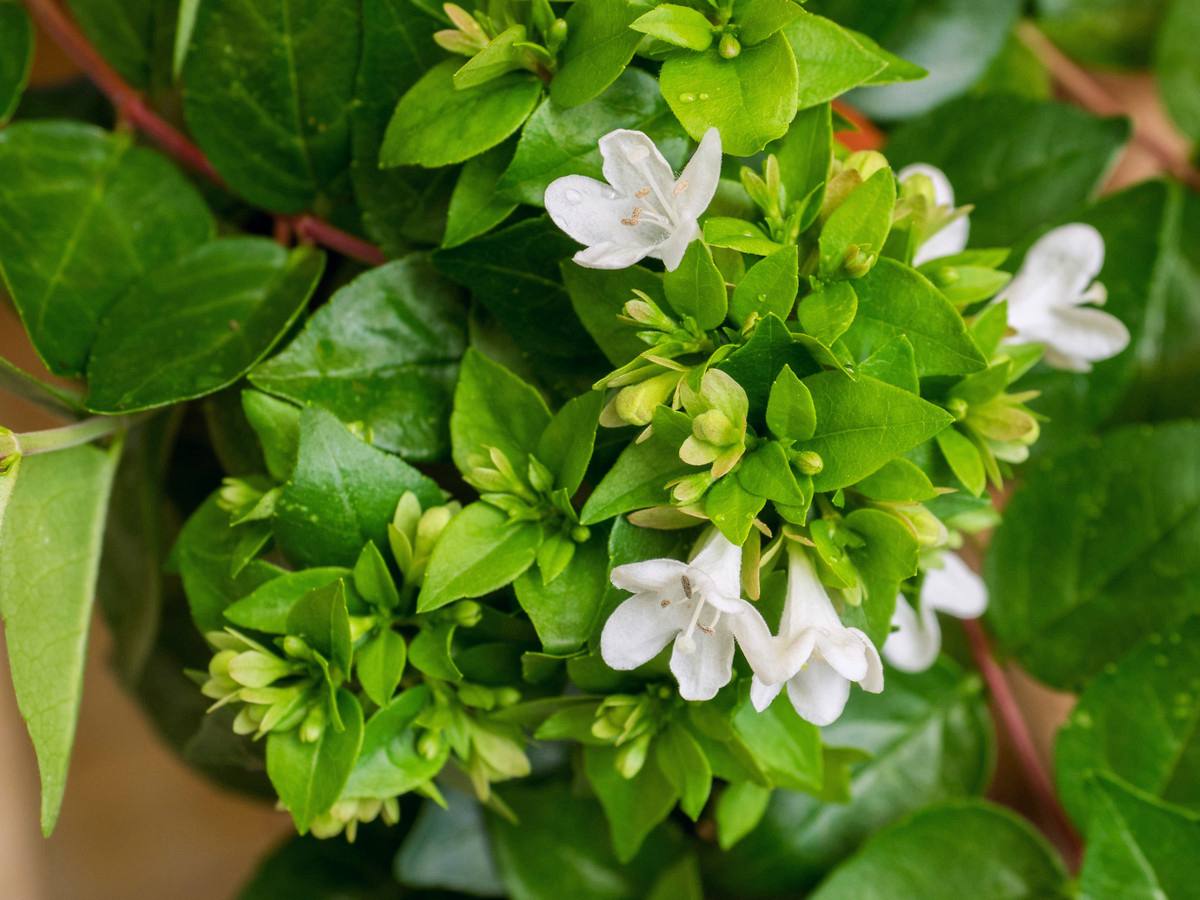
Glossy Abelia
Abelia × grandiflora
Ornamental semi-evergreen shrub with small white and pink flowers gathered in inflorescences. Blooms for a long period from June to October, attracts bees and other pollinators. Unpretentious, grows well in full sun and partial shade.
Apricot
Prunus armeniaca
Unpretentious fruit tree with early flowering and sweet orange fruits. Frost-hardy, grows well in CIS conditions in the south and temperate zone.
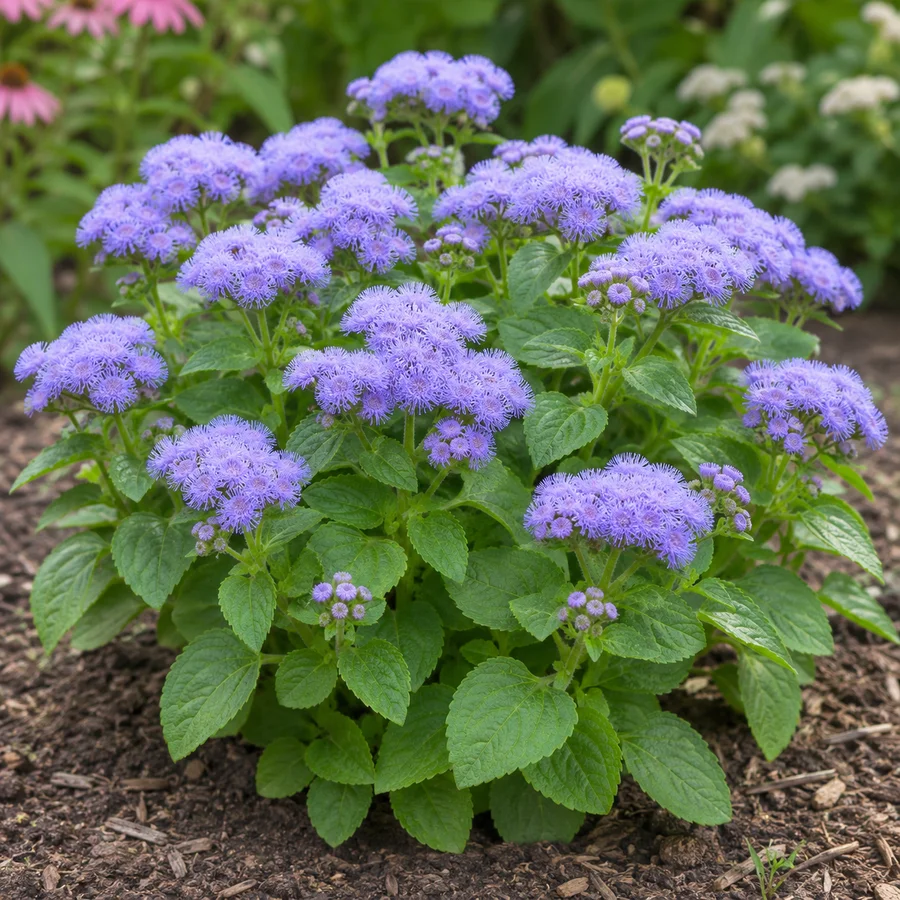
Floss Flower
Ageratum houstonianum
Floss flower is a low, rounded annual that is covered with fluffy blue-lilac pompons from June until frost. It is ideal for borders, containers and carpet beds and pairs well with yellow and orange flowers. It dislikes cold, wet weather.
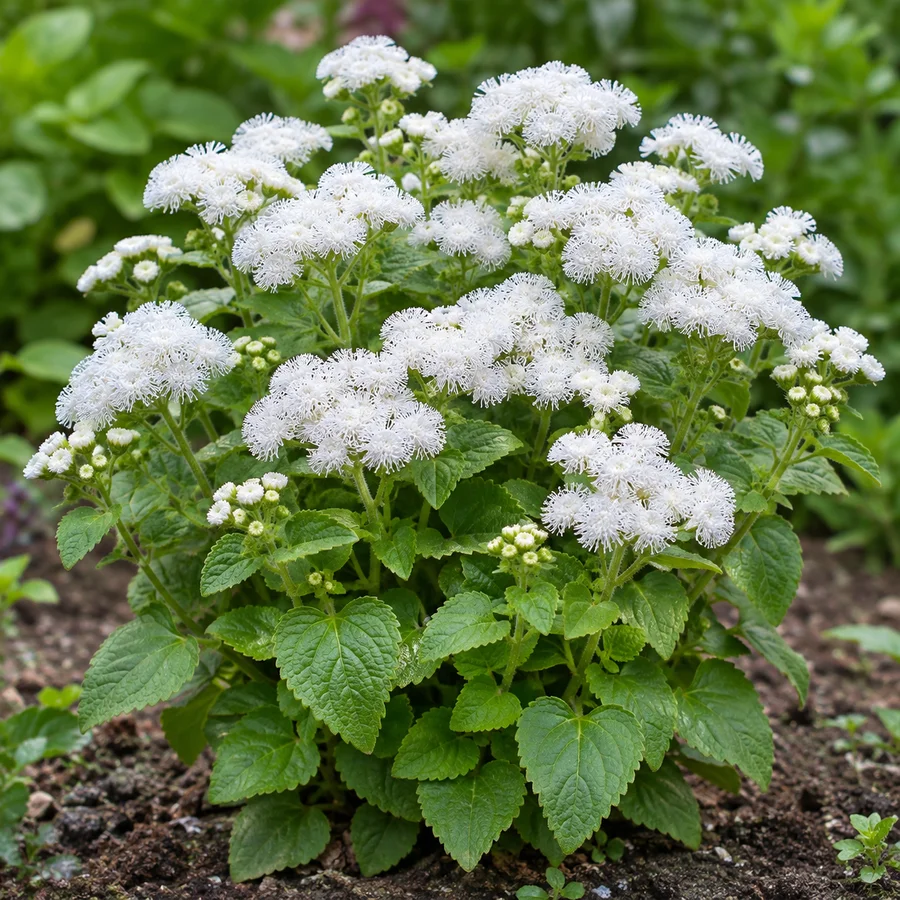
Floss Flower 'Alba'
Ageratum houstonianum 'Alba'
Cultivar 'Alba': white flowers, about 25 cm tall. A compact white variety for borders and containers. Floss flower is a low, rounded annual that is covered with fluffy blue-lilac pompons from June until frost. It is ideal for borders, containers and carpet beds and pairs well with yellow and orange flowers. It dislikes cold, wet weather.
Vegetables
Entire vegetable bed in one section
In section: 229
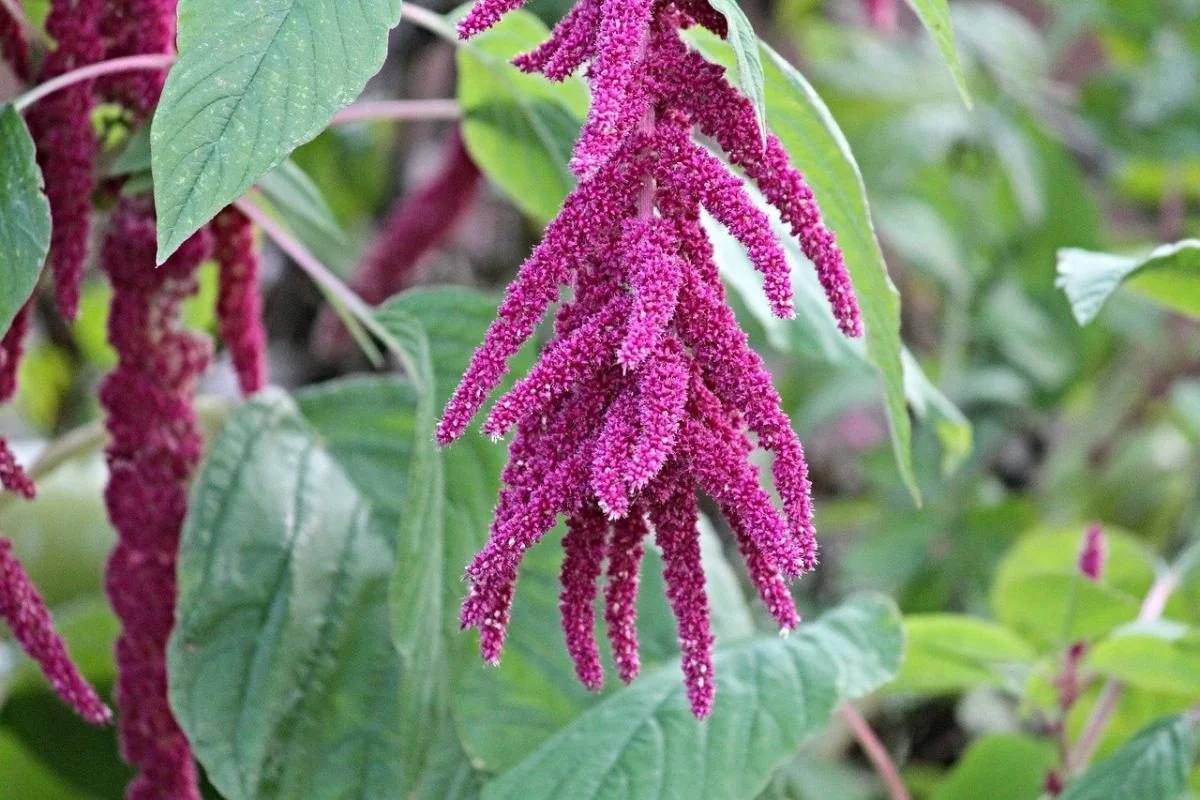
Amaranth
Amaranthus
A versatile plant with nutritious foliage and edible seeds. Grown for leafy greens in salads and as a grain crop. Drought-tolerant and undemanding in temperate climates.
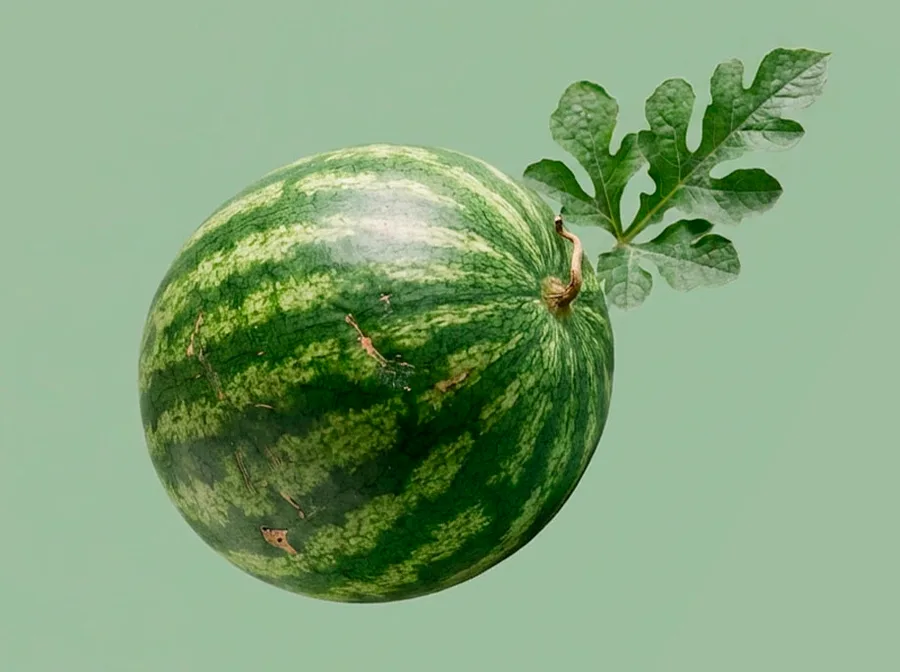
Citrullus lanatus
Citrullus lanatus
A crop with a deep root system that can tolerate drought better than other vegetables, but is critical to heat. In the middle zone - through seedlings in greenhouses.
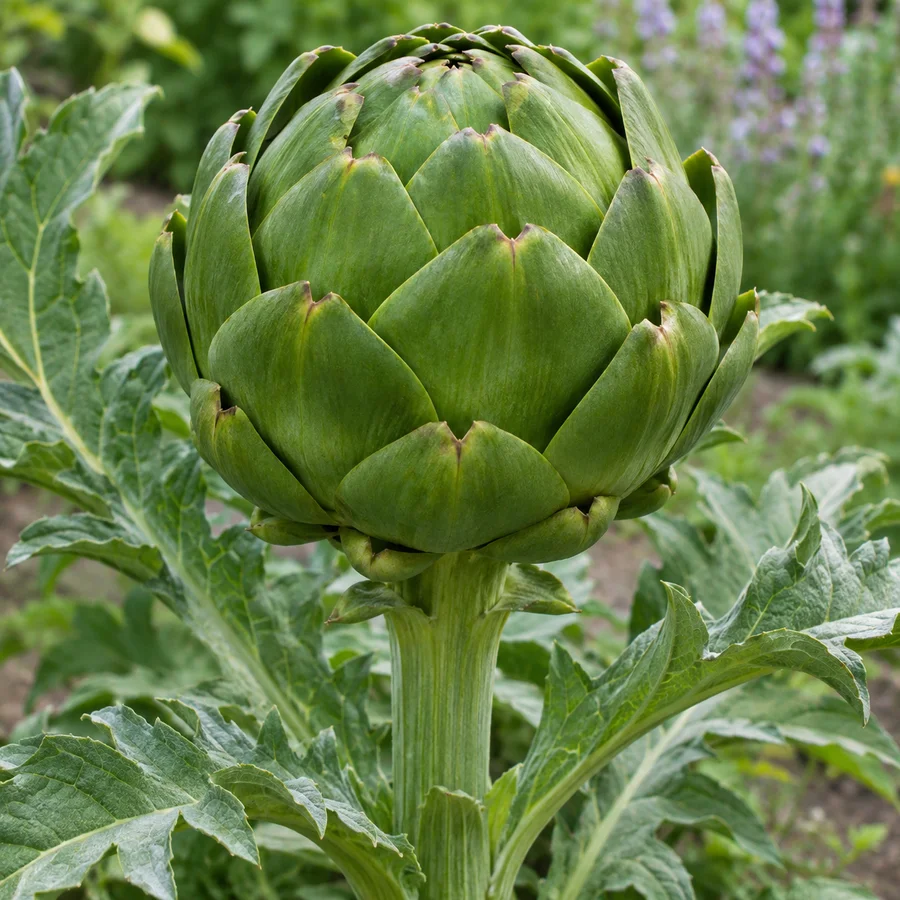
Artichoke 'Green Globe'
Cynara cardunculus var. scolymus 'Зелёный шар'
Artichoke 'Green Globe' — one of the most popular varieties for open ground cultivation. Forms large, compact green heads weighing 100–150 g with a sweetish flavour. Can be grown as an annual (from seedlings) or perennial in mild climates. Harvest in late summer to early autumn.
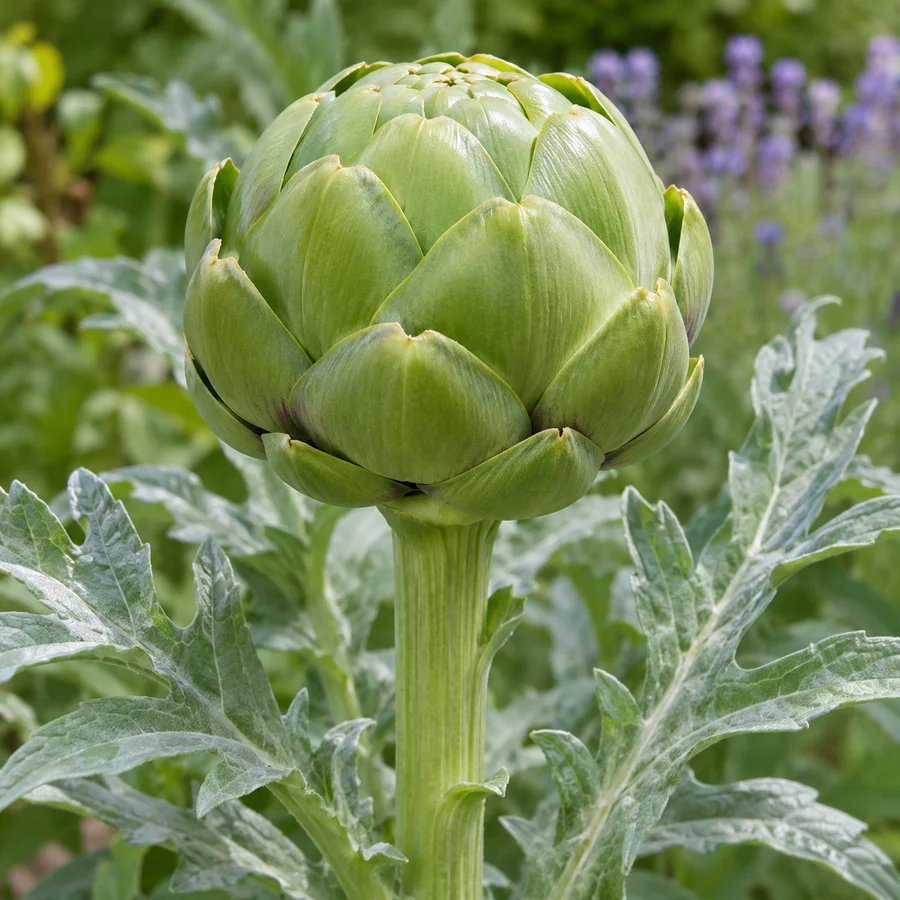
Artichoke 'Imperial'
Cynara cardunculus var. scolymus 'Императорский'
Artichoke 'Imperial' — a high-yielding variety with a vigorous plant and large heads weighing 120–180 g. Heads have a violet-purple tint with green base, tender texture and pleasant flavour. Well adapted to mild climates and can be grown as a perennial. Harvest July to September.
Berries
Shrubs and strawberries
In section: 130
Apricot
Prunus armeniaca
Unpretentious fruit tree with early flowering and sweet orange fruits. Frost-hardy, grows well in CIS conditions in the south and temperate zone.
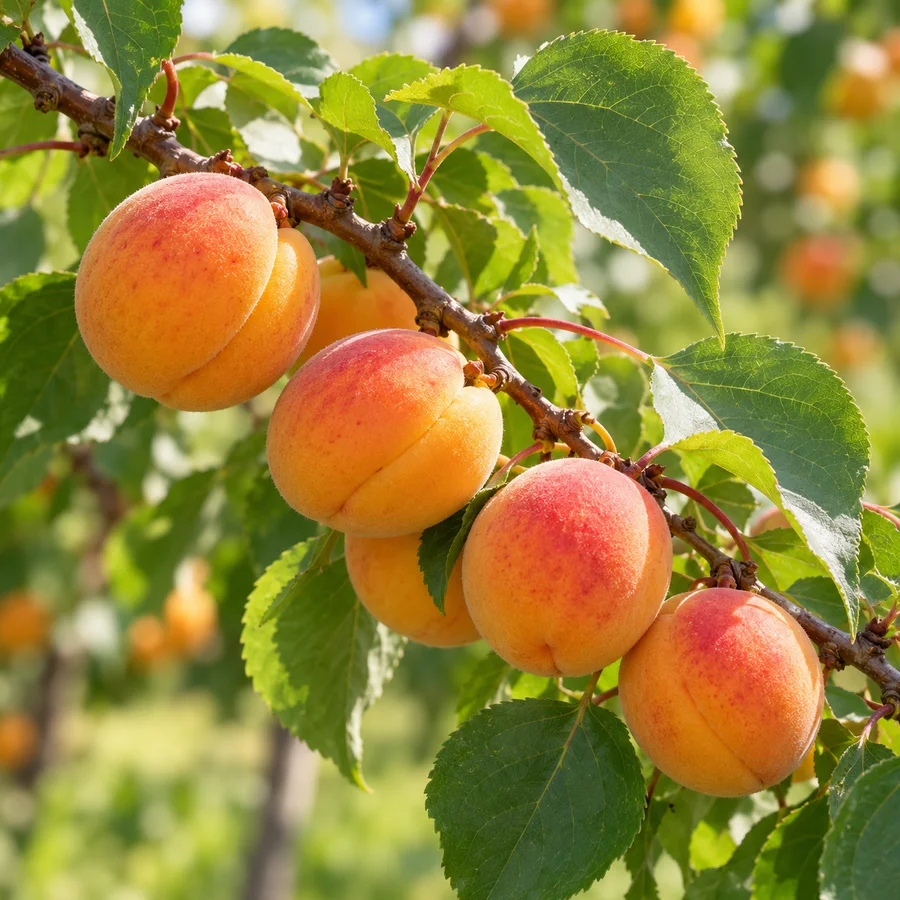
Apricot
Prunus armeniaca
A heat-loving fruit tree with delicate pink blossoms in spring and sweet orange fruit in summer. Requires good sunlight and loose, well-draining soil. Early-bearing: harvest from the third to fourth year. Cold-hardiness depends on the cultivar and region; in temperate zones, growing with winter protection or selecting hardy varieties is possible. Only the flesh of ripe fruit is edible: the kernels inside the pits, as well as leaves, bark and twigs, contain amygdalin (which releases cyanide) and are poisonous if eaten — do not eat the kernels and keep pits and pruned branches away from children, cats, dogs and horses.
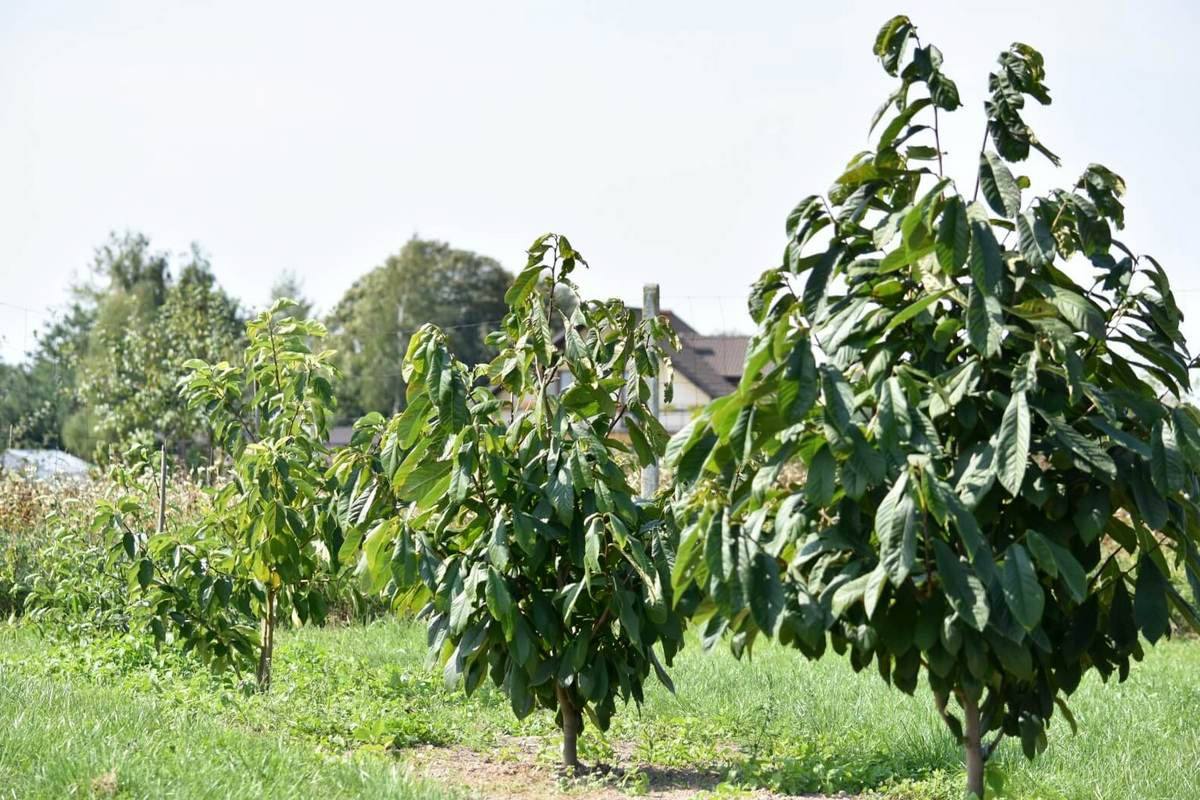
Pawpaw, Common pawpaw
Asimina triloba
Pawpaw is a rare and exotic fruit tree native to eastern North America. In CIS climates it is grown as a hardy novelty with delicious custard-banana flavoured fruits. It requires protection and patience, but in favourable locations rewards with generous harvests. Important: only the pulp of fully ripe fruit is edible — the seeds, skin, leaves and bark contain toxic acetogenins (annonacin) and are dangerous to people and pets.
Common Quince
Cydonia oblonga
Quince is a medium-height fruit tree renowned for its large, fragrant yellow fruits. The fruits are rich in pectin and are used for jams, compotes, and marmalades. The tree is hardy, cold-resistant, and grows well in temperate climates across Eastern Europe and beyond.
Herbs and spices
To the garden and to the kitchen
In section: 45
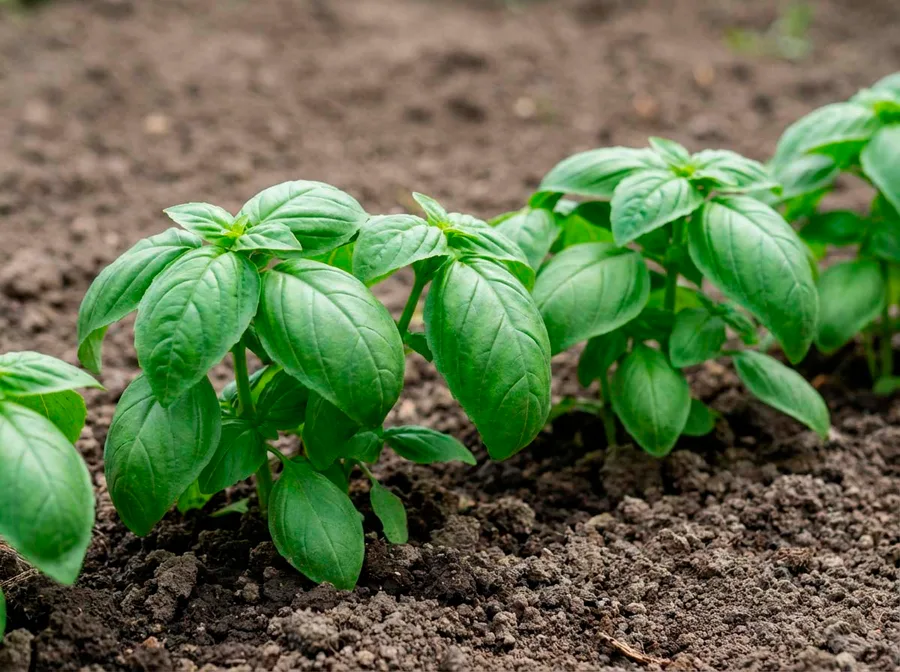
Ocimum basilicum
Ocimum basilicum
Warm-season basil (green and purple) are grown the same way; the differences are in variety, aroma and color.
Garden Valerian
Valeriana officinalis
Perennial herb with medicinal value. The rhizome contains essential oils and organic acids, widely used in folk medicine and pharmaceuticals for tinctures and decoctions. Unpretentious and hardy in cool climates. The plant is not a food crop: the rhizome is medicinal raw material only; valerian preparations should not be taken long-term or in large doses (drowsiness, headache, stomach upset) and are not for children under 3, pregnant or breastfeeding women — consult a doctor before use. Keep the dried root away from cats: its smell strongly excites them.
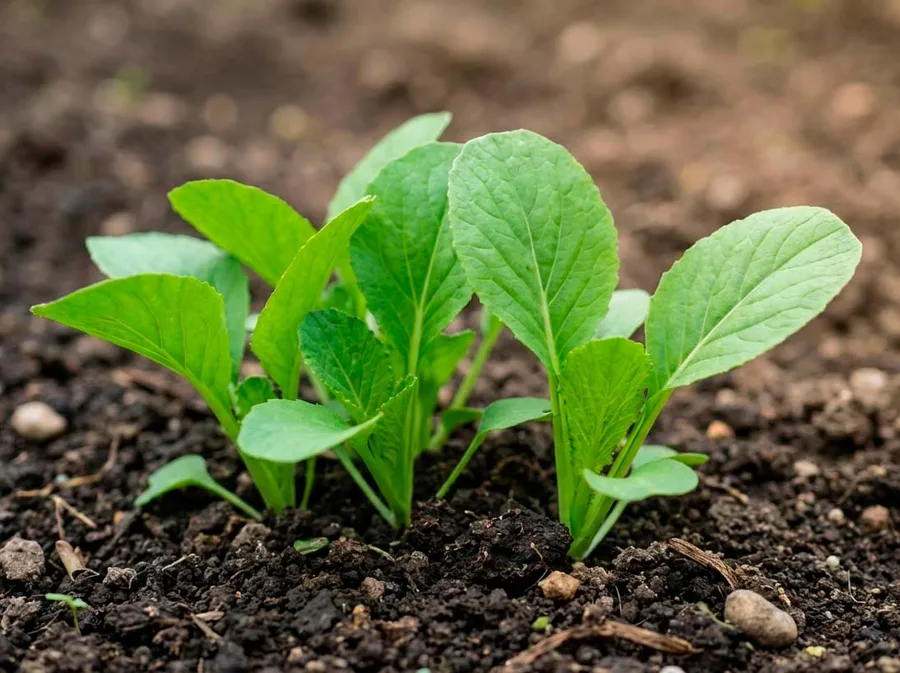
Brassica juncea
Brassica juncea
Early ripening spicy greens with a piquant taste. Cold-resistant, but in the heat and with long days it quickly fades into color.

Melilotus officinalis
Melilotus officinalis
Двулетняя бобовая трава-медонос с ароматом кумарина. Один из лучших и самых надёжных медоносов умеренной зоны: цветёт с июня до осени, выделяет нектар даже в засуху и на бедных почвах. Параллельно работает как сидерат — глубокий стержневой корень рыхлит и обогащает землю азотом. Незаменим для закладки нектароносного конвейера рядом с пасекой.
Root vegetables and potatoes
Carrots, beets, radishes, tubers
In section: 37
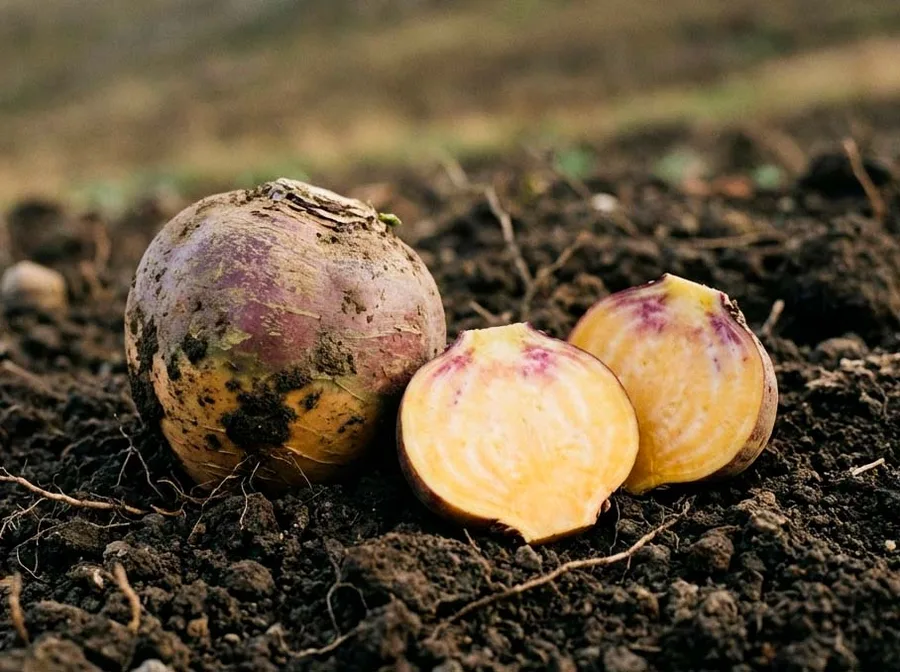
Brassica napus subsp. rapifera
Brassica napus subsp. rapifera
Hybrid of turnip and cabbage. A nutritious root vegetable with a long growing season (110–120 days), stores well.
Potato 'Queen Anne'
Solanum tuberosum 'Королева Анна'
Mid-season early potato variety with red skin and yellow flesh. Oval tubers, good taste, versatile use. High-yielding and resistant to scab and late blight, thrives in temperate and northern climates. Warning: the foliage, flowers, green berries, sprouts and greened tubers are toxic due to solanine — never eat them and keep them away from children, cats, dogs and livestock; tubers are safe only when cooked.

Potato Adretta
Solanum tuberosum 'Adretta'
Mid-season variety with light yellow flesh (from light yellow to deep yellow). High-yielding, disease-resistant; round tubers 110–160 g. Abundant flowering with large white flowers. Excellent taste, friability.
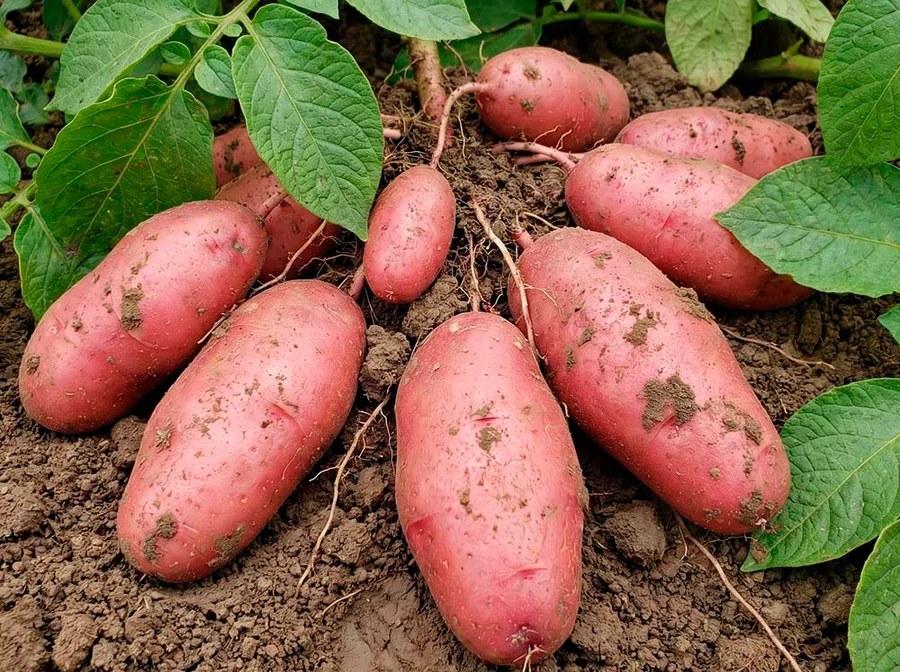
Potato Asterix
Solanum tuberosum 'Asterix'
A mid-late elite variety with red skin and yellow flesh. Requires additional irrigation, but is resistant to golden nematode, potato blight and tuber blight. Great for frying and boiling.
Solanaceae
Tomatoes, peppers, eggplant
In section: 83
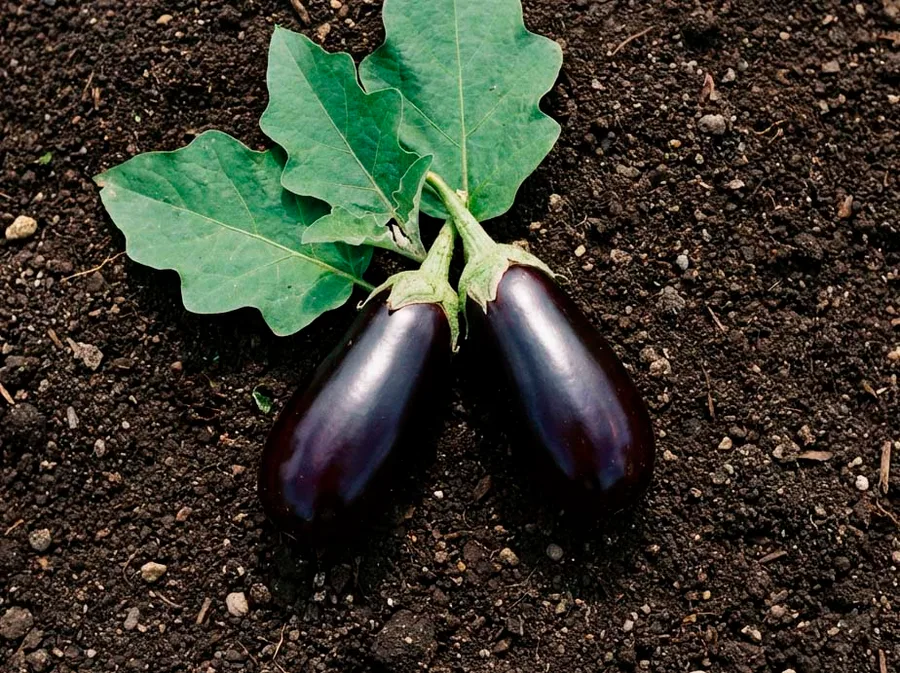
Solanum melongena
Solanum melongena
A very heat-loving crop: it requires warmth, careful watering with warm water and the formation of a bush.

Pepper Winnie The Pooh
Capsicum annuum 'Winnie-the-Pooh'
Early ripening compact variety: suitable for small shelters and even for a windowsill.

Pepper California Wonder
Capsicum annuum 'California Wonder'
A classic mid-season variety with large cube-shaped fruits.

Pepper Orange Miracle F1
Capsicum annuum 'Orange Miracle F1'
An early ripening hybrid with very thick walls and a bright orange color.
Pumpkin and melon
Cucumbers, zucchini, melon, watermelon
In section: 31
Citrullus lanatus
Citrullus lanatus
A crop with a deep root system that can tolerate drought better than other vegetables, but is critical to heat. In the middle zone - through seedlings in greenhouses.

Cucumis melo
Cucumis melo
A heat-loving crop that requires protection from the wind and fertile soil. In the middle zone it is grown mainly through seedlings in greenhouses.

Cucurbita pepo var. giraumontia
Cucurbita pepo var. giraumontia
Dietary product and easy to grow crop. Zucchini is more productive and compact, and stores well.

Cucumis sativus L. 'Aprelskiy F1'
Cucumis sativus L. 'Aprelskiy F1'
An early short-fruited hybrid, widely represented in the lines of large breeding companies in the CIS: the benchmark until the first fruits is often 40–48 days from germination with warm seedlings. Seller descriptions typically emphasize parthenocarpy (an insect-free harvest), tufted ovaries, and short, smooth or slightly tuberous fruits for salads and canning. Intensive type: Requires consistent watering and trellis when growing vigorously in the greenhouse.
Legumes
Peas, beans, chickpeas
In section: 12
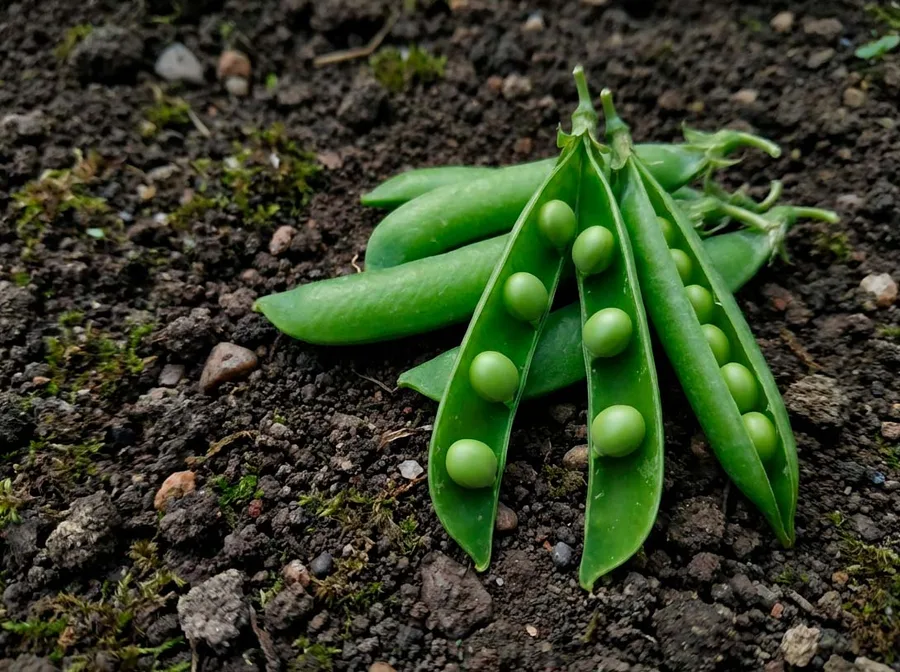
Pisum sativum L. convar. sativum
Pisum sativum L. convar. sativum
Classic shelling peas: only grains are eaten, the bean leaves are hard.
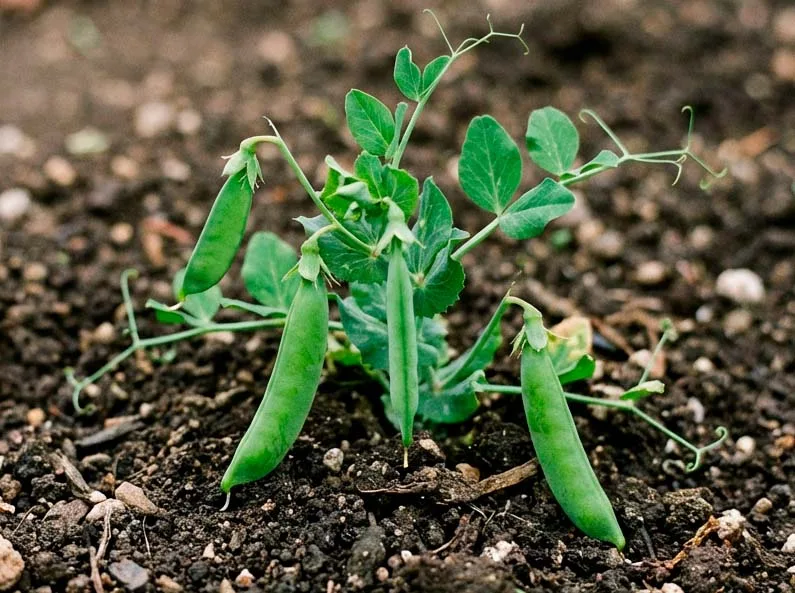
Pisum sativum L. convar. axiphium
Pisum sativum L. convar. axiphium
Sugar varieties: the pods are tender and sweet, without a parchment layer, eaten whole.
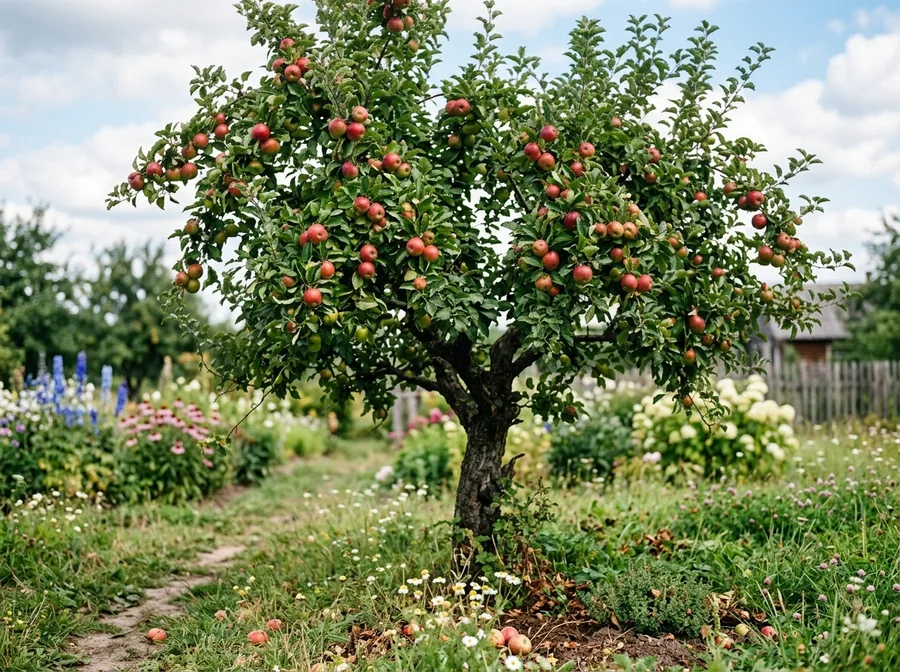
Pear Tree
Pear Tree
The most important fruit crop in the middle zone and south of the CIS. Requires a sunny place, regular pruning and often a pollinator variety; Many varieties are winter-ready and store well.

Pear Tree Konferentsiya
Pyrus communis 'Conference'
Autumn variety: elongated juicy fruits, good universal pollinator for many varieties of the CIS. In the south and in warm regions it bears fruit more consistently than in the north.
Brassicas
White cabbage, cauliflower, broccoli
In section: 6
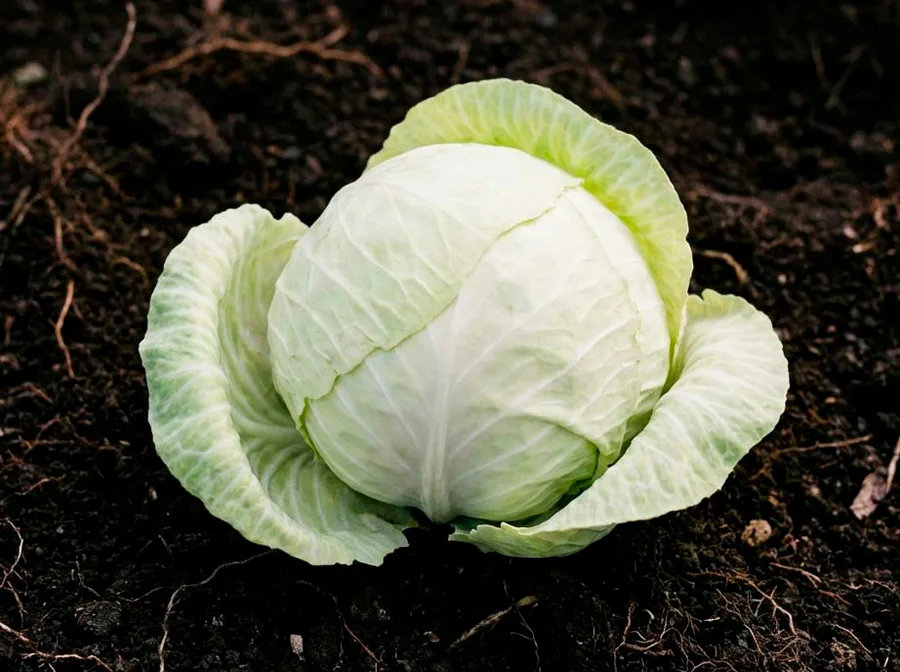
Brassica oleracea var. capitata
Brassica oleracea var. capitata
White cabbage is moisture-loving and requires protection from pests (flea beetles, white cabbage, slugs). For good heads of cabbage, watering, hilling and neutral soil are important.

Brassica oleracea var. italica
Brassica oleracea var. italica
Broccoli is less demanding than cauliflower: it does not require shading and produces lateral heads after cutting the central one.
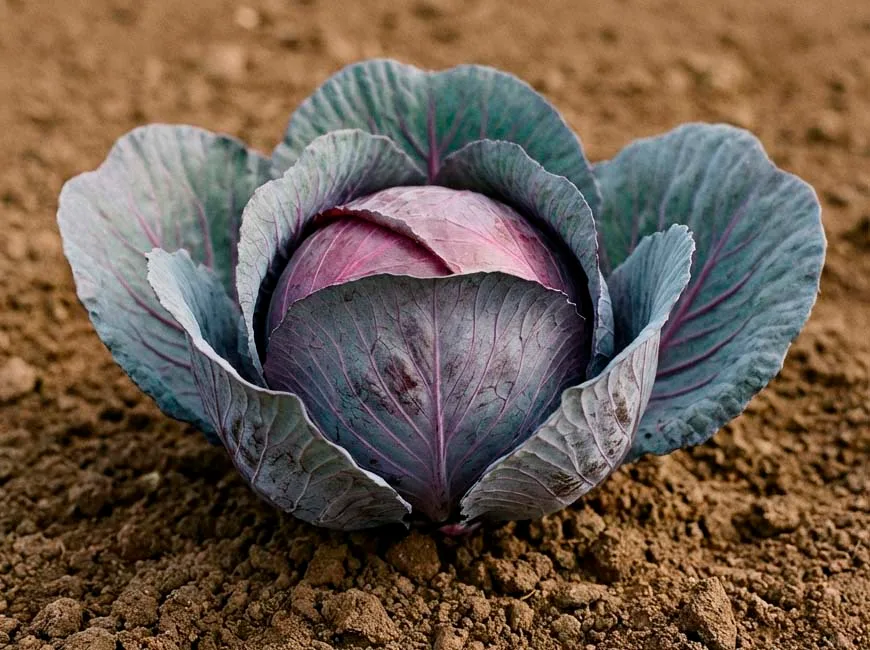
Brassica oleracea var. capitata f. rubra
Brassica oleracea var. capitata f. rubra
Agricultural technology is similar to white cabbage, but the heads of cabbage are more compact and very dense. Stores well in winter, rich in anthocyanins.
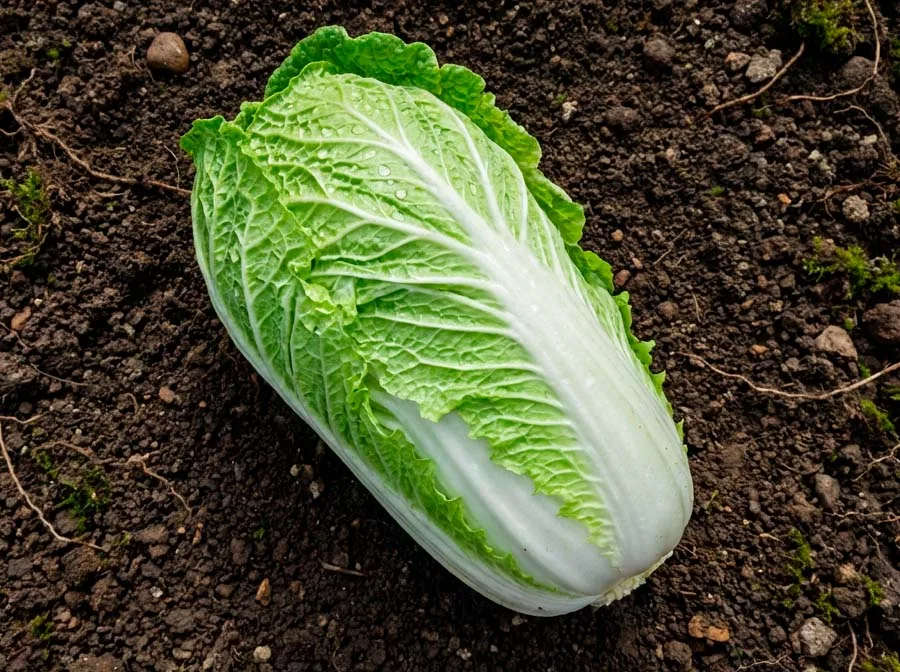
Brassica rapa subsp. pekinensis
Brassica rapa subsp. pekinensis
Early ripening leaf/head cabbage. The main difficulty is to prevent bolting in the heat and long days.
Onions, garlic, salads and more
Vegetables outside of narrow groups
In section: 66
Amaranth
Amaranthus
A versatile plant with nutritious foliage and edible seeds. Grown for leafy greens in salads and as a grain crop. Drought-tolerant and undemanding in temperate climates.
Artichoke 'Green Globe'
Cynara cardunculus var. scolymus 'Зелёный шар'
Artichoke 'Green Globe' — one of the most popular varieties for open ground cultivation. Forms large, compact green heads weighing 100–150 g with a sweetish flavour. Can be grown as an annual (from seedlings) or perennial in mild climates. Harvest in late summer to early autumn.
Artichoke 'Imperial'
Cynara cardunculus var. scolymus 'Императорский'
Artichoke 'Imperial' — a high-yielding variety with a vigorous plant and large heads weighing 120–180 g. Heads have a violet-purple tint with green base, tender texture and pleasant flavour. Well adapted to mild climates and can be grown as a perennial. Harvest July to September.
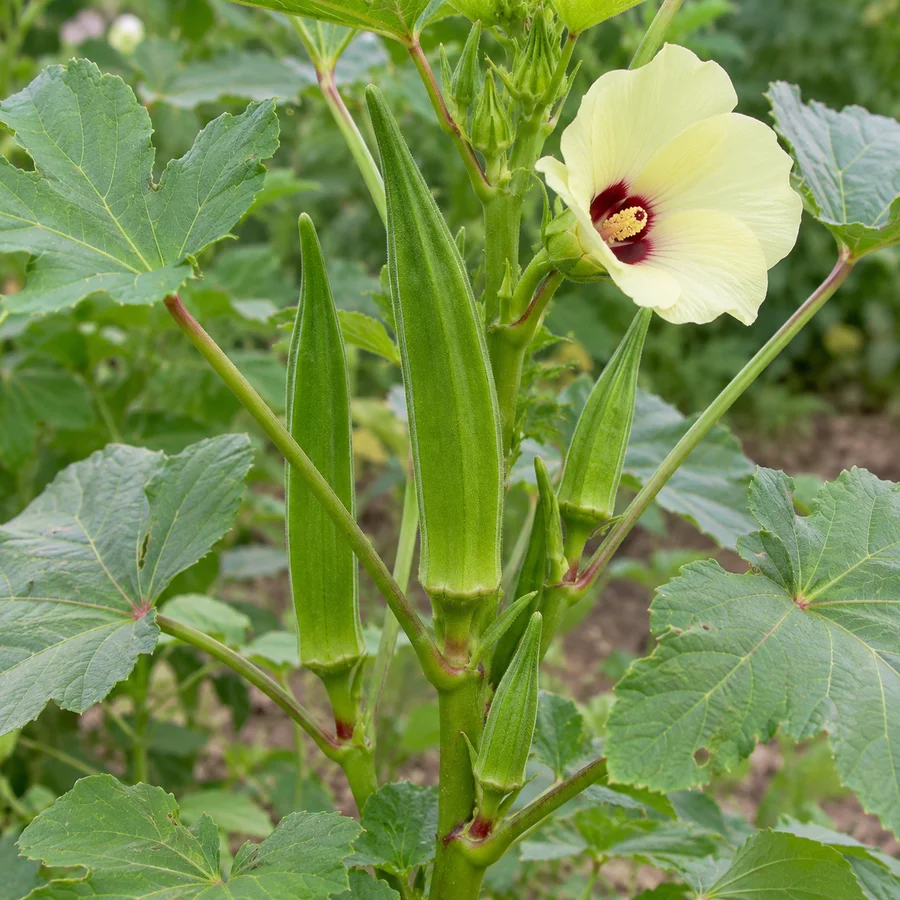
Okra
Abelmoschus esculentus
Annual vegetable rich in vitamins and minerals. Young seed pods (4–8 cm) are harvested before hardening and cooked as a side dish. Heat-loving crop requiring fertile soil and regular watering.
Often in a greenhouse
Tomatoes, peppers, cucumbers, eggplants
In section: 106
Solanum melongena
Solanum melongena
A very heat-loving crop: it requires warmth, careful watering with warm water and the formation of a bush.
Cucumis sativus L. 'Aprelskiy F1'
Cucumis sativus L. 'Aprelskiy F1'
An early short-fruited hybrid, widely represented in the lines of large breeding companies in the CIS: the benchmark until the first fruits is often 40–48 days from germination with warm seedlings. Seller descriptions typically emphasize parthenocarpy (an insect-free harvest), tufted ovaries, and short, smooth or slightly tuberous fruits for salads and canning. Intensive type: Requires consistent watering and trellis when growing vigorously in the greenhouse.

Cucumber Zhuravlenok F1
Cucumis sativus 'Zhuravlenok F1'
A classic bee-pollinated hybrid for open ground. One of the best for pickling.

Cucumis sativus L. 'Zozulya F1'
Cucumis sativus L. 'Zozulya F1'
A parthenocarpic short-fruited hybrid that is very common in the CIS: reviews and seed catalogs note resistance to a number of diseases, pronounced set without bees and a balanced taste without bitterness with normal watering. The fruits are usually described as short, green, with large tubercles - well suited for pickling and fresh consumption. The lash is indeterminate; In a greenhouse, trellising and shaping are common. F1 seeds should be ordered annually.
Flowers and decor
For the garden bed and bouquet
In section: 382
Glossy Abelia
Abelia × grandiflora
Ornamental semi-evergreen shrub with small white and pink flowers gathered in inflorescences. Blooms for a long period from June to October, attracts bees and other pollinators. Unpretentious, grows well in full sun and partial shade.
Floss Flower
Ageratum houstonianum
Floss flower is a low, rounded annual that is covered with fluffy blue-lilac pompons from June until frost. It is ideal for borders, containers and carpet beds and pairs well with yellow and orange flowers. It dislikes cold, wet weather.
Floss Flower 'Alba'
Ageratum houstonianum 'Alba'
Cultivar 'Alba': white flowers, about 25 cm tall. A compact white variety for borders and containers. Floss flower is a low, rounded annual that is covered with fluffy blue-lilac pompons from June until frost. It is ideal for borders, containers and carpet beds and pairs well with yellow and orange flowers. It dislikes cold, wet weather.
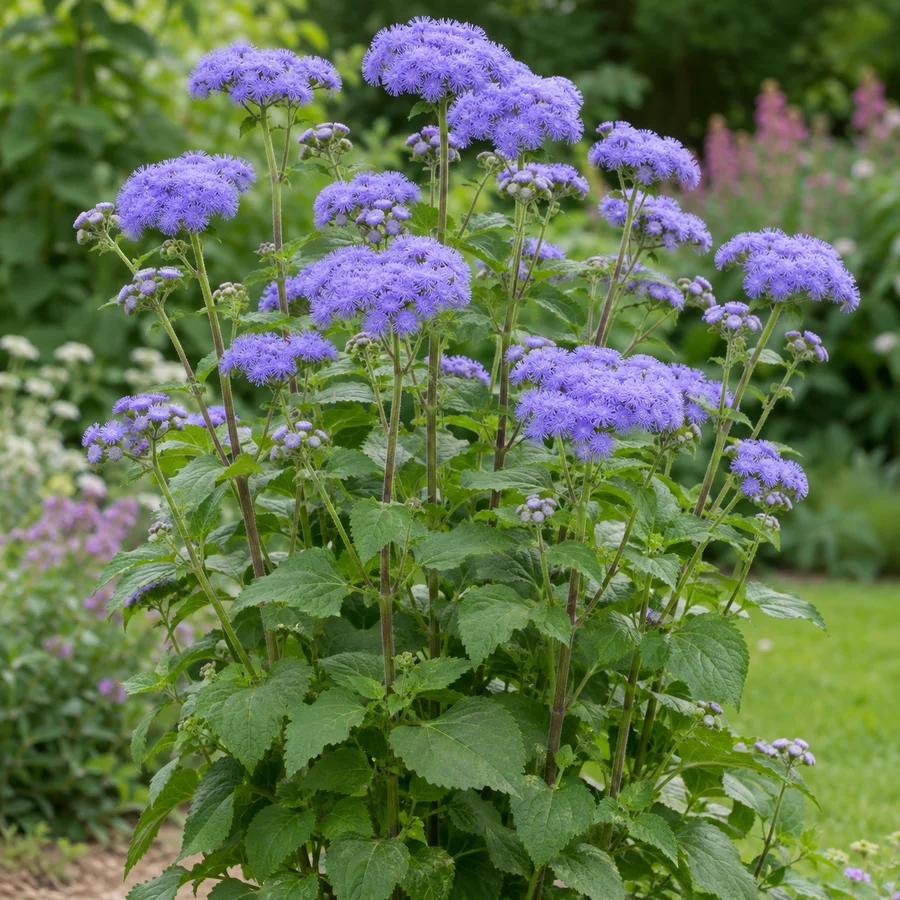
Floss Flower 'Blue Horizon'
Ageratum houstonianum 'Blue Horizon'
Cultivar 'Blue Horizon': blue flowers, about 60 cm tall. A tall cutting variety that lasts well in a vase. Floss flower is a low, rounded annual that is covered with fluffy blue-lilac pompons from June until frost. It is ideal for borders, containers and carpet beds and pairs well with yellow and orange flowers. It dislikes cold, wet weather.
Need a personalized planting plan?
Open the online version of the application or install the mobile application for tasks, planner and reminders.


