Grey Mould: Fuzzy Botrytis on Your Berries
2026-06-19
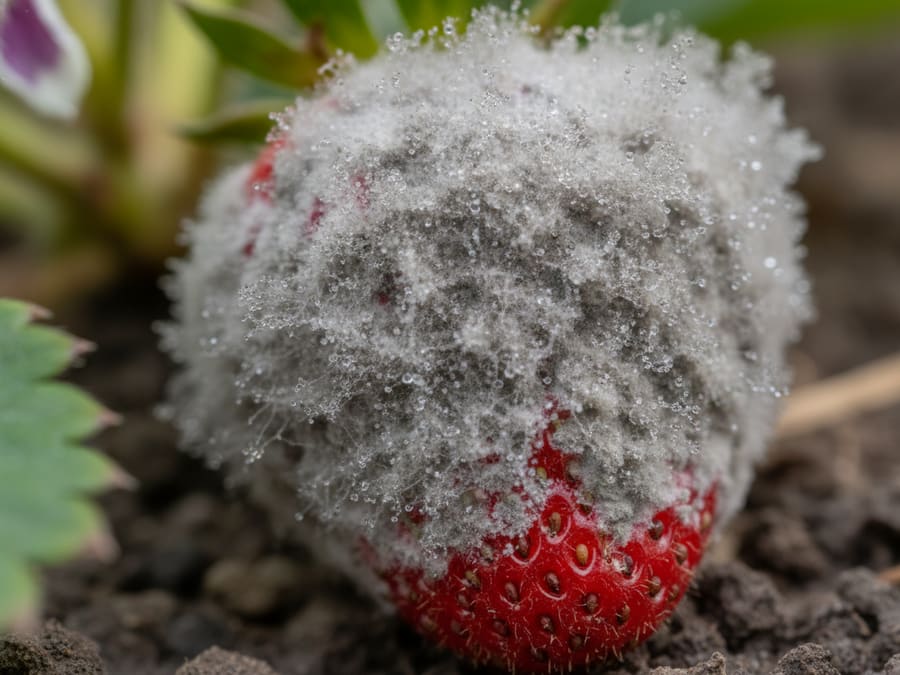
Grey mould is one of the most treacherous diseases in the garden and greenhouse: yesterday your berries looked perfect, and today they're smothered in a distinctive ash-grey fuzz. The culprit is the fungus Botrytis cinerea, whose spores overwinter in soil and plant debris all year long. Let's look at why it flares up and how to stop it spreading before it ruins your harvest.
Grey mould is one of the most treacherous diseases in the garden and greenhouse: yesterday your berries looked perfect, and today they're smothered in a distinctive ash-grey fuzz. The culprit is the fungus Botrytis cinerea, whose spores overwinter in soil and plant debris all year long. Let's look at why it flares up and how to stop it spreading before it ruins your harvest.
What it looks like and why it appears
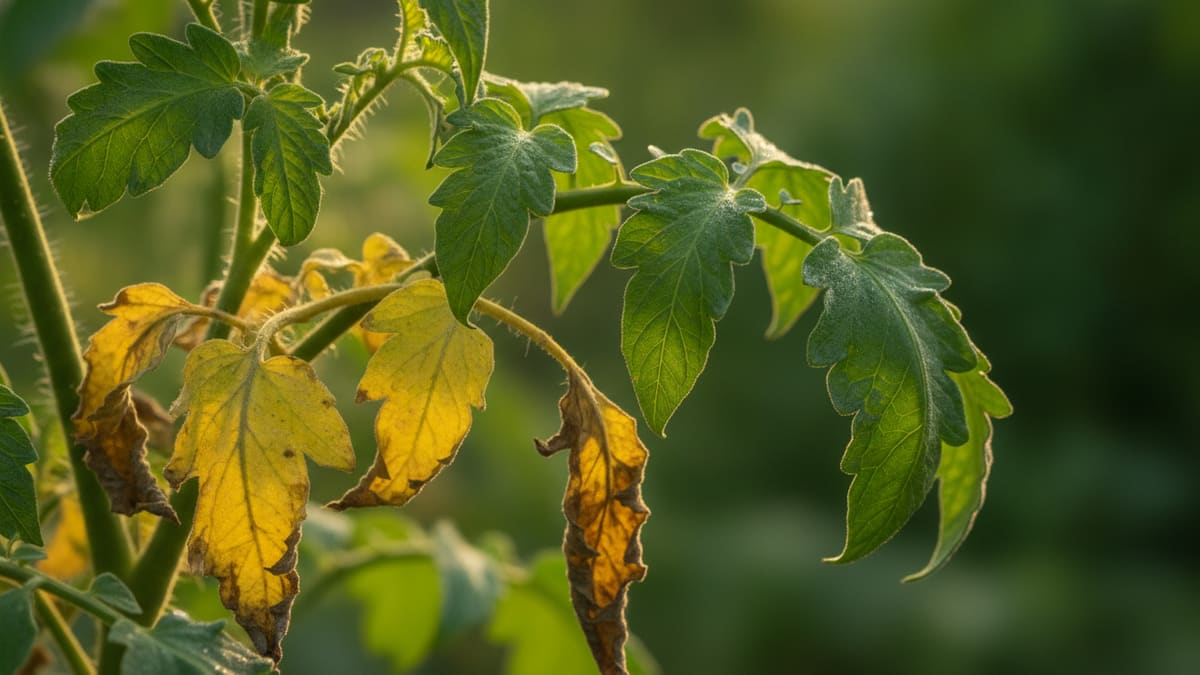
Affected berries, leaves and stems first develop a soft, water-soaked rot, which is then smothered by a dense grey coating packed with spores. The fungus thrives at 15–22 °C with air humidity above 85% — perfect conditions in overcrowded beds and poorly ventilated greenhouses. Any physical damage — rain-induced cracks, pinching cuts, insect wounds — is an open door for infection. On strawberries the disease most often strikes during berry ripening; on grapevines it tends to flare in wet summers during bunch-fill.
Immediate action: remove all affected material
As soon as you spot the grey fuzz, act without delay: carefully cut or pick off every diseased berry, leaf and shoot, avoiding shaking loose spores. Bag the debris and carry it well away from the plot — not to the compost heap and not left nearby. Wipe your tools with alcohol or a chlorine solution (1 tablespoon per 1 litre of water) after each plant, otherwise you'll spread the infection yourself. On strawberries, simultaneously remove the old dried leaves at the base of each crown.
Airflow and thinning
Grey mould hates moving air: in the greenhouse, open the vents every morning as soon as the outdoor temperature reaches 10 °C and keep them open until evening. In dense strawberry plantings, remove surplus runners and yellowing leaves so that no less than 25–30 cm remains between neighbouring crowns. On grapevines at the first sign of disease, thin the leaf canopy around each bunch — opening up the cluster reduces internal humidity by 10–15% and noticeably slows the spread.
Biofungicides and home remedies
Biofungicides based on Bacillus subtilis — such as Fitosporin-M or Alirin-B — have a strong track record for both treatment and prevention. Mix according to the label (typically 1–2 g or 1–2 ml per 1 litre of water) and spray foliage and fruit in the evening when there is no direct sun, repeating every 7–10 days. A home remedy worth trying: baking-soda spray (1 teaspoon bicarbonate of soda + 1 teaspoon liquid soap per 1 litre of water) raises the pH on leaf surfaces and inhibits spore germination. In greenhouses, Gliocladium tablets pressed into the soil at the base of each plant provide additional protection.
Prevention for the next season
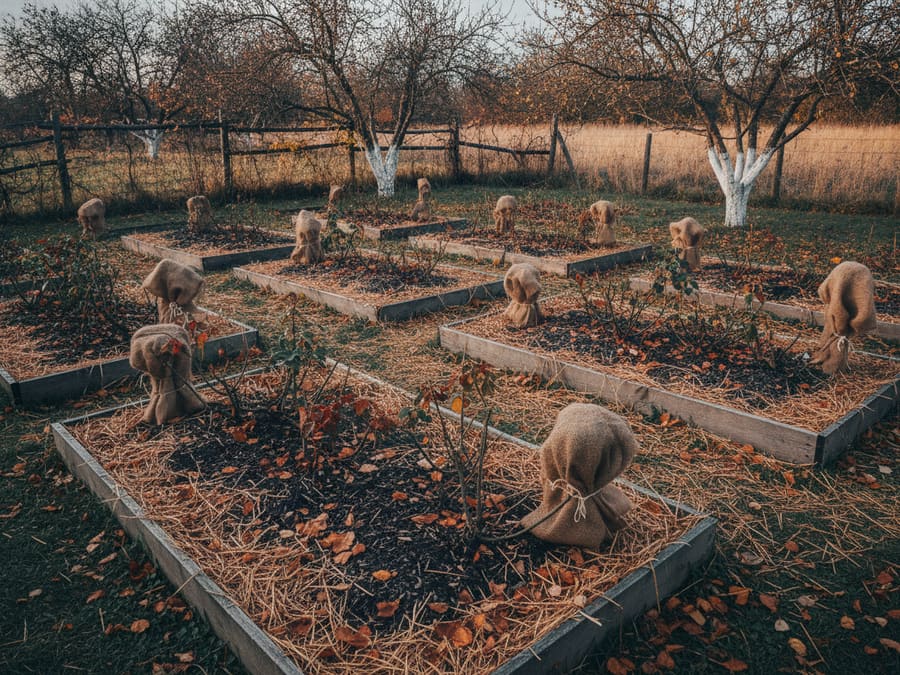
In autumn, clear away plant debris thoroughly — that's where Botrytis cinerea overwinters. Mulch strawberry beds with straw or horticultural fleece so berries never touch the soil and stay drier. When planting greenhouse crops, leave at least 35–40 cm between plants. Next season, rotate your crops — don't return strawberries to the same spot for at least 3–4 years.
Grey mould retreats when you combine three simple things: dry air, enough space between plants, and prompt removal of any infected material. Act at the very first sign and you'll save the bulk of your harvest.