Late Blight on Tomatoes and Potatoes
2026-06-23
Late blight is the most destructive fungal disease in the kitchen garden: within just a few days it can wipe out an entire tomato plant or a whole bed of potato tops. Spotting it early is straightforward — stopping it in its tracks demands speed and a clear plan.
Late blight is the most destructive fungal disease in the kitchen garden: within just a few days it can wipe out an entire tomato plant or a whole bed of potato tops. Spotting it early is straightforward — stopping it in its tracks demands speed and a clear plan.
How to identify the disease
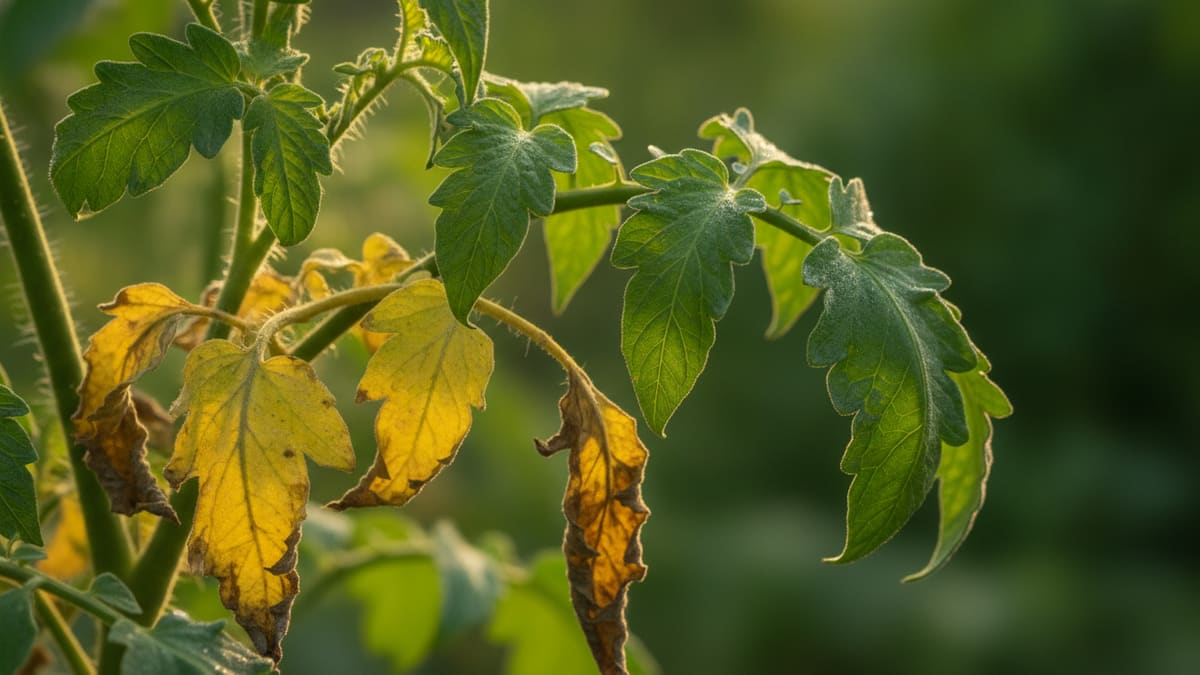
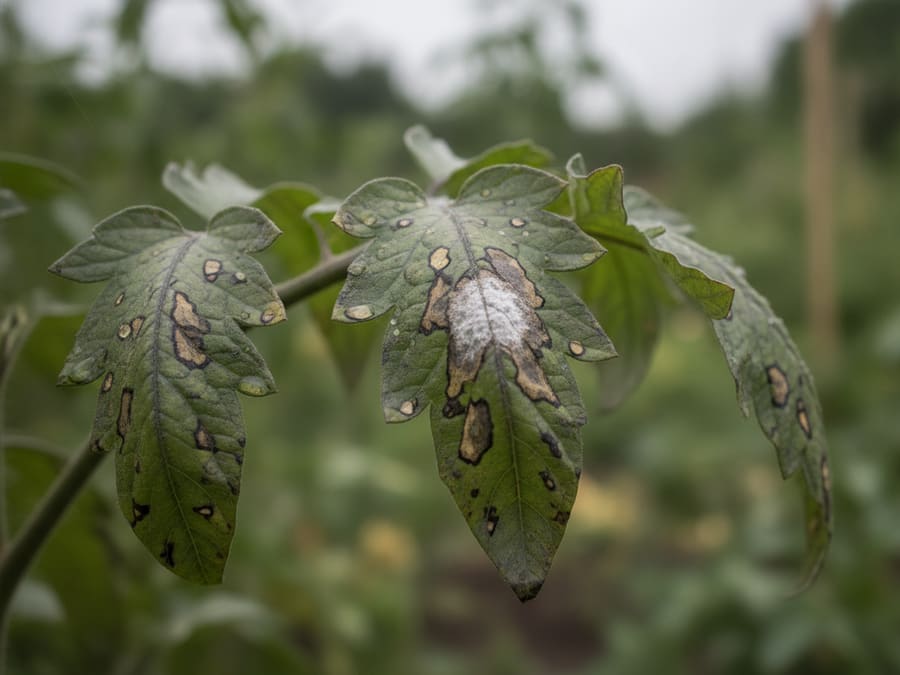
Look for brown, water-soaked blotches with a pale yellow-green border on the leaves; in damp conditions, a white downy coating — the fungal spores — is clearly visible on the underside of the leaf. On tomato fruit, dark brown, firm sunken patches appear and spread quickly across the entire fruit. Potato tops blacken and rot within 3–5 days when temperatures sit at 15–20 °С and humidity exceeds 70%.
Conditions that favour the disease
Late blight thrives in cool (+14…+20 °С), humid weather: overnight mist, prolonged rain, and heavy dew. Overcrowded plantings, poor air circulation, and overhead watering create a perfect breeding ground for spores. The first outbreaks most often appear in late July or early August, when nights begin to cool down.
Prevention: what to do ahead of time
Choose resistant varieties — tomatoes such as 'De Barao', potatoes such as 'Udacha' or 'Nevsky'. Mulch the soil with straw to a depth of 5–7 cm: this prevents soil-borne spores from splashing up onto leaves during rain. Train tomato plants by removing all leaves below 25–30 cm from the ground, and keep at least 40–50 cm between plants. Start preventive sprays with copper-based products (Bordeaux mixture 1%, Oxychom, Ridomil Gold) from July onward, every 10–14 days.
How to save your harvest at the first signs
At the very first spotted leaves, remove and burn all affected foliage — never add it to compost. Spray with a fungicide: Ridomil Gold MZ (25 g per 10 L water), Previcur Energy, or 1% Bordeaux mixture. Repeat after 7 days and again 7 days after that. On tomatoes, speed up ripening: pick fruit as soon as it begins to turn colour and ripen it indoors at +20…+25 °С in a warm, dark spot — late blight will not penetrate a healthy fruit during indoor ripening.
What to do with plant debris at the end of the season
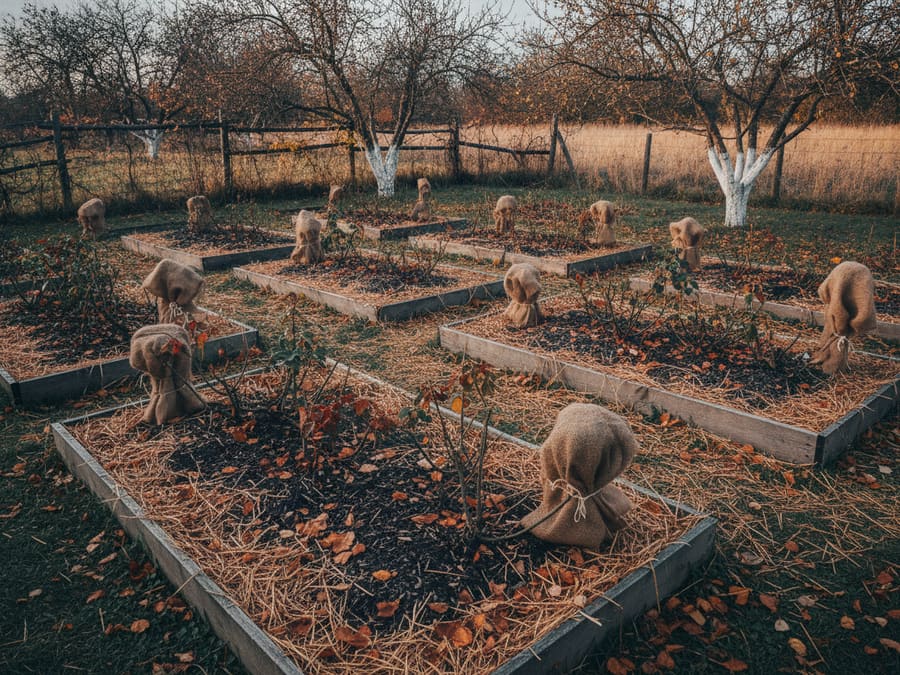
Potato and tomato tops affected by late blight must never go on the compost heap — spores survive for years. Cut the potato tops 10–14 days before harvest: this stops the tubers from becoming infected. Burn all diseased plant material or remove it from the plot entirely. Dig the soil to a depth of 20–25 cm and, if possible, drench the beds with copper sulphate solution (50 g per 10 L water) in autumn.
Late blight defeats those who wait: start prevention in July, act at the very first spots — and even in a rainy year you will save the lion's share of your harvest.