
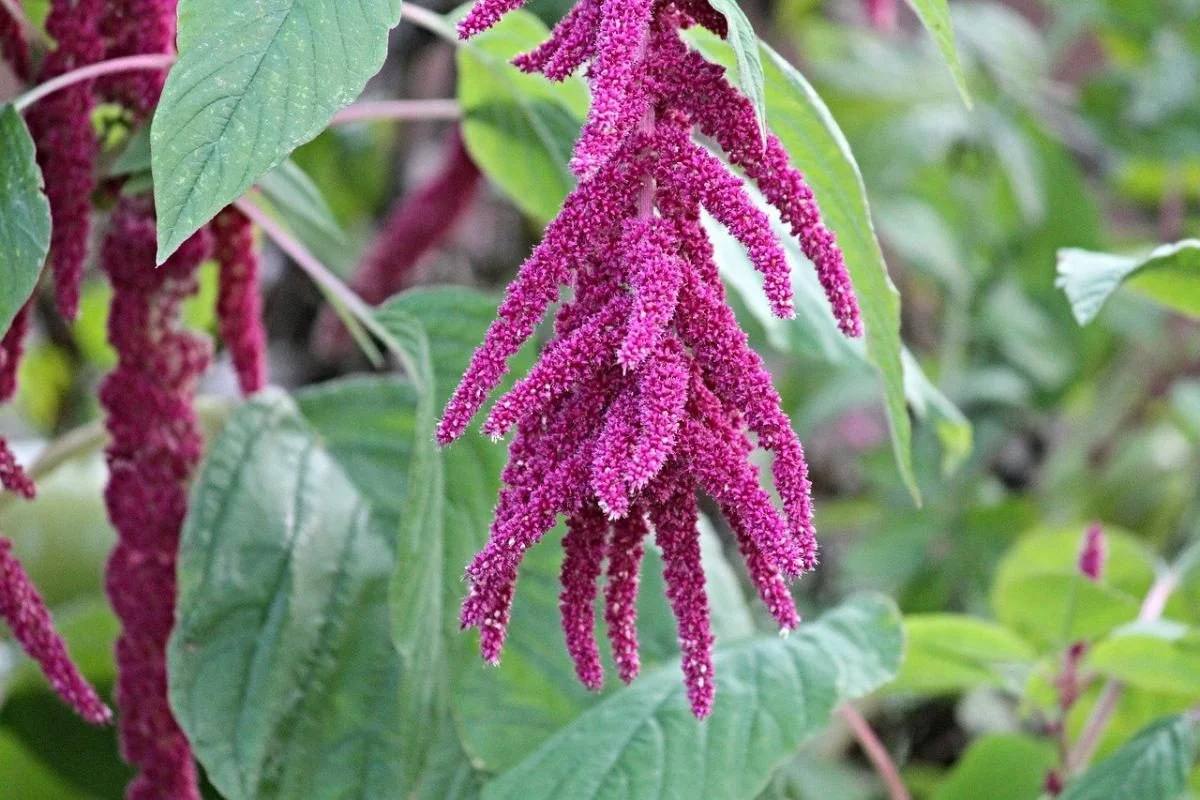
Amaranth
Amaranthus
A versatile plant with nutritious foliage and edible seeds. Grown for leafy greens in salads and as a grain crop. Drought-tolerant and undemanding in temperate climates.
Stages of growth
Planting calendar
How to care
Not required
Maintain substrate moisture at 18-25°C
- •Soak seeds in warm water for 2-3 hours
- •Use a loose peat-sand substrate
Difficulty growing
Suitable for beginners. Minimal maintenance, error-resistant.
Growing conditions
Nice neighbors.
Soil preparation
Planting parameters
💡Preparation Tips
- •Dig the bed to a depth of 25-30 cm
- •Add compost or humus (5-10 kg per m²)
- •If necessary, adjust pH with lime or peat
Frequently asked questions(6)
Sow seeds directly in open ground in late May — early June, after the last frost danger has passed. Alternatively, start indoors in April and transplant seedlings.
Amaranth tolerates partial shade but flowers and seeds more abundantly in full sun (minimum 6-8 hours daily).
Water 2-3 times per week at 20-30 l/m² during active growth. Amaranth is drought-tolerant but young seedlings need regular watering.
Main pests include scale insects, aphids, and spider mites. Treat with insecticidal soap or tobacco infusion. Young plants may be damaged by cutworms.
Cut panicles at full maturity when they turn red and dry. Hang in bundles in a shaded, well-ventilated area for 2-3 weeks. Thresh and sieve seeds. Store in an airtight container at 10-15°C.
Yes, amaranth readily self-seeds. If you wish to prevent spread, cut panicles before seeds fully mature and drop.
Benefits and nutrition
Benefit information coming soon
Do you like the plant card?
In the application you will receive personal tasks and a plan for the season specifically for your garden.