
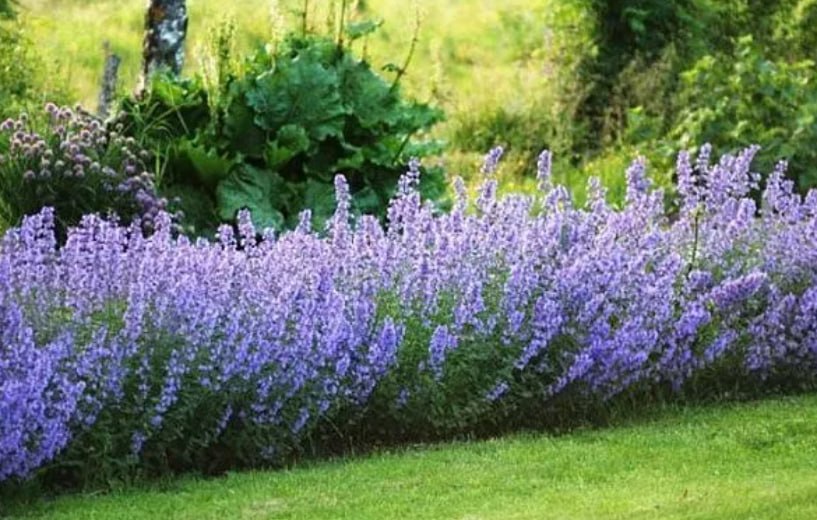
Catnip
Nepeta cataria
Perennial aromatic herb known for its effect on cats. Catnip grows easily in full sun, thrives in temperate climates, and is undemanding about soil conditions. Used as tea, seasoning, and medicinal plant.
Stages of growth
Planting calendar
How to care
Not required
Keep soil moist but not waterlogged
- •Soak seeds for 12 hours before sowing
- •Sow in light potting mix
- •Cover with film to retain moisture
Difficulty growing
Suitable for beginners. Minimal maintenance, error-resistant.
Growing conditions
Nice neighbors.
Soil preparation
Planting parameters
💡Preparation Tips
- •Dig the bed to a depth of 25-30 cm
- •Add compost or humus (5-10 kg per m²)
- •If necessary, adjust pH with lime or peat
Frequently asked questions(6)
Catnip can be planted in open ground in spring (May) or fall (September-October). Seeds for seedlings are sown in March.
Catnip prefers full sun (at least 6-8 hours per day) but can grow in partial shade. Its aroma intensity is higher in full sun.
Water regularly but do not overwater. In hot weather — every 3-5 days, in cooler weather — once per week. The plant is drought-tolerant.
In spring apply nitrogen fertilizer for leaf growth. During summer flowering, use balanced fertilizers or phosphate-potassium supplements for intense blooming.
Catnip is a perennial that overwinters in open ground. Before winter you can cut back stems and mulch plantings. The plant will regrow in spring.
The plant contains essential oils with a compound called nepetalactone that has a stimulating effect on most cats, producing playful and relaxing responses.
Benefits and nutrition
Benefit information coming soon
Do you like the plant card?
In the application you will receive personal tasks and a plan for the season specifically for your garden.