
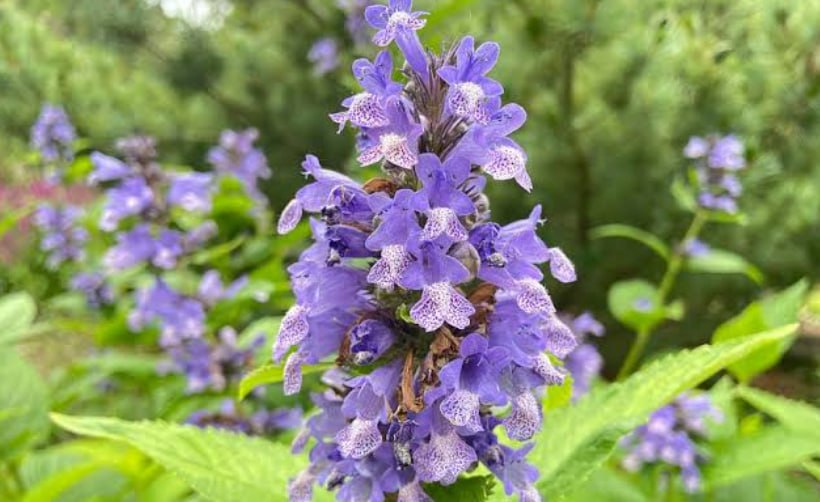
Catnip
Nepeta cataria
A perennial aromatic herb of the Lamiaceae family with a distinctive scent. Leaves and flowers are used in tea, cooking, and as a sleep aid. The plant is extremely popular with cats.
Stages of growth
Planting calendar
How to care
не требуется
Moderate watering, avoid waterlogging
- •Soak seeds for 24 hours to improve germination
- •Use loose substrate of peat and perlite
- •Temperature for germination 18-22°C
Difficulty growing
Suitable for beginners. Minimal maintenance, error-resistant.
Growing conditions
Nice neighbors.
Soil preparation
Planting parameters
💡Preparation Tips
- •Dig the bed to a depth of 25-30 cm
- •Add compost or humus (5-10 kg per m²)
- •If necessary, adjust pH with lime or peat
Frequently asked questions(6)
Plant seeds in spring (March-May) or autumn (September-October). Transplant seedlings to open ground after last frost, when soil warms to 10-12°C.
Water young plants every 2-3 days. Adult plants are more drought-tolerant but require watering 2-3 times a week in hot weather. Soil should be moderately moist.
Catnip prefers sunny spots with partial shade. In full sun, the plant is more aromatic, but in hot climates it can suffer from dryness. Partial shade protects from overheating.
Leaves and flowers are used to make tea, which helps with insomnia and nervous tension. Dry grass is given to cats as entertainment. Used in cooking as an aromatic spice.
Catnip is a frost-hardy plant (zone 3-9). For winter, cut off the aerial parts and mulch the root zone with 5-7 cm of peat or compost. In areas with little snow, covering is critical.
During the growing season, fertilize once every 2-3 weeks with balanced mineral fertilizer or organic matter. Before flowering, use phosphorus-potassium fertilizers to enhance blooming and aroma.
Benefits and nutrition
Benefit information coming soon
Do you like the plant card?
In the application you will receive personal tasks and a plan for the season specifically for your garden.