
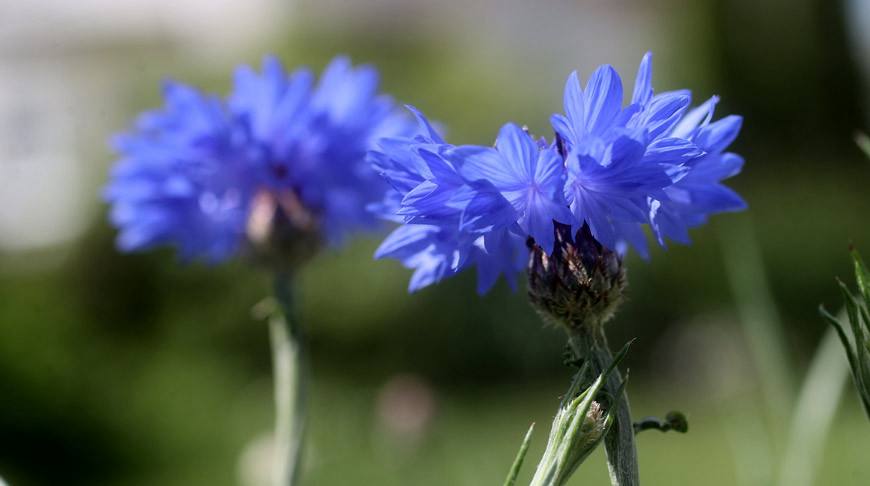
Cornflower
Centaurea cyanus
An annual wildflower with bright blue blooms on long stems. Undemanding, thrives in poor soils, attracts bees and butterflies. Perfect for beds and bouquets.
Stages of growth
Calendar in the garden
How to care
Not required — direct sowing into soil
Moderate watering, soil slightly moist
- •Plant in well-drained soil
- •Don't bury too deep — seeds are small
Difficulty growing
Suitable for beginners. Minimal maintenance, error-resistant.
Growing conditions
Nice neighbors.
Soil preparation
Planting parameters
💡Preparation Tips
- •Dig the bed to a depth of 25-30 cm
- •Add compost or humus (5-10 kg per m²)
- •If necessary, adjust pH with lime or peat
Frequently asked questions(5)
In temperate zones, you can sow seeds directly into soil in April-May or September-October. Seeds are cold-hardy and germinate at +5-10°C. For earlier blooming (May-June), sow in March through seedlings.
During active growth — 2-3 times per week. Cornflower is drought-tolerant and dislikes excess moisture. Water when the top soil layer dries. Increase watering during heat, but ensure water doesn't stand.
Cornflower is undemanding and grows well in poor soil. During the growing season, fertilize every 2-3 weeks with complete mineral or diluted organic fertilizer. During flowering, use fertilizers with high phosphorus (P) and potassium (K) content.
Regularly deadhead spent flowers — this stimulates new buds and extends blooming from June to October. Cut flowers early morning when fully open for bouquets.
Yes, cornflower self-seeds easily. Wait for flower heads to fully dry on the plant, then collect seed pods. Dry them in a cool, well-ventilated place and store in paper bags until next spring.
Role in the garden
Benefit information coming soon
Do you like the plant card?
In the application you will receive personal tasks and a plan for the season specifically for your garden.