Cucumis sativus L. 'Konkurent'
Cucumis sativus L. 'Konkurent'
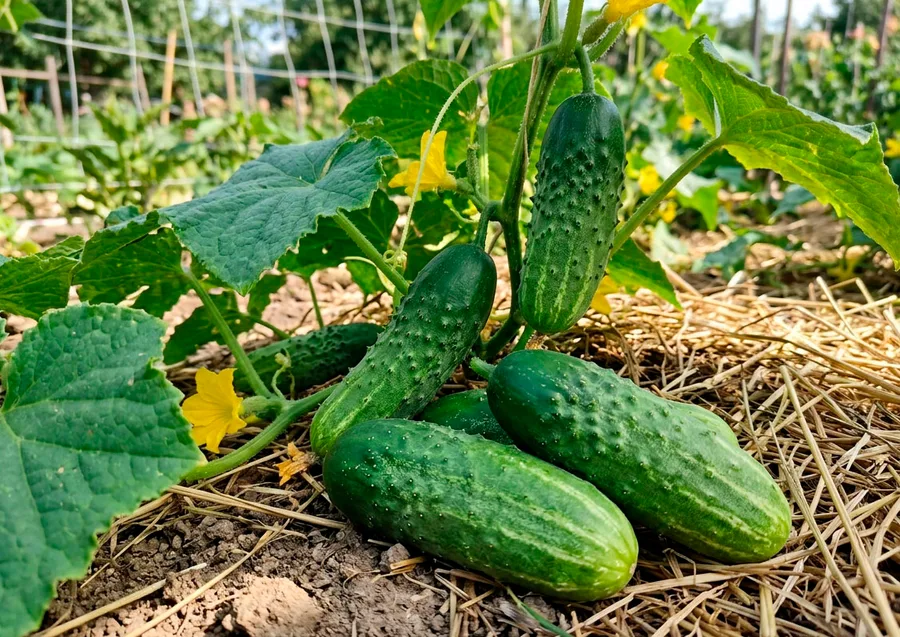
A classic short-fruited universal variety (in the State Register of the Russian Federation for many years): bee-pollinated, therefore, in a dense film greenhouse without insect access, the ovary may be weaker without manual help or blowing. The whip is medium-sized compared to large F1; the fruits are more often described as slightly lumpy, cylindrical, 9–12 cm, dark green, without bitterness under normal watering. Suitable for salads and pickling; remove regularly, otherwise the cucumber will outgrow and inhibit new ovaries.
Stages of growth
Planting calendar
How to care
Uniform humidity before germination; do not overcool the soil
- •For seedlings, use separate containers - the cucumber root does not like the pass.
Difficulty growing
Suitable for beginners. Minimal maintenance, error-resistant.
Growing conditions
Nice neighbors.
Unwanted Neighbors
Soil preparation
Planting parameters
💡Preparation Tips
- •Dig the bed to a depth of 25-30 cm
- •Add compost or humus (5-10 kg per m²)
- •If necessary, adjust pH with lime or peat
Frequently asked questions(3)
A common reason for a bee-pollinated “Competitor” is that there are no pollinators or the greenhouse is closed all the time. Ventilate, attract bees, or hand pollinate with a soft brush on male and female flowers in the morning.
Usually long-term drought, cold roots, overheating of the fruit in the sun, or the genetic background of the variety is under stress. Level out the watering, remove overgrown fruits, and mulch the tree trunk circle.
The variety is not a hybrid, but for the purity of the variety it is better to take seeds from isolated plants according to the description of the method; For sustainable agricultural technology, seeds are often purchased anew.
Benefits and nutrition
Short cucumbers are convenient for pickling and crispy salads; like other vegetables, they supplement the diet with potassium and water while being low in calories.
*The information is for informational purposes only and does not constitute medical advice.
Nutritional value
(per 100 g)| Calories | ~15 kcal | — |
| Water | ~95% | — |
| Potassium | ~145 mg | ~3% DRV (guideline) |
% of daily value
Do you like the plant card?
In the application you will receive personal tasks and a plan for the season specifically for your garden.