
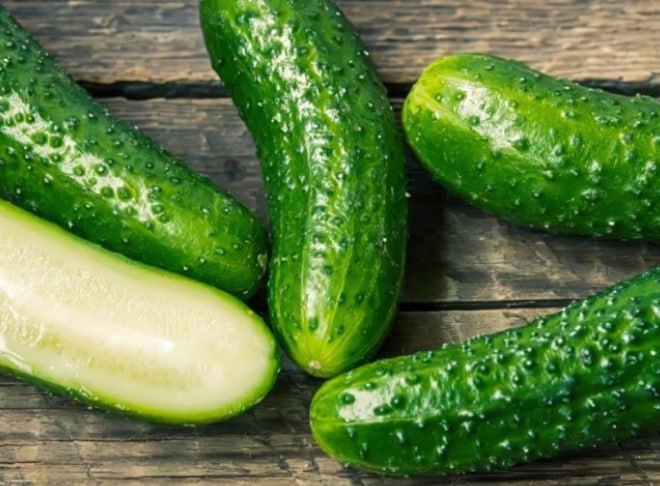
Cucumber Lebelle
Cucumis sativus 'Lebelle'
An early-ripening pickling cucumber variety with excellent taste and firm flesh. Perfect for canning and preserving, produces abundant yields both in open ground and under cover. Resistant to major plant diseases.
Stages of growth
Planting calendar
How to care
Keep soil moist but not waterlogged. Spray daily until seedlings emerge.
- •Soak seeds 2 hours before sowing
- •Use light, nutrient-rich soil
- •Maintain temperature of 22-26°C for germination
Difficulty growing
Suitable for beginners. Minimal maintenance, error-resistant.
Growing conditions
Nice neighbors.
Unwanted Neighbors
Soil preparation
Planting parameters
💡Preparation Tips
- •Dig the bed to a depth of 25-30 cm
- •Add compost or humus (5-10 kg per m²)
- •If necessary, adjust pH with lime or peat
Frequently asked questions(5)
Sow seeds for seedlings in April (in temperate regions) and transplant to open ground in late May or early June after the frost risk passes and soil warms to 12-15°C.
During vegetative growth — 2-3 times per week; during flowering and fruiting — daily or every other day depending on weather. Soil should be moist but not waterlogged. Water at the base, avoiding wetting leaves.
Bitterness occurs due to lack of moisture, temperature fluctuations, or curcumin accumulation. Ensure regular watering, avoid soil drying, and prevent temperature swings. Harvest young fruit (10-15 cm) — they have less bitterness.
Initially — nitrogen (for foliage growth); during flowering and fruiting — phosphorus-potassium. Fertilize every 10-14 days. Organic matter is effective: cow manure or bird guano solution (1:10).
Pick cornichon-size (8-12 cm) or small long cucumbers (up to 15 cm) while still firm and crisp. Harvest every 2-3 days to encourage new fruiting. Lebelle is ideal for pickling due to its thick skin.
Benefits and nutrition
Benefit information coming soon
Do you like the plant card?
In the application you will receive personal tasks and a plan for the season specifically for your garden.