
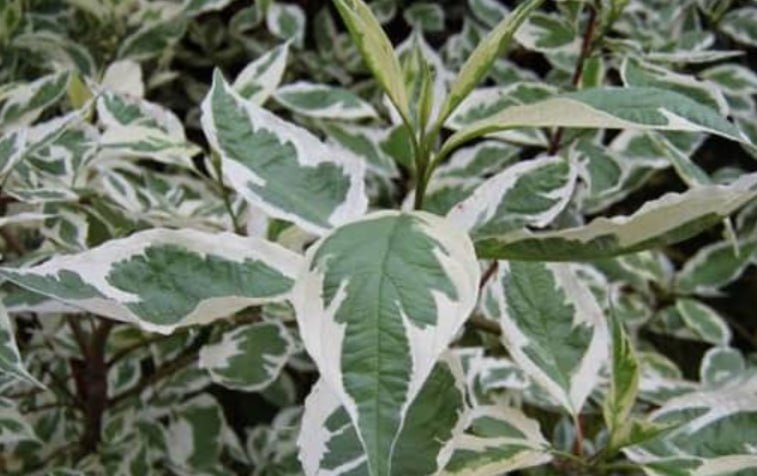
Red-osier Dogwood
Cornus alba
Ornamental shrub with red stems, especially vibrant in winter. Undemanding, fast-growing, tolerates pruning well and can be used in hedges. Flowers are white; in autumn, leaves turn purplish.
Stages of growth
Calendar in the garden
How to care
Abundant watering after planting, then maintain soil moisture
- •Dig a hole 50×50 cm
- •Enrich soil with compost or peat
- •Spring and autumn planting are equally successful
- •Keep root collar at soil level
Difficulty growing
Suitable for beginners. Minimal maintenance, error-resistant.
Growing conditions
Soil preparation
Planting parameters
💡Preparation Tips
- •Dig the bed to a depth of 25-30 cm
- •Add compost or humus (5-10 kg per m²)
- •If necessary, adjust pH with lime or peat
Frequently asked questions(5)
Plant dogwood in early spring (March–April) or autumn (October–November). Both periods are equally good. Young seedlings should root before frost or summer heat arrives.
This is normal. In summer shoots are green; intense red color appears in autumn and is brightest in winter. Spring rejuvenating pruning stimulates young red shoots.
Dogwood tolerates pruning well. In spring (March) prune shrub to 1/3 height to stimulate young shoots. In summer remove weak branches. In autumn perform sanitary pruning of damaged shoots.
Watering: 1–2 times per week in dry weather. Feeding: April through August — once per month with complex fertilizer or organic matter. Dogwood is undemanding but grows more vigorously on rich soils.
Dogwood is frost-hardy to -40°. First-year seedlings are mulched with 10–12 cm layer of peat or compost. Mature shrubs need no protection. Winter shoots are especially decorative due to red coloring.
Role in the garden
Benefit information coming soon
Do you like the plant card?
In the application you will receive personal tasks and a plan for the season specifically for your garden.