
Honeysuckle 'Avrora'
Lonicera caprifolium 'Avrora'
Ornamental climbing honeysuckle 'Avrora' with large bicolor flowers (red outside, yellow inside). Excellent choice for vertical landscaping of pergolas, arches and fences in the middle band of the CIS. Frost-hardy and undemanding.
Stages of growth
Calendar in the garden
How to care
When planting from a container, carefully remove the sapling without breaking the root ball. Spread the roots. Plant at root-collar level, burying it no more than 2-3 cm.
After planting, water abundantly (20-30 l). During the first month, water 2-3 times per week to keep the soil moist but not waterlogged.
- •Give the young plant a sturdy support immediately after planting
- •In the first year, don't let it bloom — pinch off buds for better rooting
- •Mulch the root zone with peat or compost (5-7 cm)
Difficulty growing
Suitable for beginners. Minimal maintenance, error-resistant.
Growing conditions
Soil preparation
Planting parameters
💡Preparation Tips
- •Dig the bed to a depth of 25-30 cm
- •Add compost or humus (5-10 kg per m²)
- •If necessary, adjust pH with lime or peat
Frequently asked questions(5)
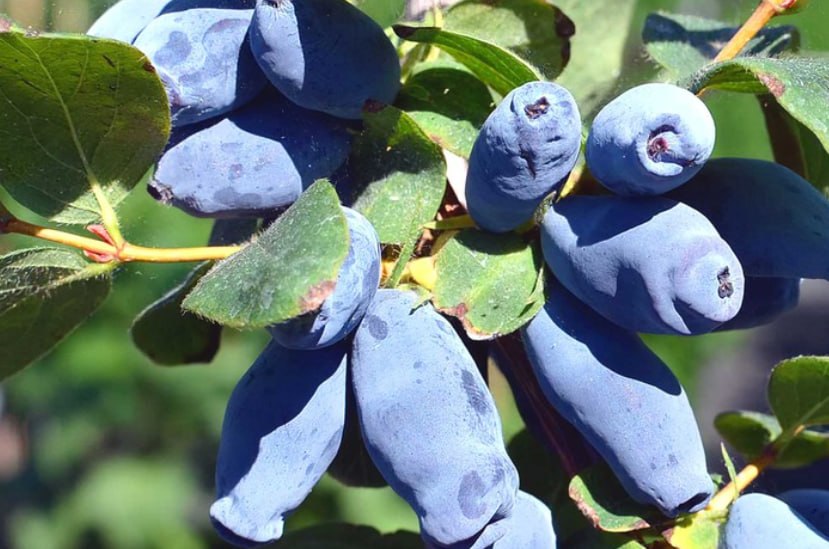
'Avrora' honeysuckle blooms from May through August-September (depending on climate). Peak bloom is June-July. With proper care, a second flush is possible in late summer. After flowering it sets orange-red berries — ornamental but inedible.
Yes, it is a climbing plant. Be sure to install a support (trellis, fence, arch) right at planting. The shoots twine around the support on their own, but young vines are best gently tied with soft twine.
During the growing season, water 2-3 times per week, keeping soil moisture at 60-70%. In hot summers watering can be daily. Reduce watering in autumn and spring. A mature vine tolerates short drought, but flowering weakens.
Yes, very hardy — it withstands winters down to -35°C. However, for the first 2-3 winters young plants are best taken off the support, laid down and covered with spruce branches or fleece. Mature bushes usually need no protection. If shoots freeze back, rejuvenating pruning is done in spring.
Pruning shapes a beautiful dense crown, stimulates abundant flowering and prevents the lower part of the vine from going bare. Young bushes are pruned for branching, mature ones for rejuvenation every 5-6 years. The main pruning is right after flowering or in early spring.
Role in the garden
Benefit information coming soon
Do you like the plant card?
In the application you will receive personal tasks and a plan for the season specifically for your garden.