Hydrangea paniculata
Hydrangea paniculata
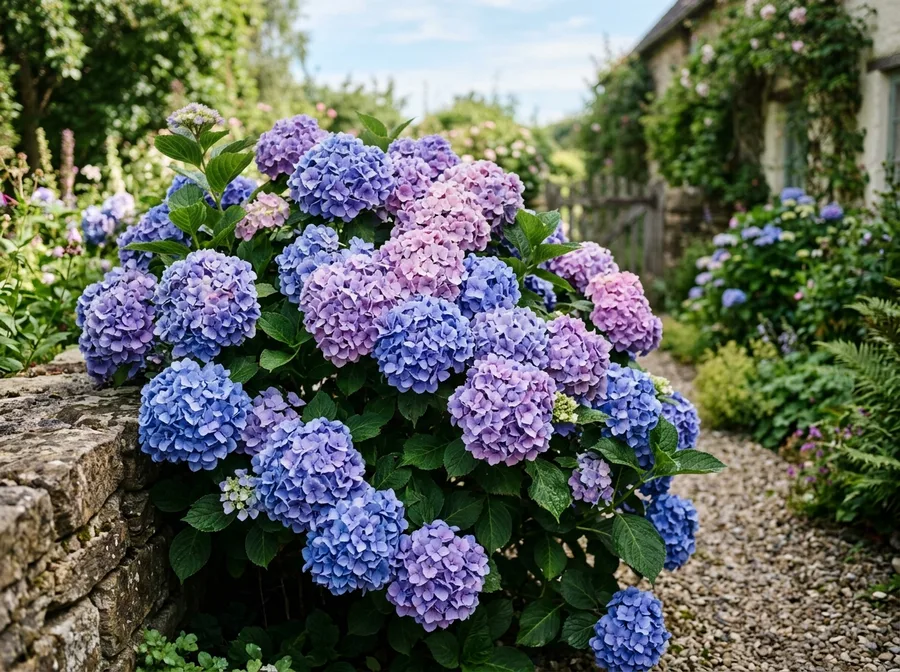
Shrub with large panicle-shaped inflorescences: one of the most unpretentious garden hydrangeas for the middle zone and south of the CIS. It blooms on annual shoots - heavy pruning is done in late winter or early spring; The trunks of an adult bush are not cut off completely without reason. Loves sunny or slightly shaded places, loose, nutritious soil and regular watering during budding and hot weather. Sudden overheating of the roots and wind without watering harm the seedling. The bright blue color from the pH of the soil, as in large-leaved hydrangea, usually does not appear in paniculata - the inflorescences are white or cream and turn pink or red with age in many varieties.
Stages of growth
Calendar in the garden
How to care
At rest, watering is minimal; after thawing - moderate in dry soil
- •Pruning for shape and height is planned before the buds open: weak shoots are removed, last year’s wood is shortened according to the chosen pattern.
- •In the absence of snow retention, a young seedling is mulched with peat or bark.
Difficulty growing
Requires basic knowledge and regular care.
Growing conditions
Nice neighbors.
Unwanted Neighbors
Soil preparation
Planting parameters
💡Preparation Tips
- •Dig the bed to a depth of 25-30 cm
- •Add compost or humus (5-10 kg per m²)
- •If necessary, adjust pH with lime or peat
Frequently asked questions(3)
A common reason is that they were pruned too much/at the wrong time in summer or autumn, heavy shade, excess nitrogen (leaves only), the young seedling is still growing. Check the variety and time of last pruning.
Paniculata has conical inflorescences, blooms on the shoots of the current year, and is usually more frost-resistant. In large-leaved plants, part of the flowering occurs on an old tree, the blue/pink color is more dependent on the pH of the soil, it is more difficult to winter without shelter in cold regions.
There may be chlorosis on alkaline sandy soils, waterlogging, and pests. Check the drainage, pH and moisture of the ball; For chlorosis, iron chelate sometimes helps as recommended.
Role in the garden
Long-term honey-bearing and decorative flowering for the garden; attracts pollinators. Not a food crop.
*For reference: the plant is grown primarily as an ornamental.
Do you like the plant card?
In the application you will receive personal tasks and a plan for the season specifically for your garden.