
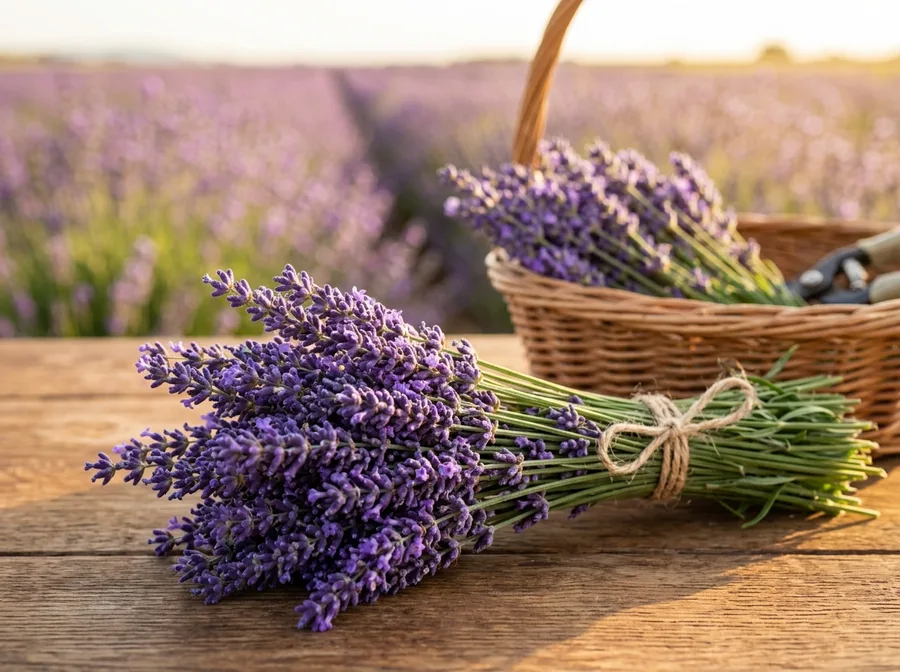
Lavender
Lavender
Perennial subshrub from the Mediterranean. Silver foliage, spikelets with a honey aroma, loved by bees. Drought-resistant and does not like dampness. Ideal for borders and sunny rockeries.
Stages of growth
Calendar in the garden
How to care
The first 2 weeks - once every 5 days, then less often
- •Be sure to cover the first winter with spruce branches
- •Lavender blooms only in the 2nd year - be patient
Difficulty growing
Requires basic knowledge and regular care.
Growing conditions
Nice neighbors.
Soil preparation
Planting parameters
💡Preparation Tips
- •Dig the bed to a depth of 25-30 cm
- •Add compost or humus (5-10 kg per m²)
- •If necessary, adjust pH with lime or peat
Frequently asked questions(4)
English (narrow-leaved) lavender - yes, up to -20° without shelter. French (narrow-minded) - only in the south. Cover young bushes with spruce branches for the first 2–3 years.
Most often: little sun (need at least 6 hours a day), acidic or damp soil, or you have overfed it with nitrogen. Lavender loves “poor” rocky soil and full sun.
Twice: a light cut after flowering (August) and a stronger cut in the spring (April), leaving 5–10 cm of young shoots from the woody base. Old wood doesn't grow back!
Cut the inflorescences in dry weather in the morning, after dew. Tie in small bunches and hang down with flowers in shade and dryness. Ready in 2 weeks.
Role in the garden
Source of essential oil, natural moth and mosquito repellent. Dried inflorescences are used in cupboard sachets and in baked goods. A magnificent honey plant - the bees adore it.
*For reference: the plant is grown primarily as an ornamental.
Do you like the plant card?
In the application you will receive personal tasks and a plan for the season specifically for your garden.