
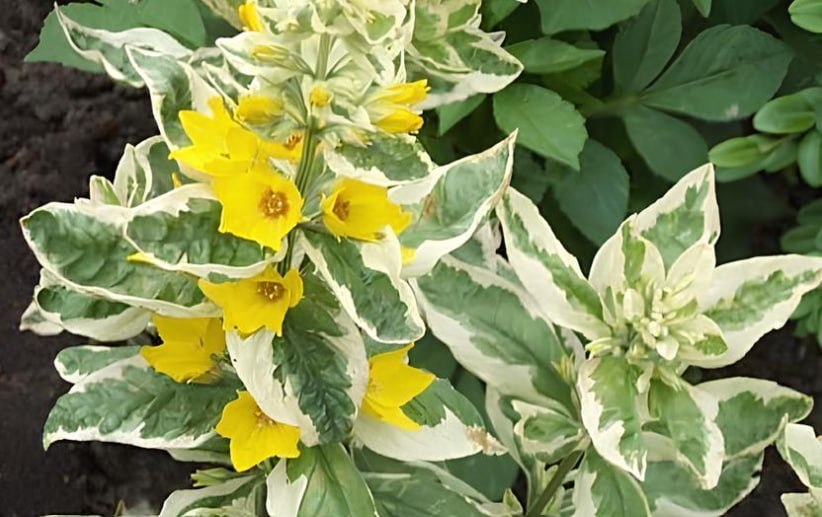
American Skunk Cabbage 'Alexander'
Lysichiton americanus 'Alexander'
Perennial ornamental plant with large leaves and bright yellow spathes resembling curtains. Grows in wet places and boggy soils, ideal for decorating ponds and water bodies in the temperate zone of the CIS region.
Stages of growth
Calendar in the garden
How to care
Not required; the plant is planted immediately in a permanent location in moist soil or shallow pond water.
не требуется
Keep soil constantly moist, but without water stagnation. Soil temperature should be at least 15°C. Avoid drying out the upper layer of soil.
- •Planting is done in spring (April) or fall (September-October).
- •Choose a location near water or in a constantly moist part of the garden.
- •Bury the rhizome 5 cm below ground level.
Difficulty growing
Requires basic knowledge and regular care.
Growing conditions
Soil preparation
Planting parameters
💡Preparation Tips
- •Dig the bed to a depth of 25-30 cm
- •Add compost or humus (5-10 kg per m²)
- •If necessary, adjust pH with lime or peat
Frequently asked questions(5)
Alexander Lysichiton is best planted in spring (April) or fall (September-October) in moist soils or shallow pond water. Spring planting is preferable in regions with harsh winters, as the plant will be able to establish roots before the cold arrives.
Alexander Lysichiton prefers partial shade and tolerates shading well. Direct midday sun can cause leaf burn. In northern regions, it can grow in sun if soil remains constantly moist.
The plant requires constant moisture — watering 2-3 times a week or presence in shallow water (5-10 cm). Soil should always be moist, but not waterlogged. On hot days, daily watering may be necessary.
The plant can be propagated in two ways: by dividing the rhizome (in spring or fall, divide the plant into 2-3 pieces with buds) and by seeds (sow fresh-collected seeds in peat soil in spring). Rhizome division is the most reliable method.
In fall, lightly trim the aboveground part, leaving 10-15 cm. Cover the rhizome with a thick layer of peat or leaves (10-15 cm) to protect from frost. If the plant grows near a pond, ensure the rhizome doesn't freeze by submerging it under ice.
Role in the garden
Benefit information coming soon
Do you like the plant card?
In the application you will receive personal tasks and a plan for the season specifically for your garden.