
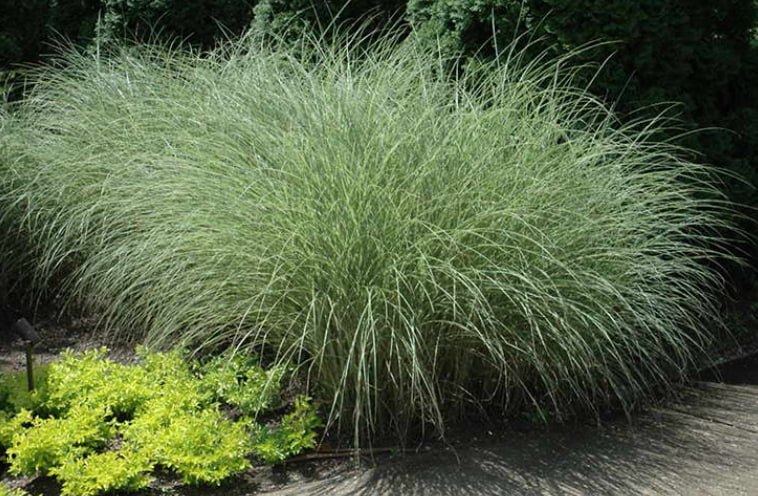
Miscanthus
Miscanthus × giganteus
A decorative perennial grass with elegant plumes and narrow leaves that change color from green to golden in autumn. Highly ornamental, requires infrequent watering and feeding, ideal for creating focal points in the garden and providing wind protection.
Stages of growth
Calendar in the garden
How to care
Transplant to soil when 2-3 true leaves appear and soil temperature reaches +10°C
Maintain soil moisture without waterlogging. Soil should be slightly moist but not wet.
- •Use loose soil for better aeration
- •Sow in late February to early March
- •Cold stratification of seeds improves germination
Difficulty growing
Suitable for beginners. Minimal maintenance, error-resistant.
Growing conditions
Nice neighbors.
Soil preparation
Planting parameters
💡Preparation Tips
- •Dig the bed to a depth of 25-30 cm
- •Add compost or humus (5-10 kg per m²)
- •If necessary, adjust pH with lime or peat
Frequently asked questions(5)
Plant miscanthus from late April through May, when soil warms to +10°C, or in September. Spring planting is preferable as it gives the root system time to establish before winter.
Miscanthus is undemanding. It grows in sun and partial shade but develops best ornamental qualities in well-lit locations. Soil should be well-draining, loamy or sandy loam, pH 6.0-7.5. It does not tolerate waterlogging.
During active growth (May–August), water 1-2 times per week, daily during dry periods. Established plants are quite drought-tolerant. After establishment, watering can be reduced.
In late October to November, cut stems to 10 cm above ground. If the clump has grown large, divide it into sections. Mulch the root zone with fallen leaves or straw to 10–15 cm — this protects the plant in severe winters.
Miscanthus responds well to feeding. During the growing season, fertilize with complex mineral fertilizer every 2 weeks; from August switch to phosphate-potassium fertilizers. On fertile soils, one spring application may suffice.
Role in the garden
Benefit information coming soon
Do you like the plant card?
In the application you will receive personal tasks and a plan for the season specifically for your garden.