Monarda (Bee Balm)
Monarda
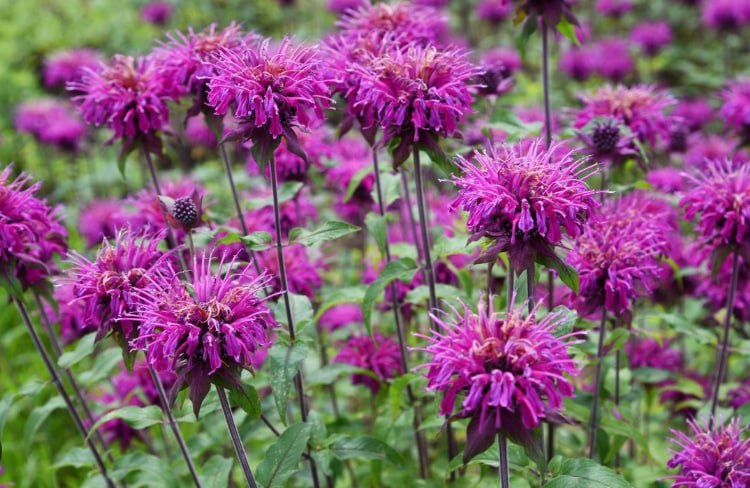
Monarda is a perennial with vibrant fluffy flowers and aromatic foliage. Attracts bees and butterflies, excellent nectar plant. Low-maintenance, spreads quickly, used in landscaping and as a cut flower.
Stages of growth
Calendar in the garden
How to care
Once every 2-3 weeks
universal fertilizer, compost
Moderate watering 2-3 times per week, avoid waterlogging
- •Mulch soil around the base with a 5 cm layer to retain moisture
- •Ensure the location has good drainage
- •Shade young plants for the first 2-3 weeks
Difficulty growing
Suitable for beginners. Minimal maintenance, error-resistant.
Growing conditions
Nice neighbors.
Soil preparation
Planting parameters
💡Preparation Tips
- •Dig the bed to a depth of 25-30 cm
- •Add compost or humus (5-10 kg per m²)
- •If necessary, adjust pH with lime or peat
Frequently asked questions(5)
Plant monarda in spring (April-May) or fall (September-October). Best with young plants or divisions in spring. Sow seeds in March-April for seedlings or directly in soil after last frost.
Monarda divides easily in spring or fall — separate into 2-3 sections with 2-3 buds each. Can also grow from seed via seedlings or direct sowing in May. Cuttings root in water or moist sand.
In spring (foliage growth) use nitrogen-rich fertilizers, in summer (blooming) use phosphorus-potassium types. Fertilize weekly or bi-weekly with dilute solution. Organic matter (compost) in fall improves soil.
This is powdery mildew — a fungal disease. Causes: excess moisture, poor air circulation, crowded plants. Treatment: remove affected leaves, improve ventilation, spray fungicide (copper sulfate, sulfur) or biological product. Prevention: don't overwater, space properly.
Monarda is hardy to -30°. After flowering, cut stems to 10 cm, mulch with 5-10 cm layer (peat, wood chips, leaves). In harsh winters without snow or heavy soil, loss is possible — mulching is essential. In spring, gradually remove mulch.
Role in the garden
Benefit information coming soon
Do you like the plant card?
In the application you will receive personal tasks and a plan for the season specifically for your garden.