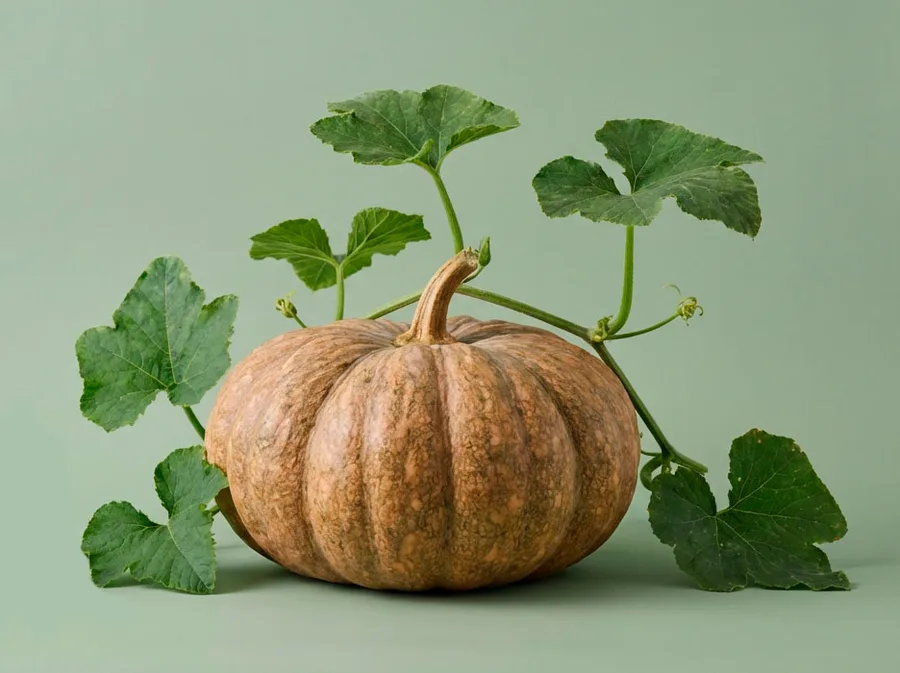
Cucurbita maxima
Cucurbita maxima
The largest and longest-lasting pumpkins. They require a lot of space and the formation of lashes.
Stages of growth
Planting calendar
How to care
- •Seedlings: April 10–20
- •Landing: May 15–20
- •Seeds for film: May 10–15
Difficulty growing
Requires basic knowledge and regular care.
Growing conditions
Nice neighbors.
Unwanted Neighbors
Soil preparation
Planting parameters
💡Preparation Tips
- •Dig the bed to a depth of 25-30 cm
- •Add compost or humus (5-10 kg per m²)
- •If necessary, adjust pH with lime or peat
Frequently asked questions(8)
Large-fruited pumpkin seedlings begin to be grown in April–April. Planting in the ground or greenhouse is carried out in May–May. Optimum temperature for growth: Requires warmth and sun. Before planting, it is recommended to harden the seedlings for 7–10 days.
Large-fruited (winter) pumpkin requires regular watering, especially during the period of active growth and fruit formation. Water with warm water at the root, avoiding getting on the leaves. Lighting conditions: full sun. In hot weather, watering is increased; in cool weather, watering is reduced. Mulching helps retain moisture in the soil.
Large-fruited (winter) pumpkin grows best in fertile, well-warmed soils rich in organic matter (humus). Optimal acidity (pH): Neutral. Before planting, it is recommended to add compost or humus. Planting pattern: 90 cm or more between holes (climbing forms). Good drainage is important to prevent water stagnation.
Large-fruited pumpkin (winter) grows well next to: corn, bush beans, nasturtium. Unwanted neighbors: potatoes. These plants may inhibit growth or attract common pests. Proper proximity helps protect against pests and improve yields.
The large-fruited pumpkin harvest is harvested in September–October. Regular collection stimulates the formation of new fruits. Do not overexpose the crop in the garden - this reduces the overall yield and quality.
Large-fruited (winter) pumpkin is of average difficulty in growing. If you follow the basic rules of agricultural technology, it gives a good harvest. Suitable for gardeners with basic experience.
The main problems when growing large-fruited pumpkins: fungal diseases (powdery mildew, late blight), aphids, spider mites. For prevention, observe crop rotation (do not plant large-fruited pumpkin in one place for 2 years in a row), provide good ventilation, and water at the root. At the first signs of illness, use biological products (Fitosporin, Trichodermin).
The harvested pumpkin crop is stored in a cool, dark place. Before storing, sort them - use damaged fruits first. Optimal storage temperature: 2–5°C at 85–90% humidity. Under suitable conditions, pumpkin remains fresh for several weeks.
Benefits and nutrition
Dietary product with carotene, vitamin C, pectin and iron. Good for the heart and liver.
*The information is for informational purposes only and does not constitute medical advice.
Nutritional value
(per 100 g)| Peculiarity | High keeping quality | - |
% of daily value
Do you like the plant card?
In the application you will receive personal tasks and a plan for the season specifically for your garden.