
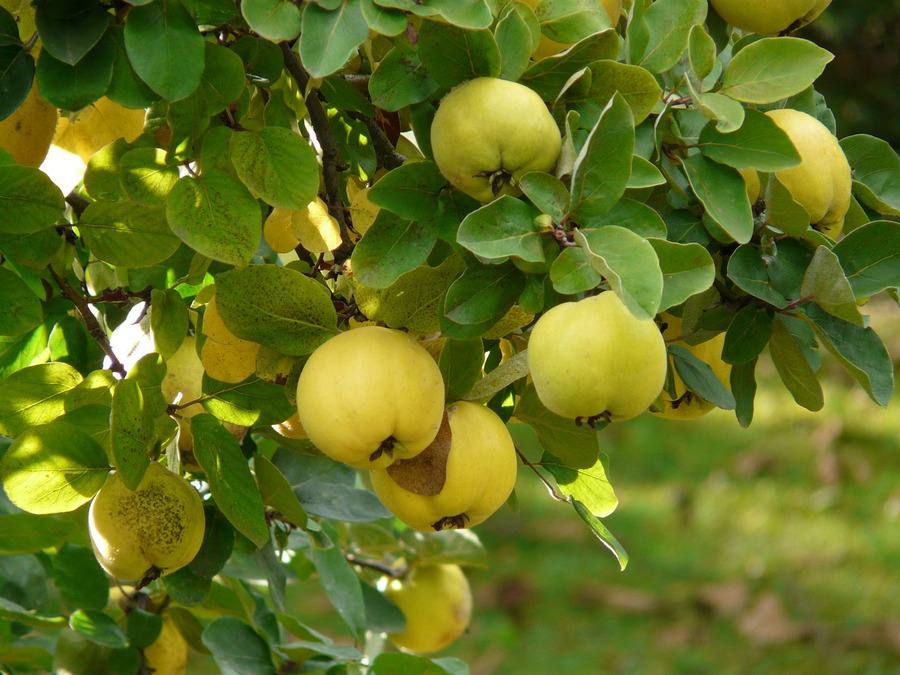
Common Quince
Cydonia oblonga
Quince is a medium-height fruit tree renowned for its large, fragrant yellow fruits. The fruits are rich in pectin and are used for jams, compotes, and marmalades. The tree is hardy, cold-resistant, and grows well in temperate climates across Eastern Europe and beyond.
Stages of growth
Planting calendar
How to care
Plant in spring or autumn in a prepared hole with compost
at planting time
compost
Abundant watering after planting, but without water stagnation
- •Spread the root system in the hole
- •Fill the hole with soil and compost mixture
Difficulty growing
Suitable for beginners. Minimal maintenance, error-resistant.
Growing conditions
Nice neighbors.
Soil preparation
Planting parameters
💡Preparation Tips
- •Dig the bed to a depth of 25-30 cm
- •Add compost or humus (5-10 kg per m²)
- •If necessary, adjust pH with lime or peat
Frequently asked questions(5)
Quince is best planted in spring (March-April) or autumn (October-November). Autumn planting is preferred in regions with mild climates, spring planting in areas with severe winters.
In the first year after planting, water weekly with 10-15 liters per tree. Mature trees are watered less often - during dry weather or prolonged drought. During fruiting, water regularly.
Quince begins to fruit in the 3-4th year after planting a seedling. Maximum yield is achieved by the 7-8th year of the tree's life.
In spring apply nitrogen fertilizers for leaf growth, in summer - phosphorus and potassium for fruit formation. In autumn add manure or compost for root nutrition.
Yes, perform formative pruning in spring to create a beautiful crown and remove damaged branches. In summer remove excess shoots, in autumn do sanitary pruning before winter.
Benefits and nutrition
Benefit information coming soon
Do you like the plant card?
In the application you will receive personal tasks and a plan for the season specifically for your garden.