
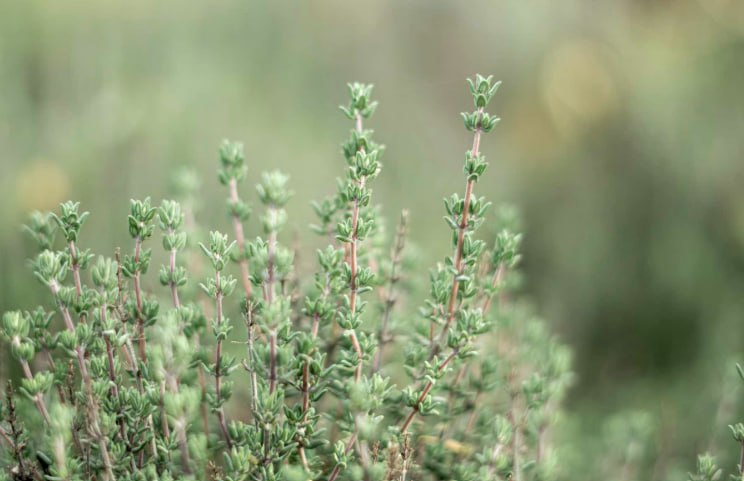
Thymus
Thymus vulgaris
An aromatic ground cover that works as a “protector” in mixed plantings and masks the smell of vegetables.
Stages of growth
Planting calendar
How to care
Keep soil moist but not waterlogged
- •Soak seeds for 2-3 hours before sowing
- •Use light, loose seedling soil
- •Maintain temperature at 18-20°C
Difficulty growing
Suitable for beginners. Minimal maintenance, error-resistant.
Growing conditions
Nice neighbors.
Soil preparation
Planting parameters
💡Preparation Tips
- •Dig the bed to a depth of 25-30 cm
- •Add compost or humus (5-10 kg per m²)
- •If necessary, adjust pH with lime or peat
Frequently asked questions(5)
Thyme is sown in March-April for seedlings indoors. Seeds are pre-soaked for 2-3 hours. They germinate at 18-20°C within 10-15 days.
Thyme prefers dry conditions. Water no more than once a week. Excess moisture leads to root rot. In summer it can tolerate drought.
Harvest leaves from June through September in dry weather. Cut the top 5-7 cm of shoots with secateurs or scissors. Best harvested in the morning after dew dries. Dry in bunches in a well-ventilated area.
Thyme is frost-hardy (down to -10°C) and overwinters in open ground. Can be mulched with dry leaves or peat to a depth of 5-10 cm for winter. In harsh winters, young plants can be covered with spunbond.
Thyme is undemanding and grows on poor soils. Fertilize once every 2-3 weeks with diluted universal fertilizer or compost. Avoid excess nitrogen (reduces aroma).
Benefits and nutrition
Contains thymol and essential oils, repels pests with a strong smell.
*The information is for informational purposes only and does not constitute medical advice.
Do you like the plant card?
In the application you will receive personal tasks and a plan for the season specifically for your garden.