Asparagus Bean
Vigna unguiculata
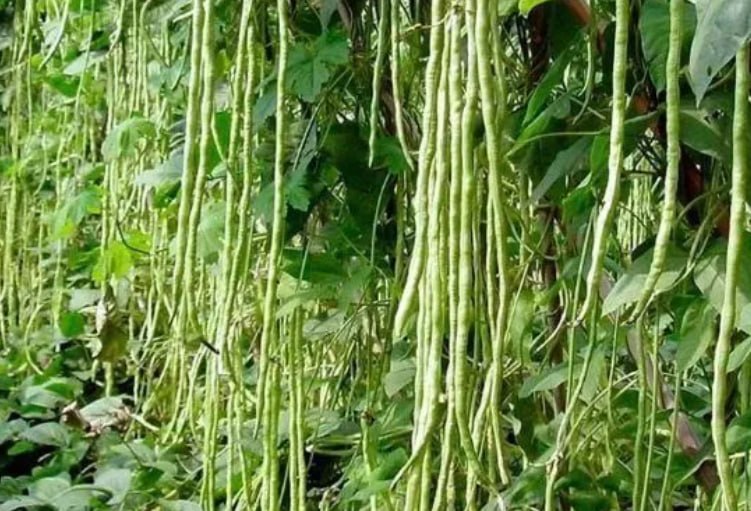
Heat-loving legume crop, relative of black-eyed pea, with long pods and small nutritious beans. Unpretentious, early-maturing, gives generous harvests even in cool summers.
Stages of growth
Planting calendar
How to care
Not required before sowing. Seeds can be soaked in water for 12 hours before sowing to accelerate germination.
- •Check seed viability by soaking in warm water
- •Select large, undamaged seeds for sowing
Difficulty growing
Suitable for beginners. Minimal maintenance, error-resistant.
Growing conditions
Nice neighbors.
Unwanted Neighbors
Soil preparation
Planting parameters
💡Preparation Tips
- •Dig the bed to a depth of 25-30 cm
- •Add compost or humus (5-10 kg per m²)
- •If necessary, adjust pH with lime or peat
Frequently asked questions(5)
Sow vigna in late May to early June, when soil warms to +18°C and frost danger has passed. The crop is heat-loving and does not tolerate cold. In southern regions, sowing can be done in mid-May.
Water regularly — 2–3 times per week in the absence of rain. During flowering and pod set, water daily or every other day, maintaining soil moisture at 60–70%. In hot weather, increase watering frequency.
Vigna responds well to complex fertilizers. Use manure solution, urea solution, or complex mineral fertilizers (10–10–10) once every 2–3 weeks. During flowering, switch to fertilizers with higher potassium content. Excessive nitrogen promotes leaf growth at the expense of fruiting.
There are bush varieties of vigna that do not require support and grow as a compact bush 40–50 cm tall. Climbing varieties require support 1.5–2 m high. Choose the variety based on available space in your garden.
Young pods are harvested at technical maturity, when they reach 8–12 cm in length and remain soft and succulent. They should snap easily when bent. Ripe beans are used for drying and storage. Regular harvesting of young pods stimulates the formation of new ones.
Benefits and nutrition
Benefit information coming soon
Do you like the plant card?
In the application you will receive personal tasks and a plan for the season specifically for your garden.