
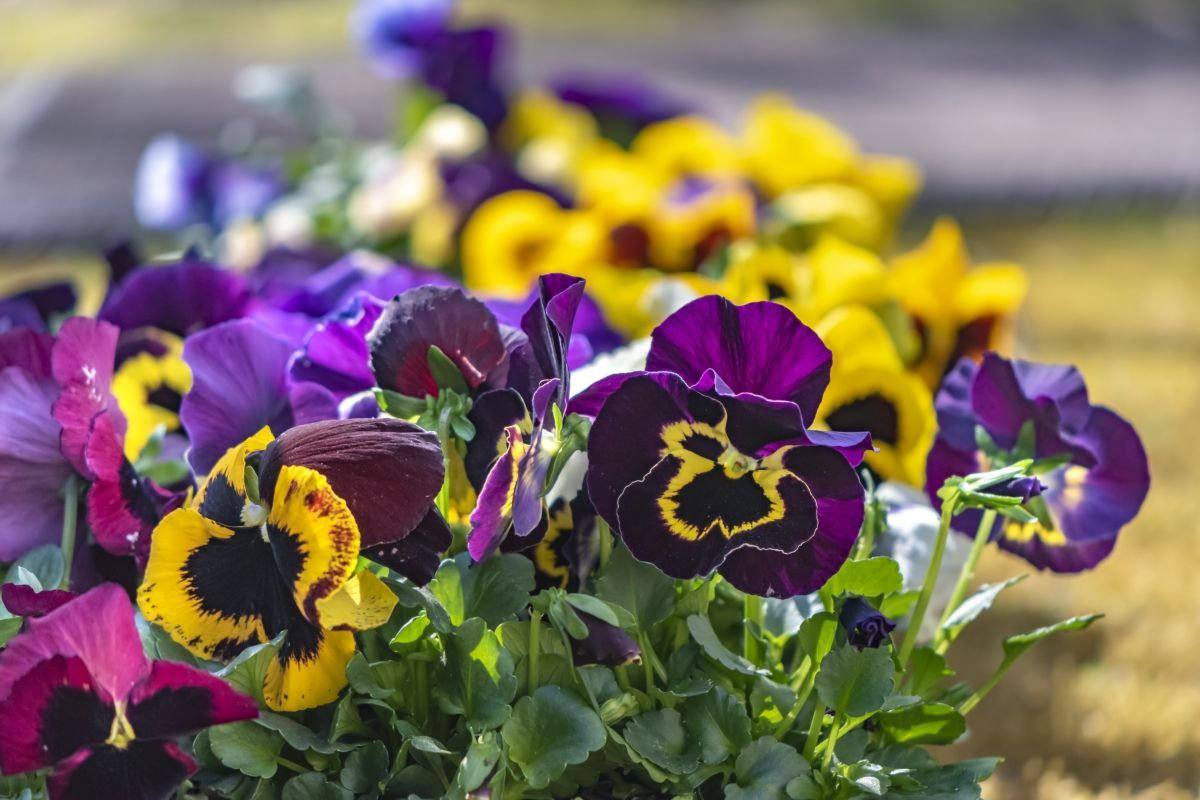
Pansy
Viola
Unpretentious, vibrant flowers with a distinctive spot on the petals. They bloom from early spring to late autumn. Ideal for flowerbeds, balconies and borders.
Stages of growth
Calendar in the garden
How to care
Not required
Не подкармливай на этом этапе
Keep soil moist but not waterlogged. Spray with a mister
- •Viola seeds may germinate more slowly at high temperatures (above 20°C)
- •Best to sow at temperatures of 15-18°C
- •Ventilate seedlings to prevent mold
Difficulty growing
Suitable for beginners. Minimal maintenance, error-resistant.
Growing conditions
Nice neighbors.
Soil preparation
Planting parameters
💡Preparation Tips
- •Dig the bed to a depth of 25-30 cm
- •Add compost or humus (5-10 kg per m²)
- •If necessary, adjust pH with lime or peat
Frequently asked questions(5)
Violas can be planted in open ground in early spring (February-March) or late summer (August-September) for fall blooming. Sow seeds for seedlings 6-8 weeks before planting. In the south, fall planting is preferred for blooming during cool season.
Causes: lack of light (need at least 6 hours of sun), high temperature (viola prefers cool 15-20°C), excess nitrogen (foliage instead of flowers) or overwatering. Remove spent flowers to encourage new blooming.
Under favorable conditions (cool, moist, good light) viola blooms from April-May through October-November. Blooming is interrupted in hot weather (July-August) but resumes when it cools down.
Use balanced fertilizer (NPK 10-10-10 or similar) once every 2-3 weeks. Avoid excess nitrogen. During flowering, prefer fertilizers with higher phosphorus and potassium content for abundant buds.
Most viola varieties tolerate frosts down to -10°C. However, in northern or cold regions, it is better to cover with leaves for winter. In mild climates it can overwinter in open ground.
Role in the garden
Benefit information coming soon
Do you like the plant card?
In the application you will receive personal tasks and a plan for the season specifically for your garden.


