
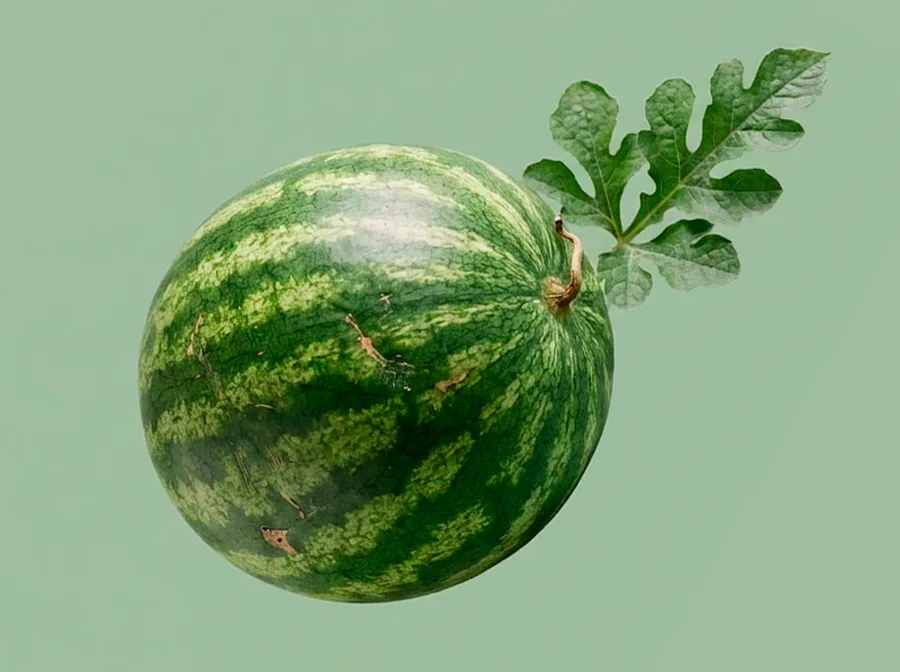
Citrullus lanatus
Citrullus lanatus
A crop with a deep root system that can tolerate drought better than other vegetables, but is critical to heat. In the middle zone - through seedlings in greenhouses.
Stages of growth
Planting calendar
How to care
- •End of April (20–30th) - sowing seeds
- •Growing in pots for about 30 days
Difficulty growing
For experienced gardeners. Requires special conditions and attention.
Growing conditions
Nice neighbors.
Soil preparation
Planting parameters
💡Preparation Tips
- •Dig the bed to a depth of 25-30 cm
- •Add compost or humus (5-10 kg per m²)
- •If necessary, adjust pH with lime or peat
Frequently asked questions(8)
Watermelon seedlings begin to be grown in April-April. Planting in the ground or greenhouse is carried out in May–May. Optimum temperature for growth: Requires a long warm period; does not tolerate frost. Before planting, it is recommended to harden the seedlings for 7–10 days.
Watermelon requires regular watering, especially during the period of active growth and fruit formation. Water with warm water at the root, avoiding getting on the leaves. Lighting conditions: full sun. In hot weather, watering is increased; in cool weather, watering is reduced. Mulching helps retain moisture in the soil.
Watermelon grows best in light, well-warmed soils with a deep root system. Optimal acidity (pH): Neutral or slightly acidic. Before planting, it is recommended to add compost or humus. Planting Pattern: Requires plenty of space for vines. Good drainage is important to prevent water stagnation.
Watermelon grows well next to: climbing beans, bush beans. Proper proximity helps protect against pests and improve yields.
The watermelon harvest is harvested in August–September. Regular collection stimulates the formation of new fruits. Do not overexpose the crop in the garden - this reduces the overall yield and quality.
Watermelon is a demanding crop that needs careful care. Recommended for experienced gardeners. It is important to strictly observe the temperature regime, watering and fertilizing.
The main problems when growing watermelon: fungal diseases (powdery mildew, late blight), aphids, spider mites. For prevention, observe crop rotation (do not plant a watermelon in one place for 2 years in a row), provide good ventilation, and water at the root. At the first signs of illness, use biological products (Fitosporin, Trichodermin).
The harvested watermelon is stored in a cool, dark place. Before storing, sort them - use damaged fruits first. Optimal storage temperature: 2–5°C at 85–90% humidity. Under the right conditions, watermelon stays fresh for several weeks.
Benefits and nutrition
Juicy dessert culture. The red pulp is rich in lycopene and vitamins.
*The information is for informational purposes only and does not constitute medical advice.
Nutritional value
(per 100 g)| Peculiarity | Drought resistant, deep root system | - |
% of daily value
Do you like the plant card?
In the application you will receive personal tasks and a plan for the season specifically for your garden.