
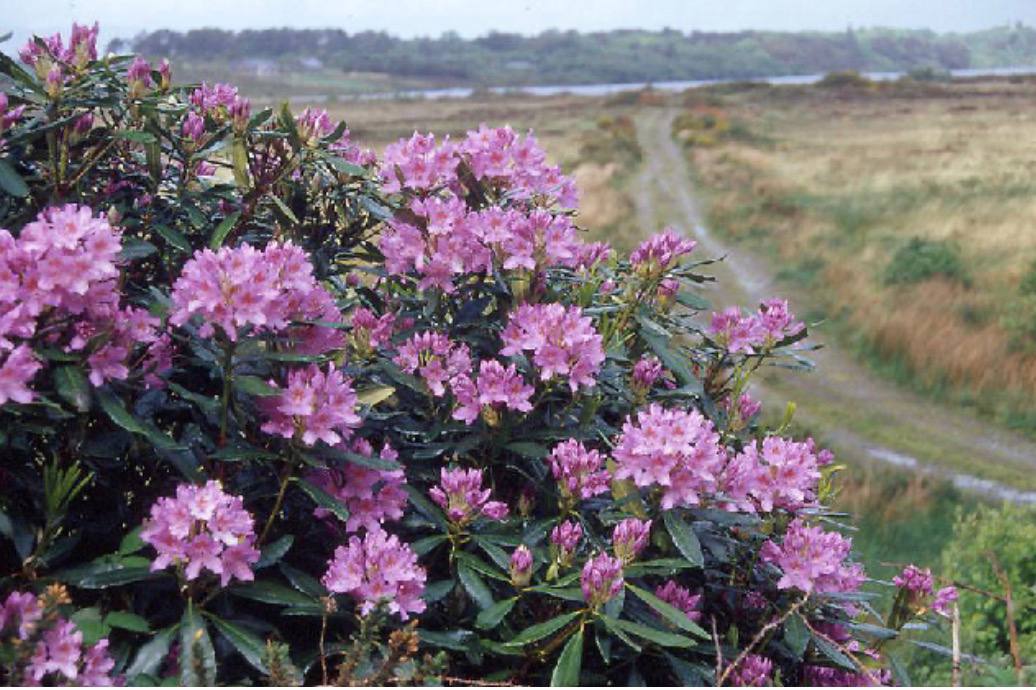
Rhododendron
Rhododendron
An evergreen shrub with large flower clusters that bloom in spring. Cold-hardy species suited to CIS climates require acidic soil and light shade. Ideal for alpine gardens and landscaping.
Stages of growth
Calendar in the garden
How to care
Plant in acidic soil (pH 4.5–5.5) with the addition of peat, coniferous litter, and humus. Root collar strictly at soil level. Hole 1.5 times larger than seedling root ball.
Generous watering immediately after planting (15–20 l per shrub). Soil should be moist but not waterlogged. Mulching with peat (5–7 cm) retains moisture.
- •Avoid planting in chalky, alkaline soils
- •Do not bury the root collar — this causes rot
- •Plant in spring (April–May) or fall (September–October)
Difficulty growing
Requires basic knowledge and regular care.
Growing conditions
Nice neighbors.
Unwanted Neighbors
Soil preparation
Planting parameters
💡Preparation Tips
- •Dig the bed to a depth of 25-30 cm
- •Add compost or humus (5-10 kg per m²)
- •If necessary, adjust pH with lime or peat
Frequently asked questions(5)
For the Moscow region and central Russia, recommended varieties include: 'Grandiflorum', 'Nova Zembla', 'Roseum Elegans', 'Catawba Hybrid', and 'Virginian Rhododendron'. All withstand freezes to -30°C and require shelter only in severe winters.
This is a normal protective reaction of the plant to severe frost. At temperatures below -20°C, leaves curl to reduce water loss. After warming, they return to normal appearance. This does not indicate plant death.
First, change soil acidity by adding peat, coniferous litter, and humus. Then use special rhododendron fertilizers (e.g., 'Fertika for Rhododendron') or dissolve citric acid in water (1 tsp per 10 l water) for irrigation. Avoid fertilizers with lime and dolomite.
Rhododendrons bloom once per year, from late April to early June (depending on variety and climate). The flowering period lasts 2–4 weeks. After removing spent flower clusters, the plant begins setting flower buds for the next year.
Rhododendrons do not require drastic pruning. Spring sanitary pruning (removal of dead branches) and deadheading of spent flowers are sufficient. Formative pruning is done rarely and only if the shrub becomes too large.
Role in the garden
Benefit information coming soon
Do you like the plant card?
In the application you will receive personal tasks and a plan for the season specifically for your garden.