Guides3 min
Когда сажать рассаду томатов: простой календарь для огорода
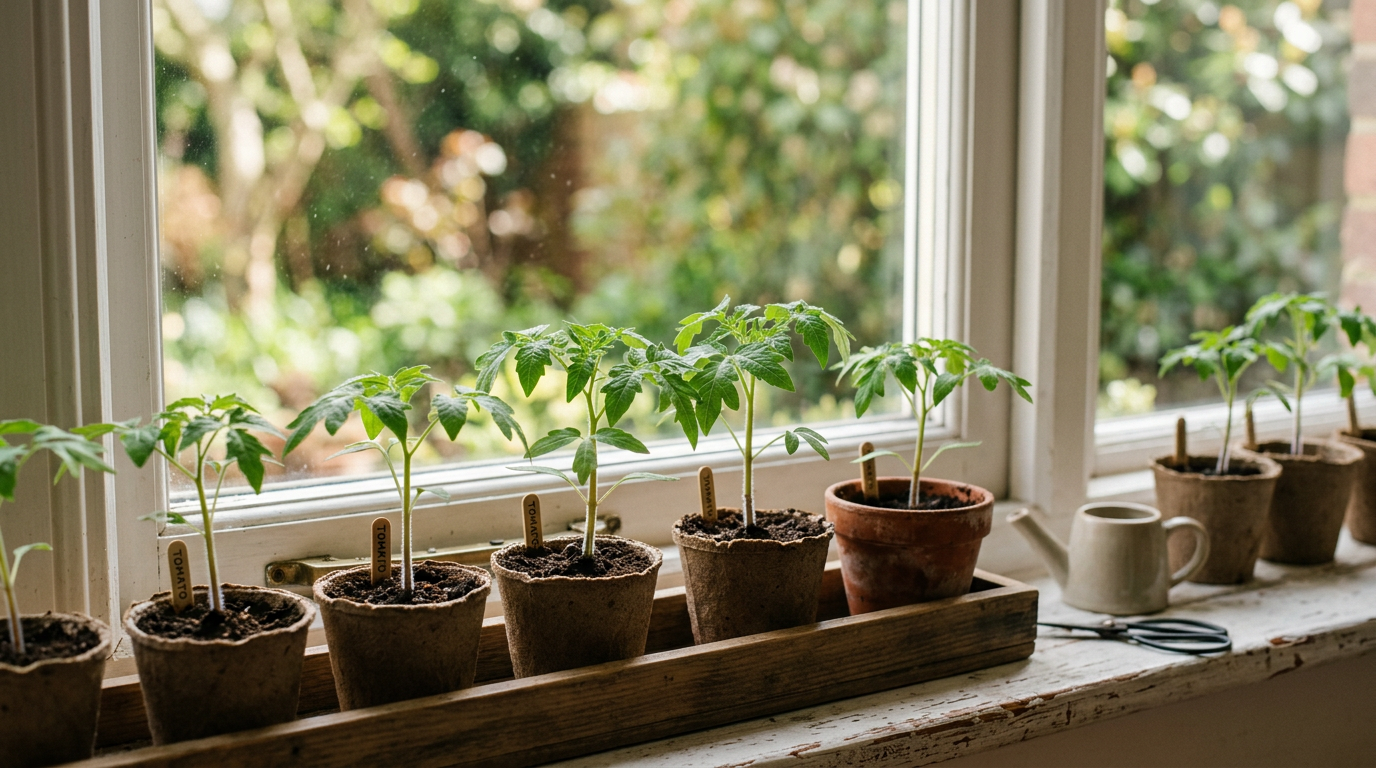
Разбираем сроки посева томатов, подсветку, пикировку и перенос в грунт по шагам для начинающих.
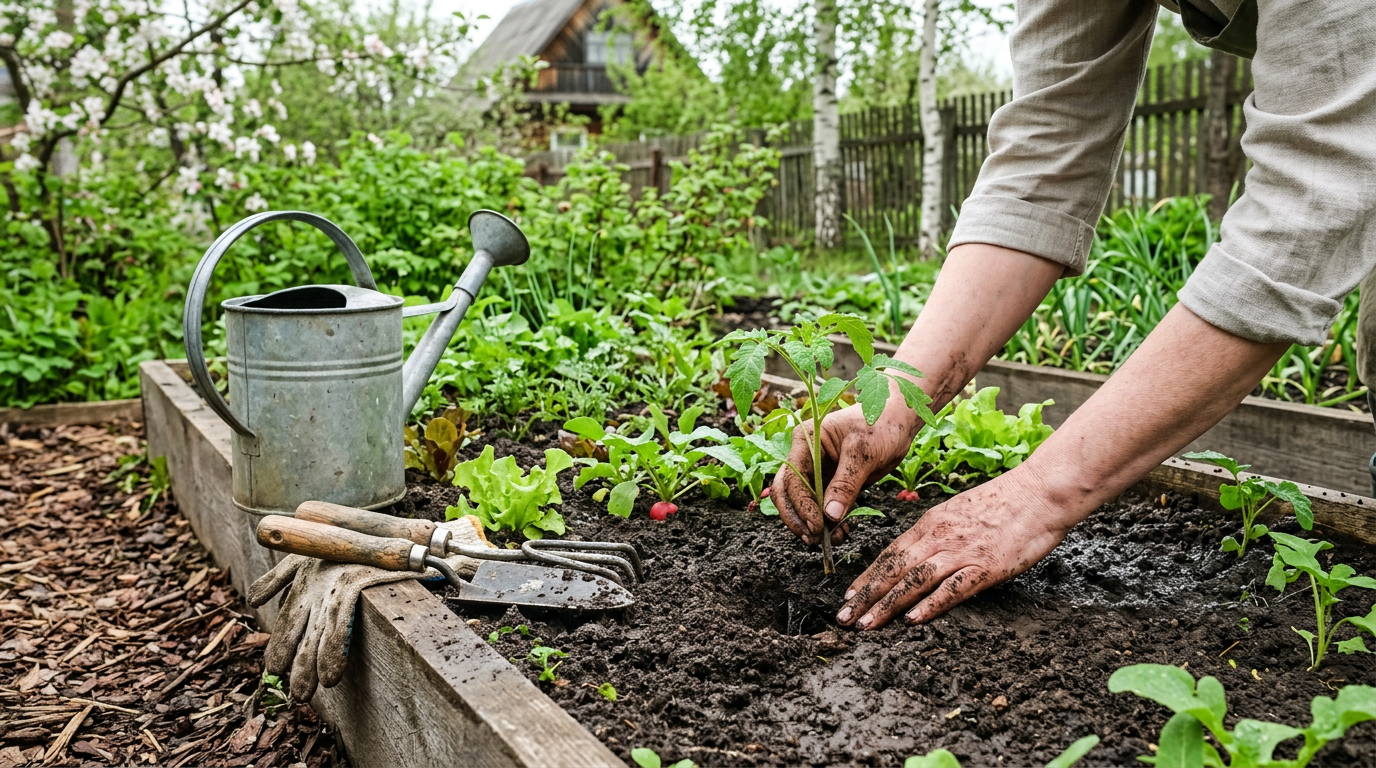
Read →May is the month of planting and rapid growth: we plant seedlings according to the weather, re-sow greens and root crops, monitor watering and the first pests. A good plan for 2-3 weeks in advance saves a lot of energy.
Разбираем сроки посева томатов, подсветку, пикировку и перенос в грунт по шагам для начинающих.
Read →Подборка культур, которые удобно высевать или высаживать в мае, плюс краткий чек-лист по уходу.
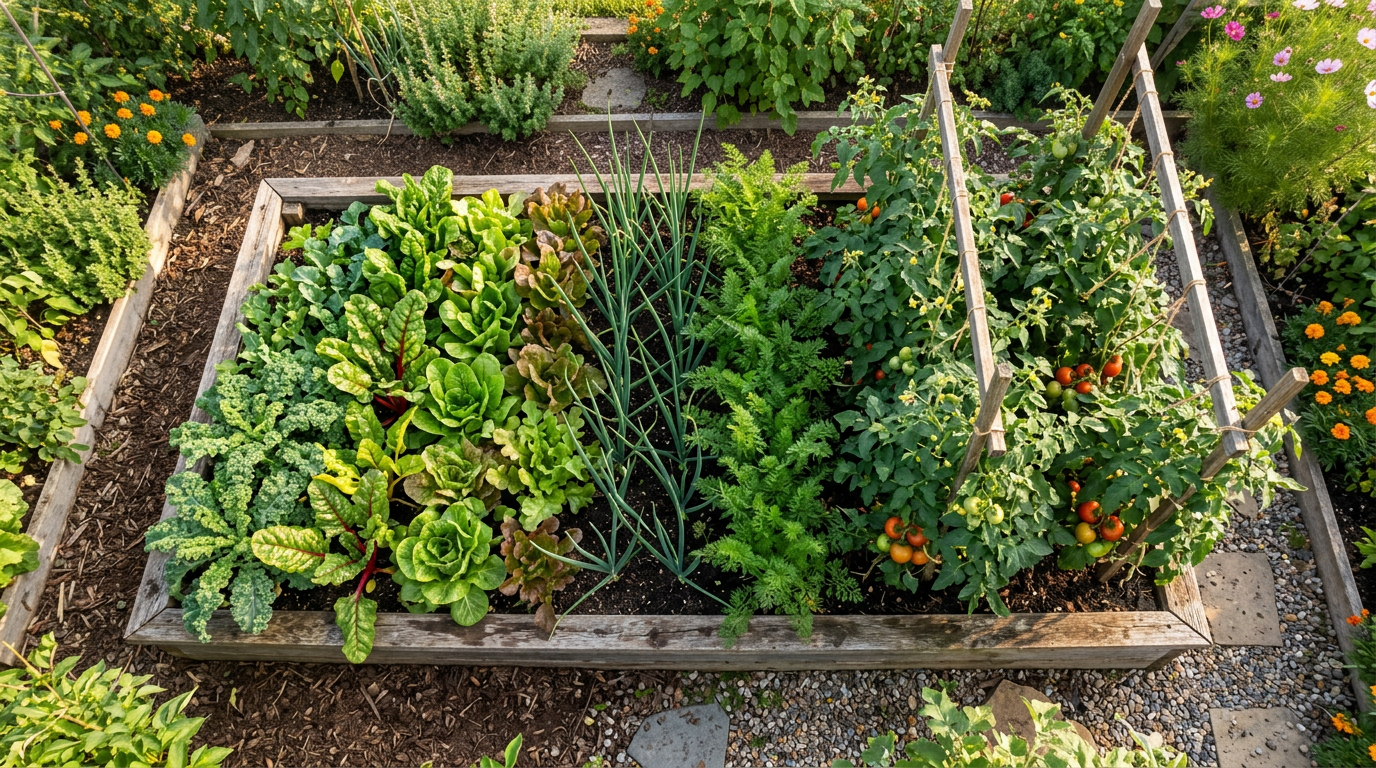
Read →Какие культуры дружат между собой, а какие лучше не сажать рядом, чтобы не терять урожай.
Read →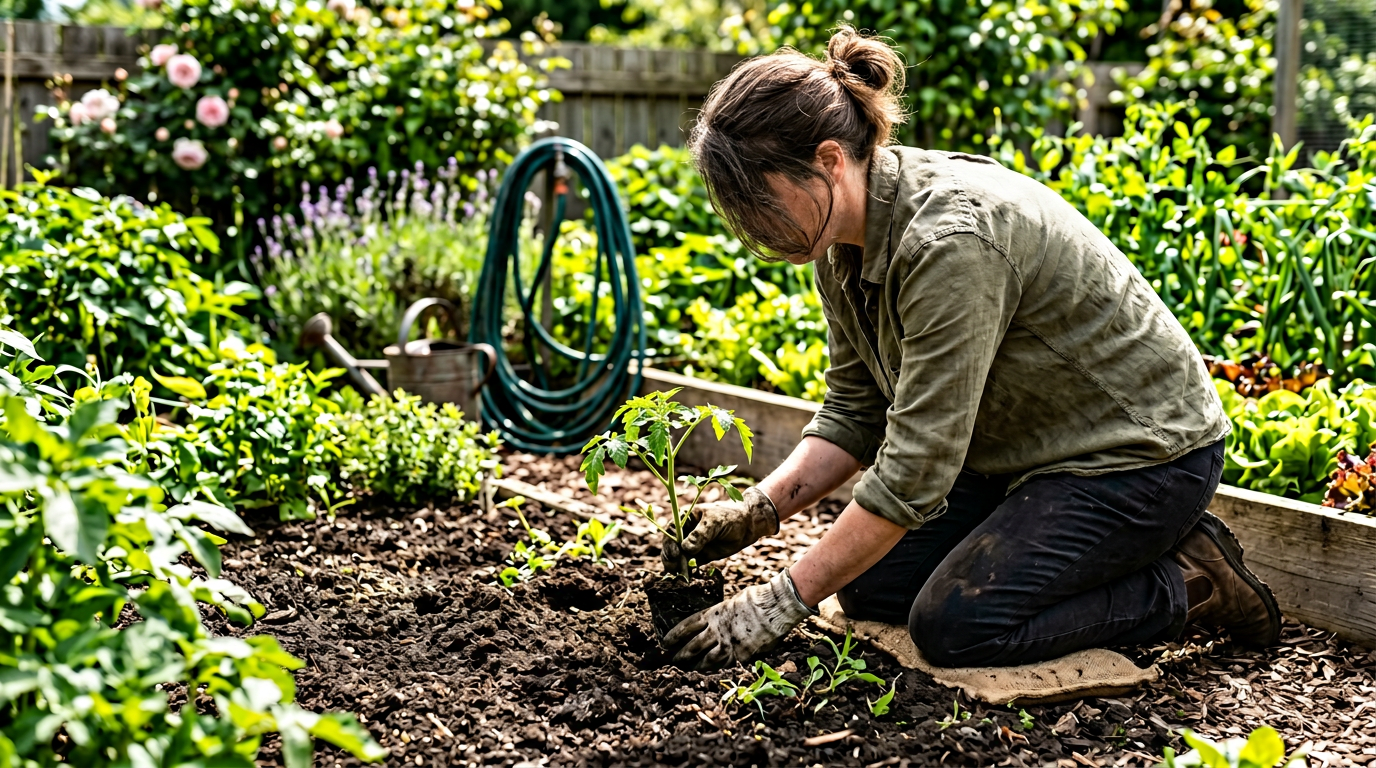
Season
Высаживаем рассаду по погоде, делаем повторные посевы, защищаем от холодных ночей и запускаем полив.
2026-04-23
Read →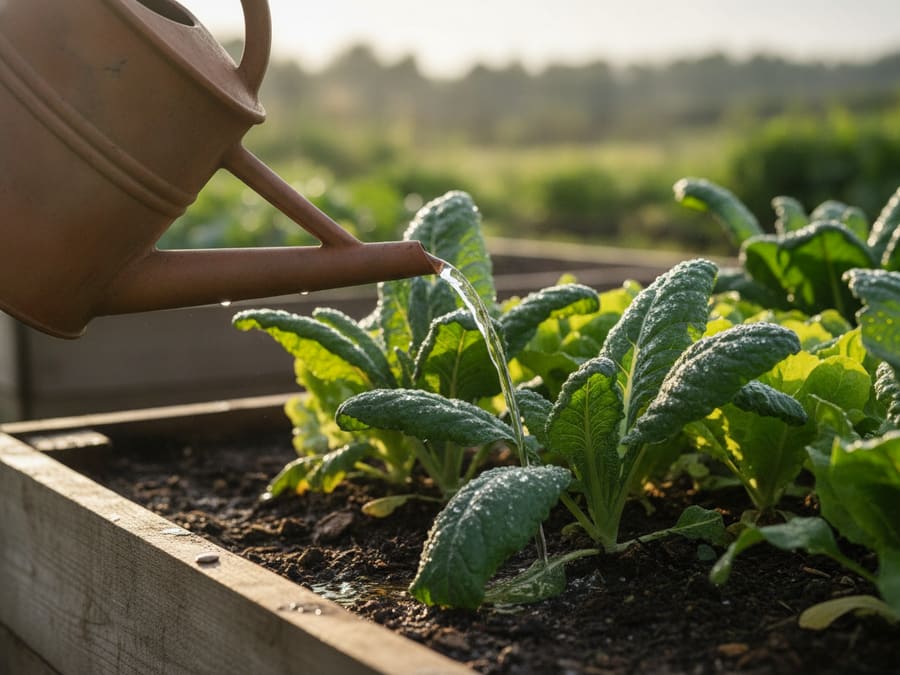
Guides
Watering is one of those tasks where more is definitely not better. Wrong timing and technique lead to disease, shallow root systems, and poor harvests. Here is when, how much, and how to water so your plants get exactly what they need — nothing more, nothing less.
2026-07-09
Read →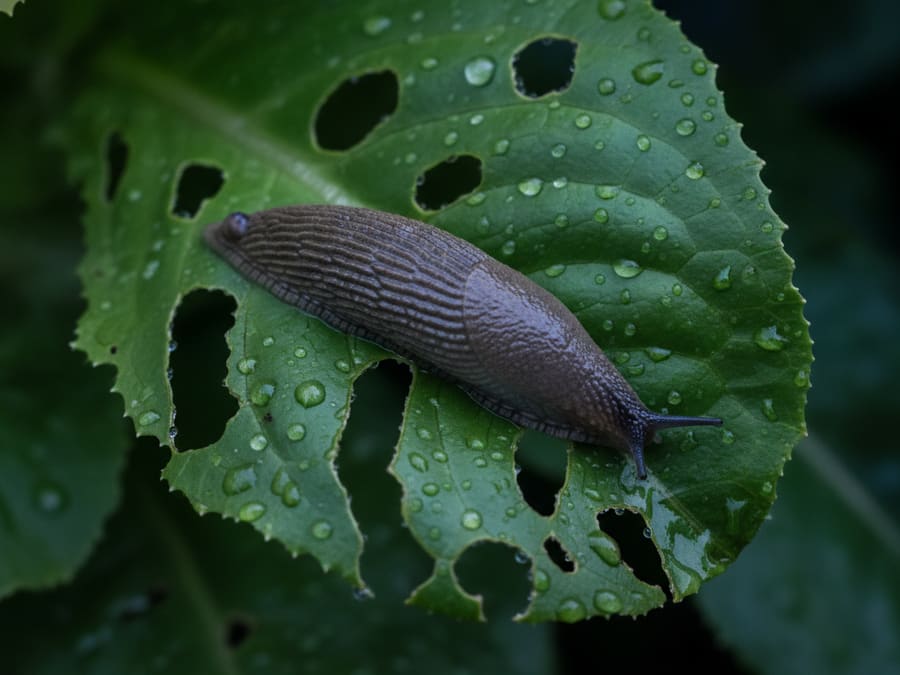
Tips
Found ragged holes in your lettuce, cabbage, or strawberry leaves in the morning with no culprit in sight? They've almost certainly hidden away — slugs and snails do their damage at night or during wet weather. Here's how to trap them, deter them, and protect your harvest without resorting to chemicals.
2026-07-05
Read →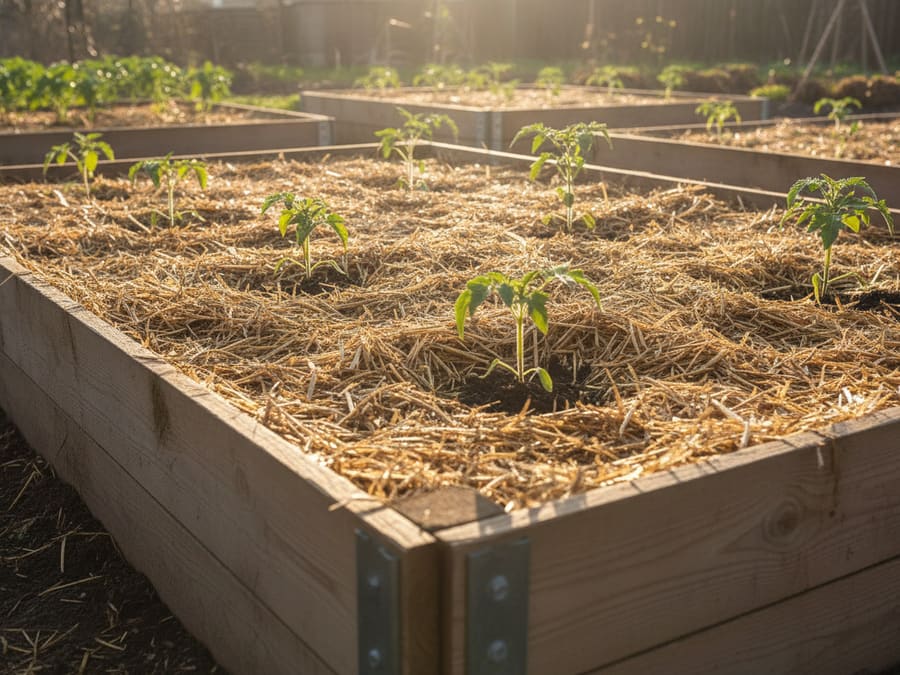
Guides
Mulching is one of the simplest techniques that solves several problems at once: it retains moisture, suppresses weeds, and stabilises soil temperature. Lay down a layer of mulch once in spring and you will noticeably cut back on watering and weeding for the rest of the season.
2026-06-27
Read →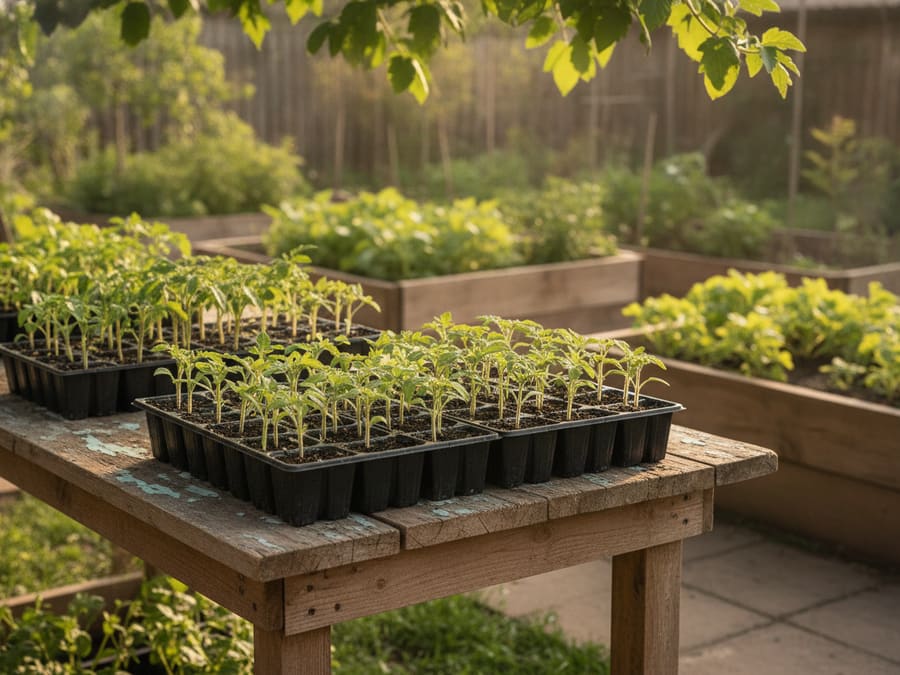
Guides
Seedlings raised indoors live a sheltered life — steady warmth, gentle diffused light, no wind whatsoever. Planting them straight into the garden is a shock that can set them back for a week or more. A 10–14 day hardening-off period gradually acclimates them to outdoor conditions so they hit the ground running after transplant.
2026-06-21
Read →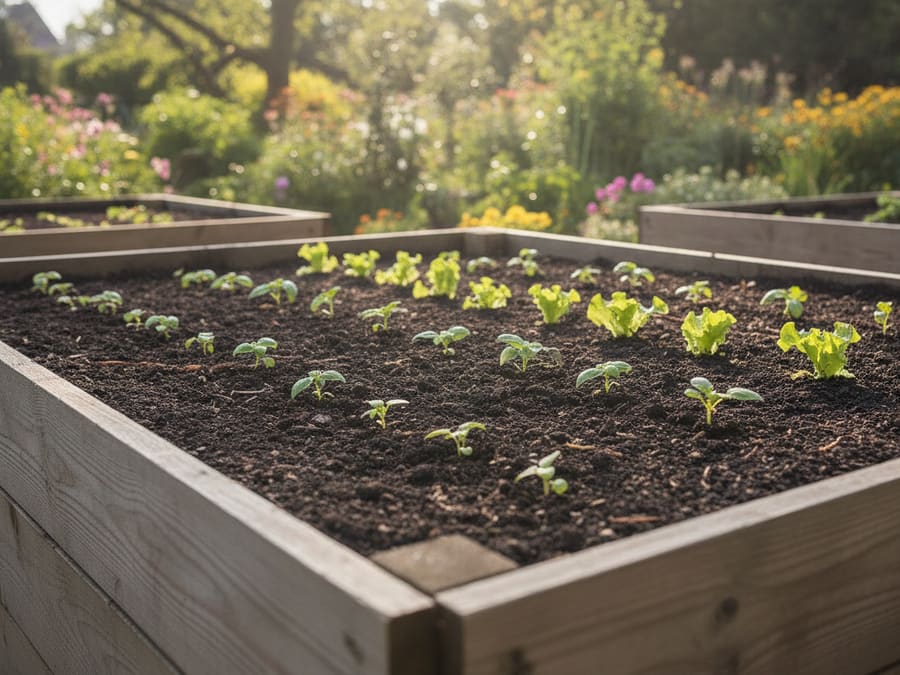
Guides
Starting your first vegetable bed is easier than it looks. The key is choosing the right spot, preparing the soil, and sowing crops that reward you within 3–4 weeks. This guide takes you from bare ground to first harvest without the usual beginner mistakes.
2026-06-17
Read →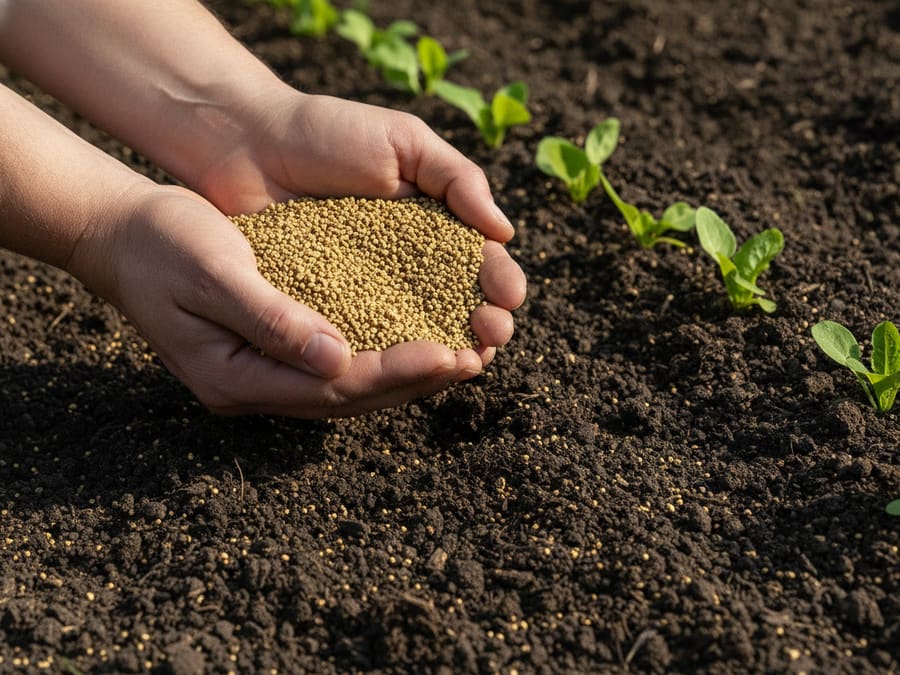
Guides
Plants have different nutritional needs at different stages of growth: in spring they need nitrogen to build leafy mass, while during fruiting they demand phosphorus and potassium. Understanding the logic of seasonal feeding means better harvests with less guesswork and no risk of overfeeding your beds. Here is a practical schedule, the warning signs to watch for, and a clear comparison of organic versus mineral fertilizers.
2026-06-15
Read →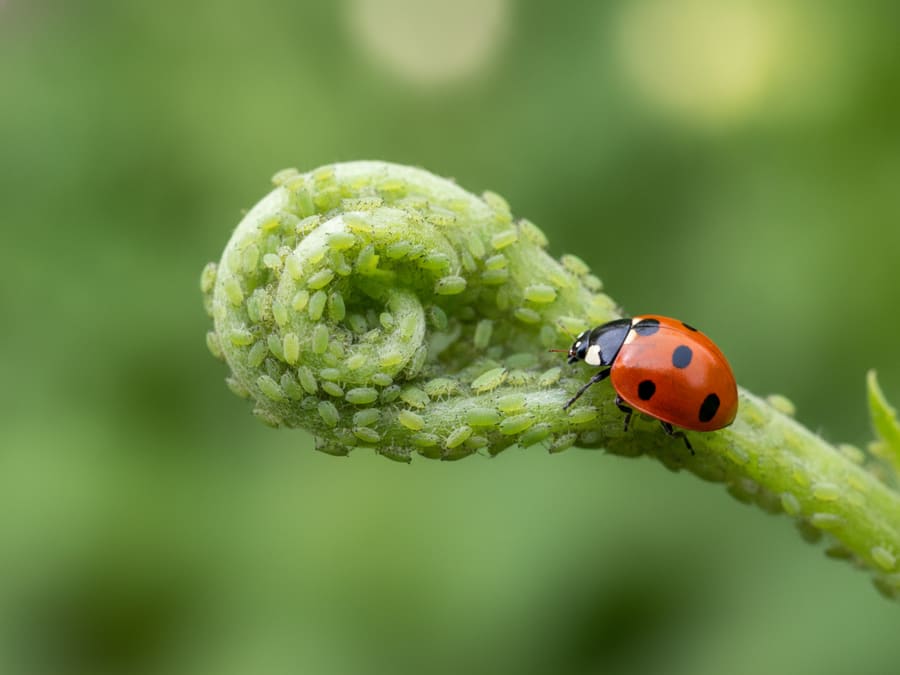
Tips
Aphids are among the most common garden pests: tiny insects that form dense colonies on shoot tips and leaf undersides, draining plant sap and leaving behind a sticky residue called honeydew. If you spot curled leaves, a glistening coating on foliage, or a purposeful line of ants heading for a plant — it is time to act. The earlier you step in, the easier it is to solve the problem without reaching for chemicals.
2026-06-05
Read →