Season2 min
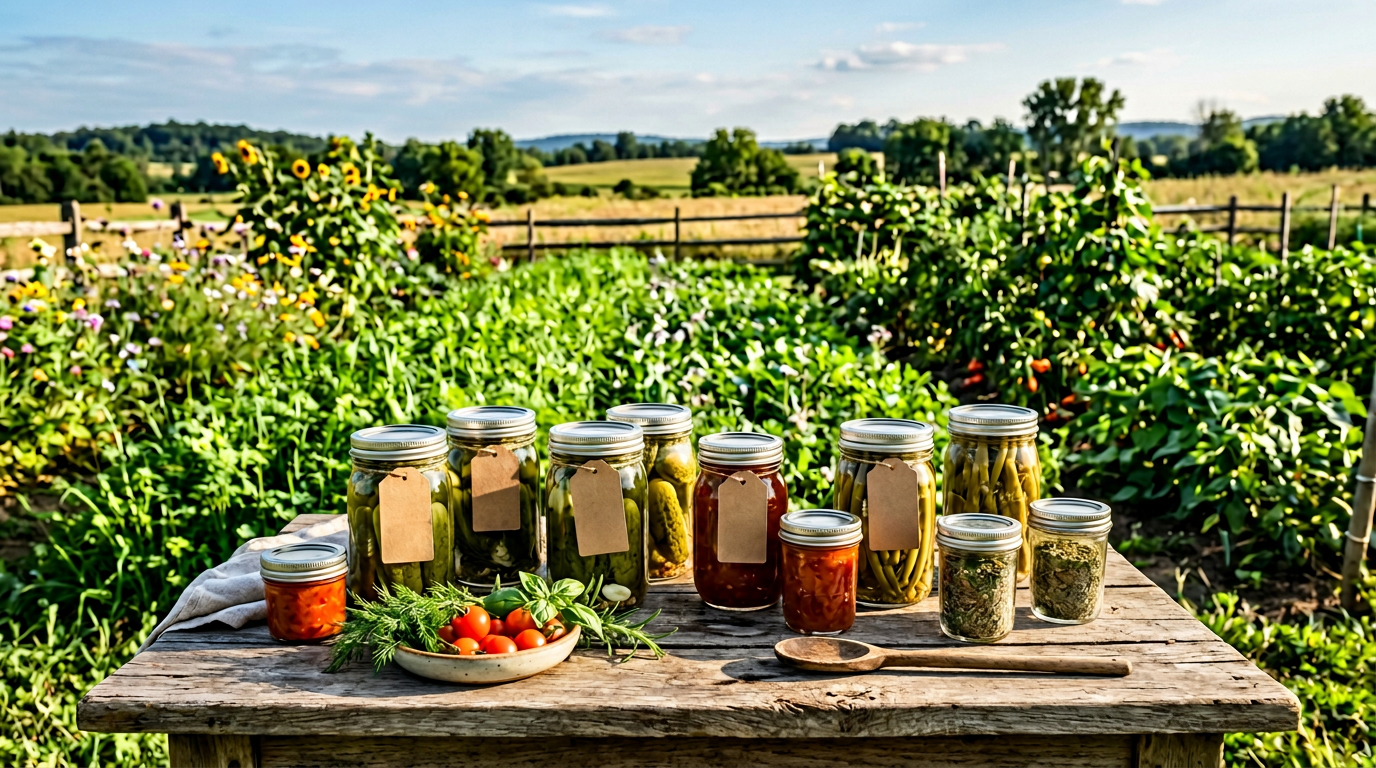
Что сделать в августе: заготовки и подготовка грядок
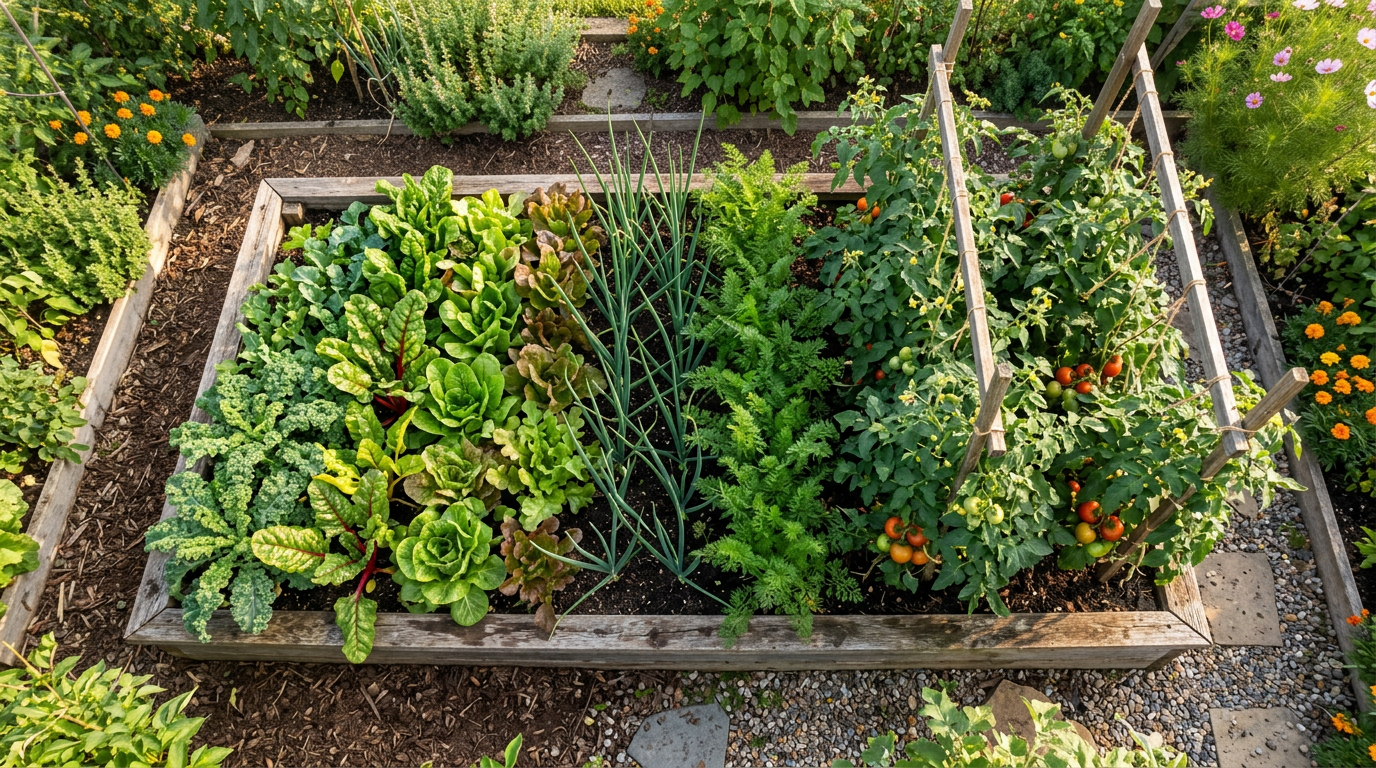
Собираем урожай, сеем сидераты, готовим грядки под осенние посевы и чеснок.
Read →A selection of gardening tasks for this month. Save the articles to your bookmarks - we will update the list as new materials are released.
Собираем урожай, сеем сидераты, готовим грядки под осенние посевы и чеснок.
Read →Какие культуры дружат между собой, а какие лучше не сажать рядом, чтобы не терять урожай.
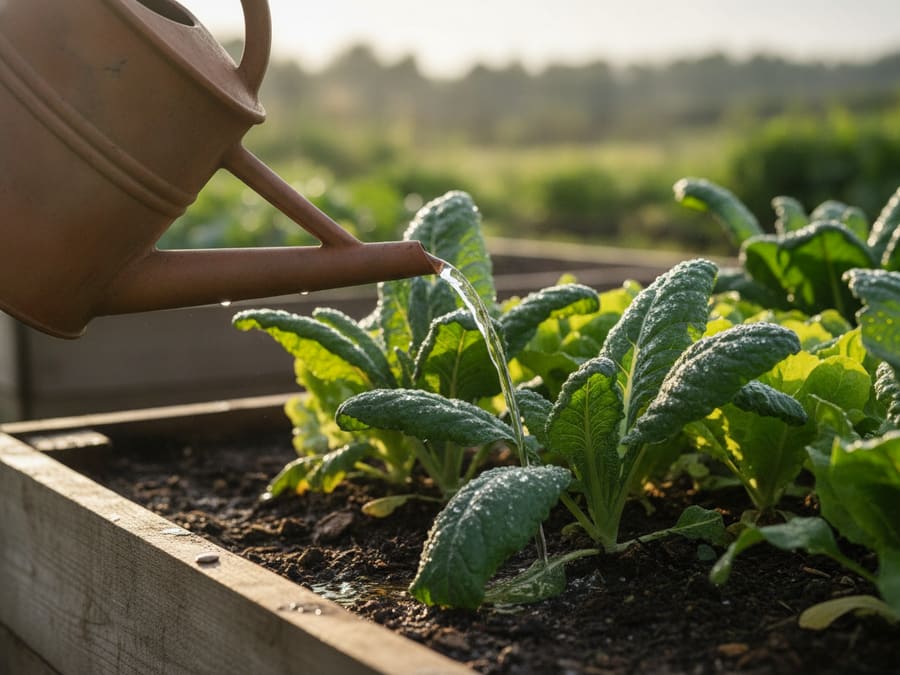
Read →Watering is one of those tasks where more is definitely not better. Wrong timing and technique lead to disease, shallow root systems, and poor harvests. Here is when, how much, and how to water so your plants get exactly what they need — nothing more, nothing less.
Read →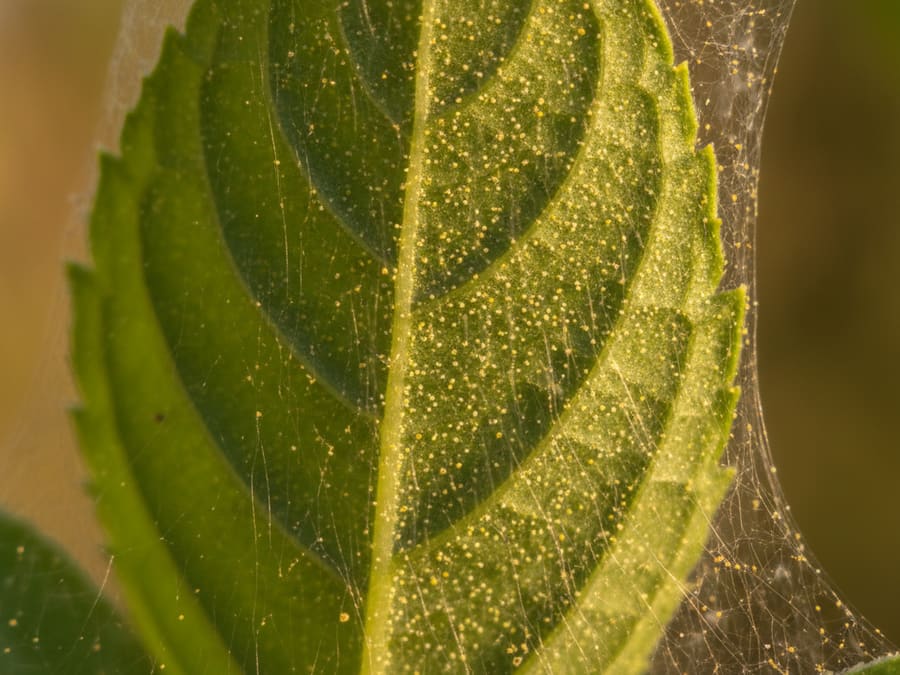
Tips
Pale speckles on cucumber leaves and a barely visible silvery webbing in the leaf axils — these are the telltale signs of spider mites. This 0.3–0.5 mm pest thrives in heat and dry air, making greenhouses and indoor windowsills especially vulnerable during July and August. The earlier you catch it, the easier it is to deal with.
2026-07-07
Read →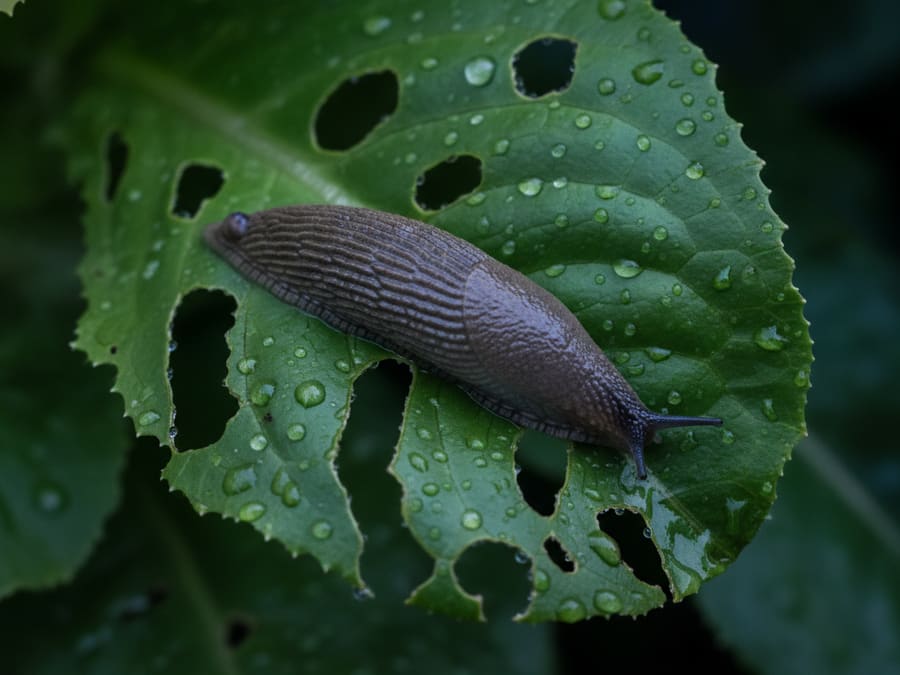
Tips
Found ragged holes in your lettuce, cabbage, or strawberry leaves in the morning with no culprit in sight? They've almost certainly hidden away — slugs and snails do their damage at night or during wet weather. Here's how to trap them, deter them, and protect your harvest without resorting to chemicals.
2026-07-05
Read →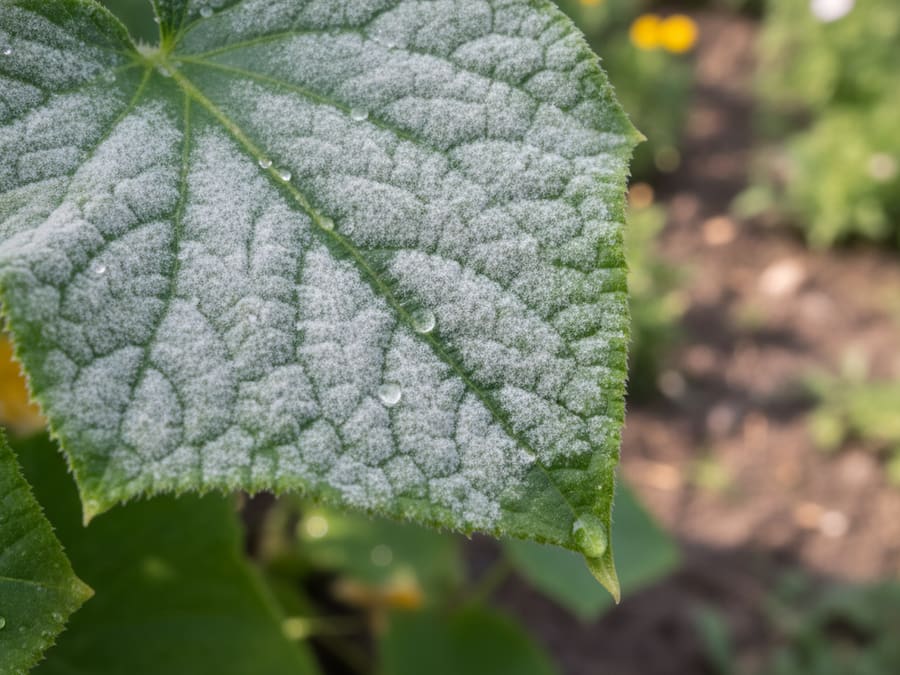
Tips
A white powdery coating on cucumber, zucchini, or rose leaves is the unmistakable first sign of powdery mildew, one of the most common fungal diseases in the garden. The fungus overwinters in plant debris and soil, then spreads to leaves whenever conditions turn in its favour. Learn when and why it strikes, and a few simple techniques will let you stop it before it sweeps across the entire plant.
2026-07-03
Read →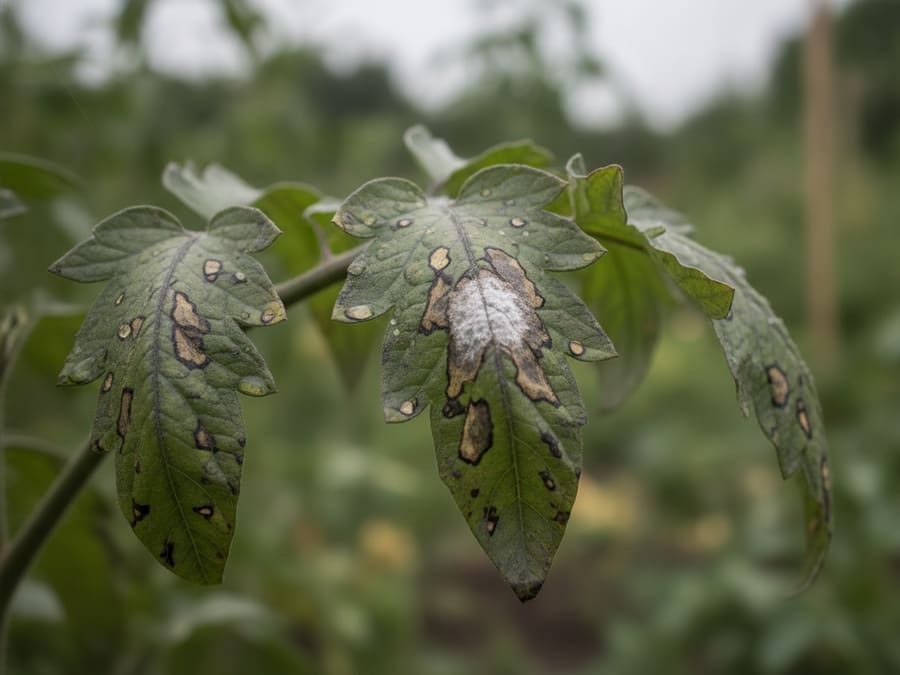
Tips
Late blight is the most destructive fungal disease in the kitchen garden: within just a few days it can wipe out an entire tomato plant or a whole bed of potato tops. Spotting it early is straightforward — stopping it in its tracks demands speed and a clear plan.
2026-06-23
Read →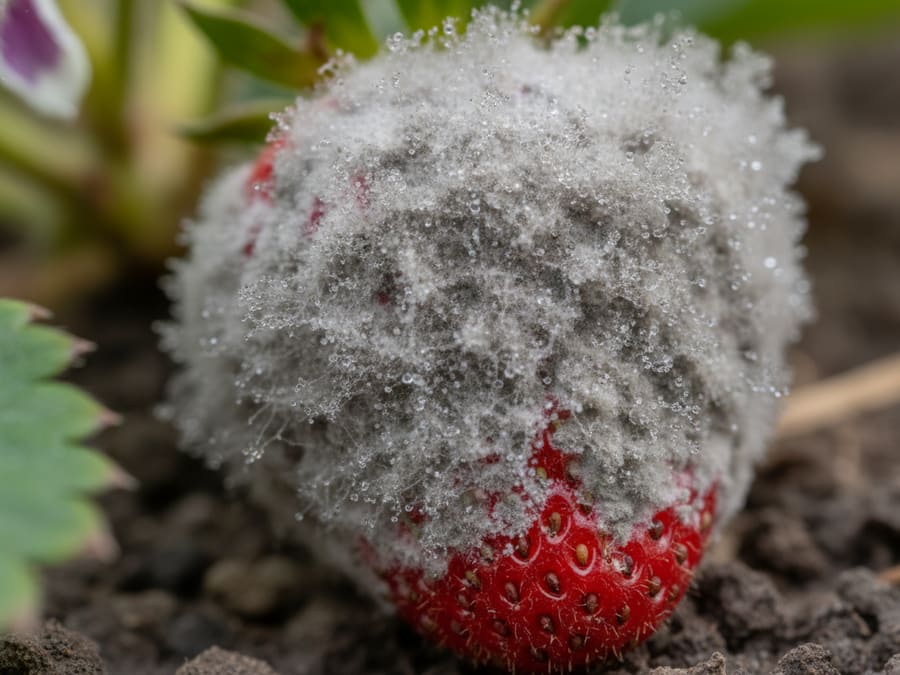
Tips
Grey mould is one of the most treacherous diseases in the garden and greenhouse: yesterday your berries looked perfect, and today they're smothered in a distinctive ash-grey fuzz. The culprit is the fungus Botrytis cinerea, whose spores overwinter in soil and plant debris all year long. Let's look at why it flares up and how to stop it spreading before it ruins your harvest.
2026-06-19
Read →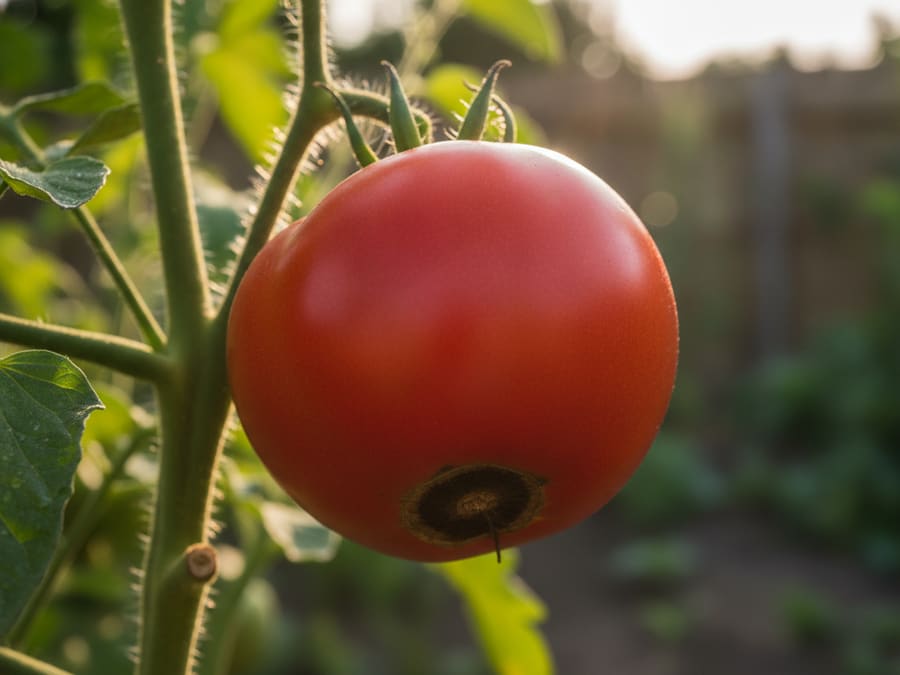
Tips
A dark, sunken, leathery patch on the bottom of a fruit is one of the most disheartening sights in a kitchen garden — the tomato looked fine, and then it wasn't. The good news: this is not an infectious disease and cannot spread from plant to plant; it is a physiological disorder caused by calcium deficiency in the fruit tissue. The root cause is almost always the same — irregular watering — and it is entirely fixable.
2026-06-09
Read →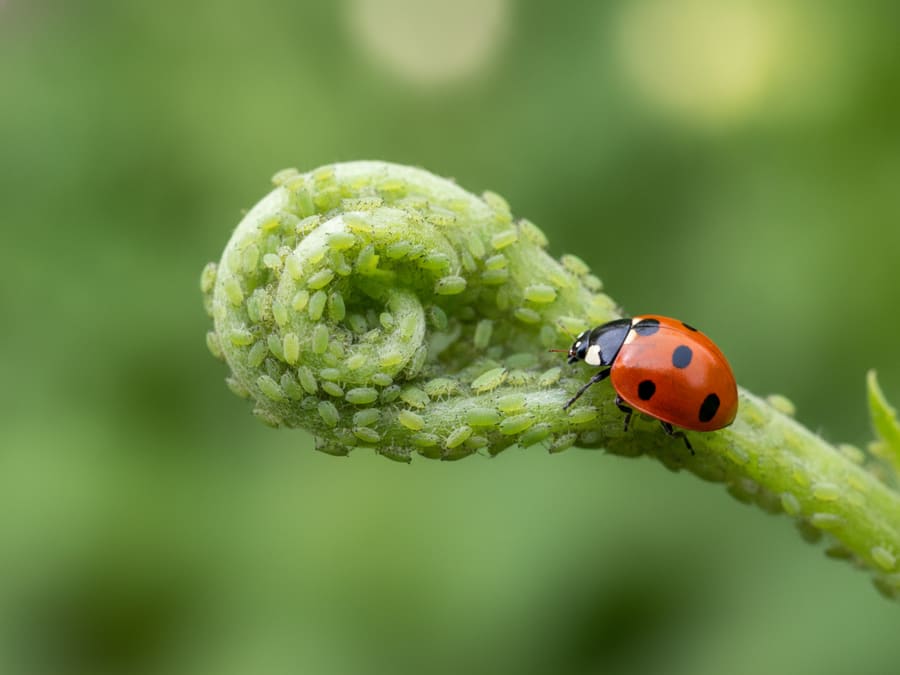
Tips
Aphids are among the most common garden pests: tiny insects that form dense colonies on shoot tips and leaf undersides, draining plant sap and leaving behind a sticky residue called honeydew. If you spot curled leaves, a glistening coating on foliage, or a purposeful line of ants heading for a plant — it is time to act. The earlier you step in, the easier it is to solve the problem without reaching for chemicals.
2026-06-05
Read →